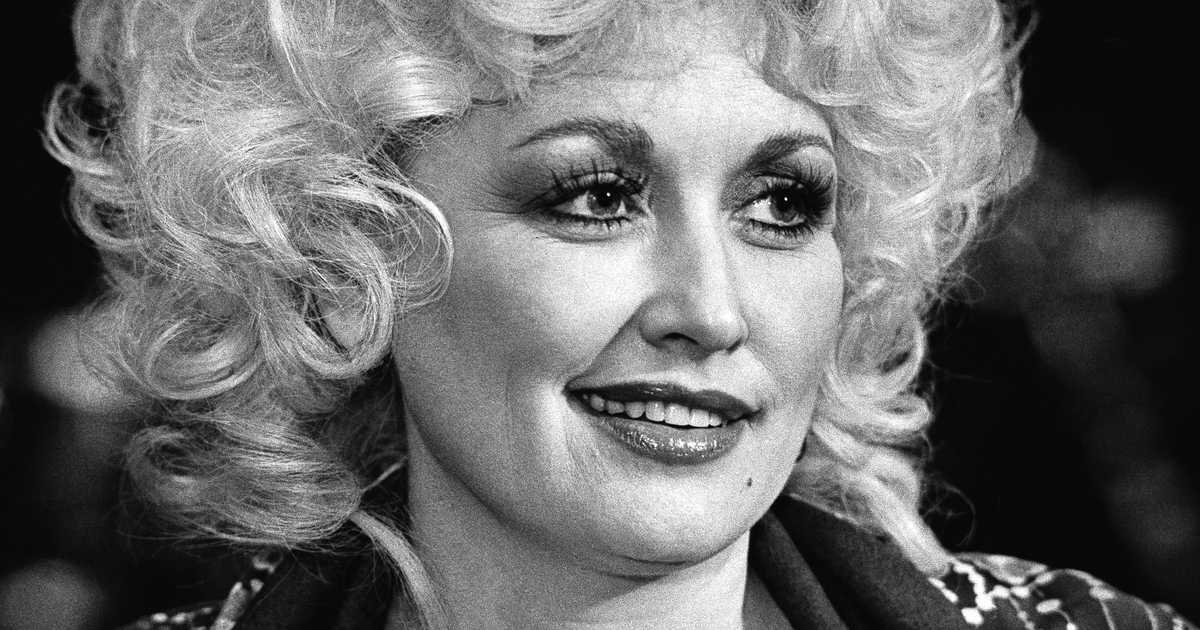
The piece calls out the Washington Post for a pattern of bias and sloppy reporting, contrasts Dolly Parton’s genuine, nonpolitical charity with the paper’s agenda-driven “advocacy,” and points to Parton’s personal struggles and later philanthropic work as proof that caring for children does not require political grandstanding.
The media have become a partisan force, and the Washington Post is an obvious example. Rehiring a left-leaning columnist who previously misquoted a conservative voice is not an isolated mistake; it signals an institutional mindset that tolerates, even rewards, ideological shortcuts. That pattern matters because readers expect facts, not narratives tailored to a political agenda.
This column critiques a recent Post essay that suggested Dolly Parton’s public affection for children is interchangeable with modern activist parenting. The Post argued that being childless does not preclude someone from advocating for kids, and used Parton as a case study. That point is fine in the abstract, but the paper paired it with misplaced moral equivalence and sloppy context about Parton’s life.
Dolly Parton’s biography is more complicated than the column allowed. She and her husband initially planned to have children, and Parton later suffered severe endometriosis that led to a hysterectomy at 38 and a period of depression. Those are facts about her life, not talking points, and they change how you read any argument about choice and motherhood.
Parton turned her personal outcomes into sustained, hands-on philanthropy focused on literacy and pediatric health, including the Imagination Library. That work did not come with lectures about how other people must parent, nor did it arrive hand in glove with political schemes to override parental rights. Her charity was practical and popular, not performative and political.
https://x.com/washingtonpost/status/2092613180606255589
In the early years of her 58-year marriage to Carl Thomas Dean, Parton has said, she tried unsuccessfully to get pregnant. But in 1978, when she was 32, Parton spoke plainly to the BBC about having decided, along with Dean, not to have children. “We don’t want children of our own,” she said, noting that five of her siblings had previously lived with her. “We don’t want the total responsibility. Because we both know what it’s like to know that joy of raising children, but [Carl] is free and independent. He’s as independent as I am in his way.”
At the same time, Parton made a name for herself as a dedicated, hands-on philanthropist for children’s causes, including literacy and pediatric health.
To me, Parton’s lack of children demonstrated that the world could in fact love a woman who wasn’t a mother. But more importantly, she was proof that a person could be an advocate and friend for children while personally choosing against parenting. She was a reassurance that voluntary childlessness doesn’t reflect inherent selfishness, and that parenting is far from the only way to invest in the kids who are all of our future.
The difference the author here misses is behavior. Parton didn’t teach strangers how to raise their children or lobby to strip parents of rights. She didn’t use philanthropy as a megaphone for policy fights. Her influence was cultural and charitable, not coercive. That contrast matters to anyone who believes in parental authority.
The Washington Post, by contrast, frequently frames advocacy in ways that bleed into policy prescriptions. Too often its pieces pivot from sentimental claims to political pressure, supporting measures the Left favors while treating dissenting parents as the problem. That is not neutral reporting; it is advocacy masquerading as journalism.
Calling Parton a model for certain kinds of advocacy is fine, but pretending the Post does the same kind of good without the political baggage is disingenuous. Parton’s work focused on literacy, education, and giving kids tools to succeed, not on forcing ideological conformity or mandating medical interventions. That distinction is not trivial.
Readers should be skeptical when a big paper equates charity with political activism and then applies that standard unevenly. Real charity builds capacity and protects parental choice. Real journalism reports context and avoids cheerleading for one side. When outlets fail at that, they deserve to be called out.
The Post’s recent choices—rehiring controversial writers and publishing columns that blur compassion with ideology—show a newsroom that confuses influence with responsibility. If the paper wants the trust of parents and nonpartisan readers, it should start by reporting facts clearly and separating heartfelt philanthropy from political agendas.