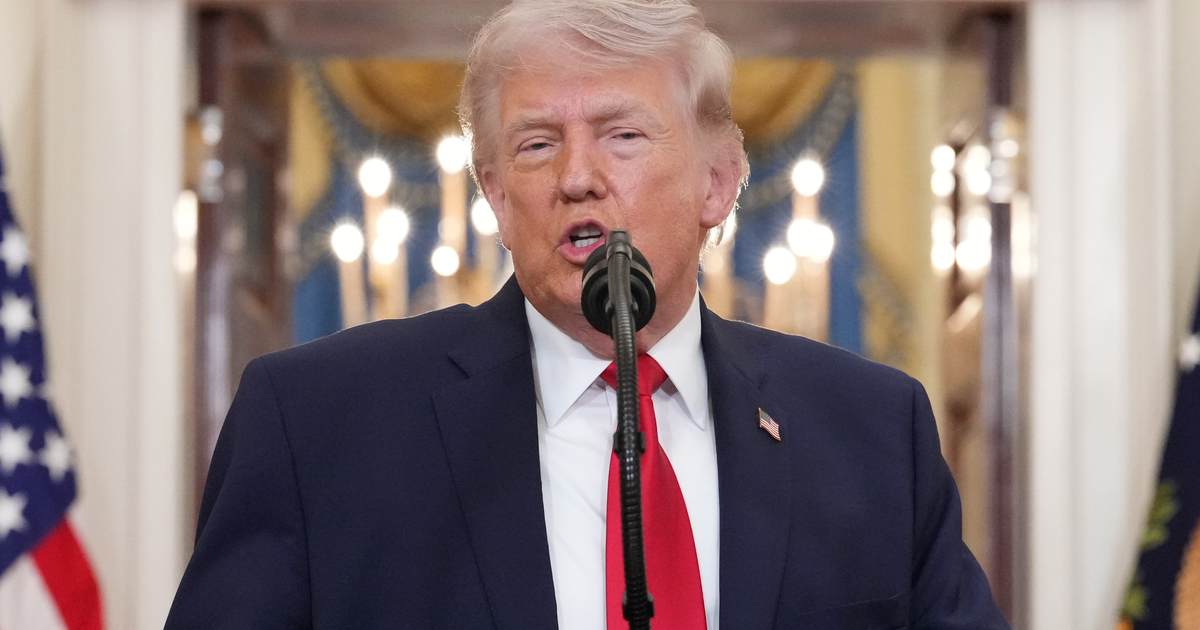
President Trump says he stopped a major strike on Iran to give negotiators one last opening, warning that the planned operation would have been devastating to Iran’s energy network and could have left little behind. He made these remarks in the Oval Office on August 03, 2026, after signing an executive order establishing the President’s Military Spouse Commission. The administration frames the pause as a strategic choice to protect lives while keeping maximum pressure on Iran.
President Trump told reporters that “this is [the] last chance for Iran to sign a good document” after halting the large-scale attack over the weekend. He said he wanted to exhaust diplomatic options before resorting to overwhelming force, and he emphasized giving potential dealmakers time to act. The pause came amid claims that Iran’s recent actions reopened a broader confrontation.
The president also said he wished “to give them every last chance before decapitation,” a line he used to underline the seriousness of the threat he ordered and then stood down from. That language framed the decision as deliberate and conditional, not accidental. Trump made the comments while explaining his preference for exhausting alternatives to full-scale strikes.
Reports indicate the planned operation would target Iran’s energy infrastructure and strike hard at its ability to sustain prolonged conflict. Axios reported that the planned action was going to hit energy in the Islamic Republic hard. The administration argued that crippling those networks would limit Iran’s capacity to press regional aggression, but also warned of the wider fallout such a campaign would cause.
Trump stressed the scale and complexity of what had been planned: “It’s very tough to do what we have planned […] To do an attack that big on a country, I’d rather not do it,” he said, conveying the operational and political weight of the option. He added, “Now we’ve already threw lots of large attacks — but they were normal large, hopefully they’ll come to their senses,” reflecting a belief that calibrated pressure has already produced results. His language made clear the administration judged the risks high even as it prepared to act.
The earlier, fragile ceasefire was effectively undone when Iran began striking ships in the Strait of Hormuz, a direct challenge to freedom of navigation and global energy flows. Trump recounted calls from Iranian interlocutors pleading to avoid an attack: “They called me and they said, ‘Please don’t attack, we’ll make a deal.’ That’s the real truth and everyone knows it, and who wouldn’t call?” He said leaks informed Tehran of the impending action, complicating diplomatic choreography.
https://x.com/RapidResponse47/status/2084346134663729339
On the scale of consequences he painted, the president warned bluntly: “They knew what was coming. It was going to come last night and it would have gone on for a long time and there’d be essentially very little left. There’d be nothing left,” stressing the near-total effect the strike would have had. He framed his restraint as a moral and tactical choice: ‘If I’m given a chance to let a lot of people live. I wanna give that chance. I’m under no time constraint,” he continued, saying the pause was meant to protect innocents while keeping options open.
Trump also criticized Iranian negotiating style and public denials, calling Iranian leaders “unbelievably duplicitous” in describing back-channel talks. He reiterated his belief that the United States is working toward a practical fix: “Whether Iran wants to admit it or not, we are, in fact, talking of a solution to a problem that they have caused, for decades,” he wrote on Truth Social. That post and his public remarks are being used by the White House to stress that diplomacy and threat coexist in the current approach.
Behind the rhetoric, the message to allies and adversaries is clear: the administration prefers to keep catastrophic options on the table while pushing for deals that serve American interests. Officials present the pause not as weakness but as leverage, a moment to force clearer choices from Tehran without immediately triggering a regional escalation. Conversations are expected to continue while the president retains the authority to act if diplomacy fails.