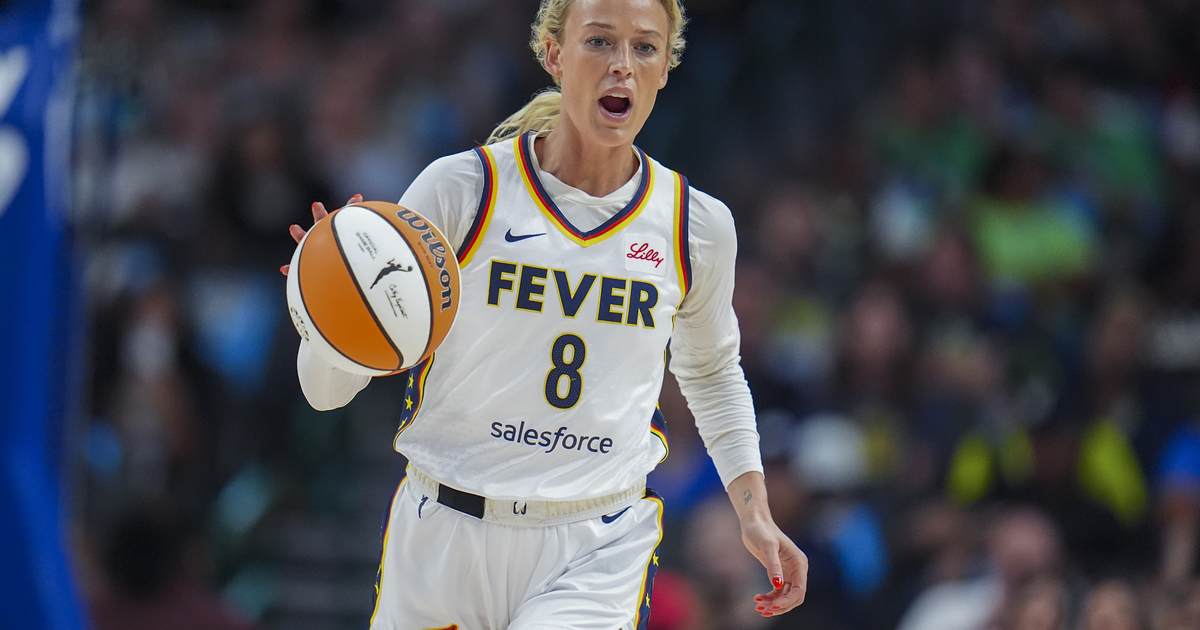
This piece looks at the Sophie Cunningham foul call, the broader politics swirling around the WNBA, how Caitlin Clark has changed the conversation, and why the league keeps turning cultural fights into its headline product.
I don’t follow the WNBA closely, but the recent Sophie Cunningham moment forced attention because it highlights a recurring problem: the league turns competitive play into political theater. Cunningham was shoved and appeared to take an elbow to the jaw in a moment that went viral, yet the officials called the play a foul on her. That call set off another round of complaints about fairness and selective enforcement.
Caitlin Clark is clearly the player who has driven mainstream interest in the WNBA, and conservatives notice that without her the league’s TV numbers and headlines would look a lot different. Many on the left won’t admit Clark’s impact because her mainstream appeal doesn’t fit their identity-first narrative. That tension keeps the conversation away from the product on the floor and focused on who’s favored or punished off it.
There’s a pattern where coaches and executives treat the league as a platform for causes, not primarily as a competitive sports league. That’s a choice, but it comes with costs: when every game is a stage for activism, ordinary fans get pushed to the margins. Fans who show up just to watch basketball end up watching talking points and cultural battles instead of clean, fair competition.
Sophie Cunningham’s comments about men competing in women’s sports triggered backlash, and that backlash bled into how officials, teams, and media responded to the on-court incident. She was pointing, took contact, and was penalized — and people saw the call as another example of a league policing speech with inconsistent standards. To many observers, that inconsistency looks less like rule enforcement and more like ideological enforcement.
https://x.com/GrageDustin/status/2084101417032093739
The Indiana Fever lost 100-108 to the Minnesota Lynx in a game that didn’t need the extra drama to be memorable, but the politics made it messy. Fans of all stripes come to arenas to cheer for their team, not to keep score of who’s on the right side of every cultural argument. Yet because the league often chooses to amplify progressive causes, it invites political reactions and divides its audience.
This is not about denying anyone’s rights; it’s about preserving fair competition and clear rules. When a league makes identity and advocacy central to its brand, it risks alienating people who want simple, honest sports coverage. The result is predictable: fewer neutral fans, more tribal commentary, and a product that struggles to grow beyond its political bubble.
Officials and league leaders have options: focus on consistent officiating, let the basketball drive the headlines, and stop leaning on cultural fights to generate interest. Until that happens, incidents like the Cunningham foul will keep getting amplified not because they were game-changing plays but because they fit the narrative the league keeps promoting. That hurts players who just want to play and fans who just want to watch.
There’s also the practical fallout: media cycles latch onto the drama, social feeds explode, and sponsors start calculating whether the spectacle aligns with their customers. That’s where the league’s choices have a direct financial impact. Sustained attention for the wrong reasons can erode goodwill faster than any on-court loss.
Fans should expect two things from professional sports: consistent rule enforcement and a product that prioritizes competition over messaging. The WNBA can be exciting and meaningful without serving as a nonstop culture war platform. If leaders refuse to choose that path, we’ll keep seeing fouls called in headlines and games turned into battlegrounds that have nothing to do with the ball.
What an absolute clown show league.