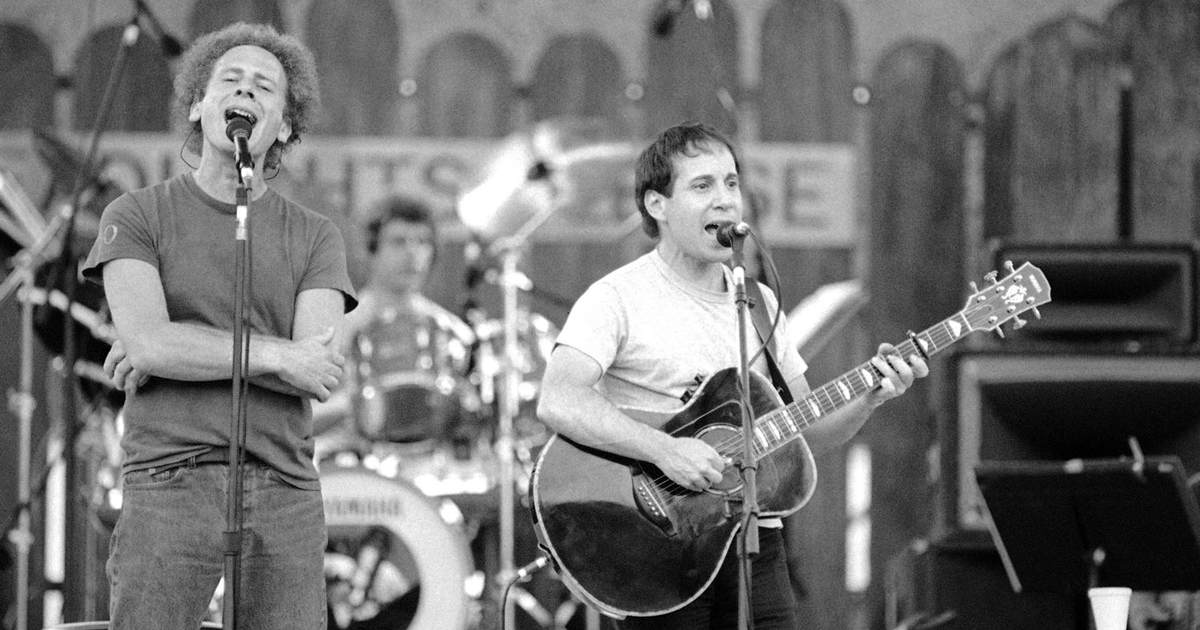
Art Garfunkel says he’s considering leaving the United States over President Trump, and the reactions are a mix of surprise, eye-rolling, and political theatrics.
Art Garfunkel being alive surprised more people than his political musings did, and that reaction tells you something about celebrity culture. The former half of Simon & Garfunkel has been mostly out of the spotlight for years, but a recent interview put his name back in headlines for the wrong reasons. He says he’s thinking about leaving the country because of President Trump, and the backlash and mockery followed fast.
The line between a personal opinion and performative politics is thin for many entertainers, and Garfunkel’s comments landed on that line. He mentioned climate worry and global instability, which are real concerns, but then added a charged claim about Trump that broke into obvious hyperbole. From a conservative perspective, this reads as another example of coastal elites airing grievances while ignoring how elections work and how roughly half the country voted.
There’s also the age factor. At 84, Garfunkel is an elder statesman of music, not a daily news influencer, and yet his decision to speak out carries the weight of celebrity rather than civic expertise. People notice when famous older folks declare they’ll “flee” the country after an election loss. It’s dramatic theater more than a concrete plan, and that’s why many Americans respond with sarcasm instead of sympathy.
https://x.com/BreitbartNews/status/2097401926757277816
Public figures announcing plans to leave because they don’t like an election outcome sets a strange precedent. Departures like that rarely happen in numbers when administrations change, and it’s fair to call the reaction performative. Celebrities piling on each other for a viral moment does nothing to solve policy disputes or improve governance. Conservatives see this as evidence that many cultural elites are out of touch with day-to-day America.
Here’s more:
Garfunkel went on to admit that he has been thinking seriously about fleeing the United States.
“I’m not aboard, and I’m thinking of leaving the country, frankly,” the “The Sound of Silence” singer said. “It’s real that the planet is getting warmer, that the water’s rising, that so many people are starving.”
“When Donald Trump took over Venezuela, are those the new rules? Just take over a country and run it?” Garfunkel added. “It’s shocking, and you think: how on earth are we gonna change the presidency?”
The 84-year-old singer went on to declare, “But Trump won’t last forever. So we’ve got to hope.”
Those quotes are a mix of grasping at global issues and inserting a false premise that’s easy to push back on. The claim “When Donald Trump took over Venezuela” is simply untrue and reeks of sloppy rhetoric. Conservatives are right to point out that political argument needs facts, not dramatic leaps from climate concerns to fictional foreign takeovers.
Comment threads reacted the way they usually do: snark, disbelief, and jokes at the expense of a once-famous singer. That response isn’t purely mean-spirited; it’s a defense against constant celebrity scolding. Americans hear demands from entertainers to change policy or rebuild the political system and they shrug, especially when these figures didn’t show similar urgency for other administrations.
There’s genuine fatigue on the right with repeated threats to expatriate that never materialize and with constant moralizing from Hollywood. Saying you’ll leave the country is easy. Actually doing it would be a different story, and most of these declarations are just signaling. Many conservatives view them as out-of-touch virtue displays that ignore why large swaths of the country voted the way they did.
Plenty of people suggested extreme responses in jest, like renouncing citizenship en masse to match the melodrama. That’s not serious, but it underscores how tone-deaf some celebrity remarks feel to regular voters. The disconnect between cultural elites and the average American keeps growing anytime a famous figure treats politics as a private tantrum instead of civic engagement.
No one is stopping artists from speaking their minds, and Garfunkel has every right to be heard. But conservatives will keep pushing back when public comments are built on faulty claims or theatrics. Political debate should be rooted in facts and realistic solutions, not celebrity exit proclamations.
If Garfunkel really wants to move, that’s his choice; packing up America’s cultural past won’t fix political divisions. The practical steps to change policy happen at the ballot box and in civic institutions, not in celebrity wish lists. Republicans generally want debates to focus on policy outcomes and constitutional processes, not performative stunts.
For many voters, the bigger story is how out of sync elite culture remains with ordinary life and the priorities of working Americans. Critics on the right will keep calling that out when celebrity commentary drifts into broad, unsupported claims. It’s fair to demand better evidence and less spectacle from the people who still command public attention.
And for anyone who genuinely cares about the country, the sensible response is to engage in the civic process rather than threaten to leave when an election doesn’t go their way. That’s the practical, conservative view: stay, argue, vote, and work within the system to make change happen.