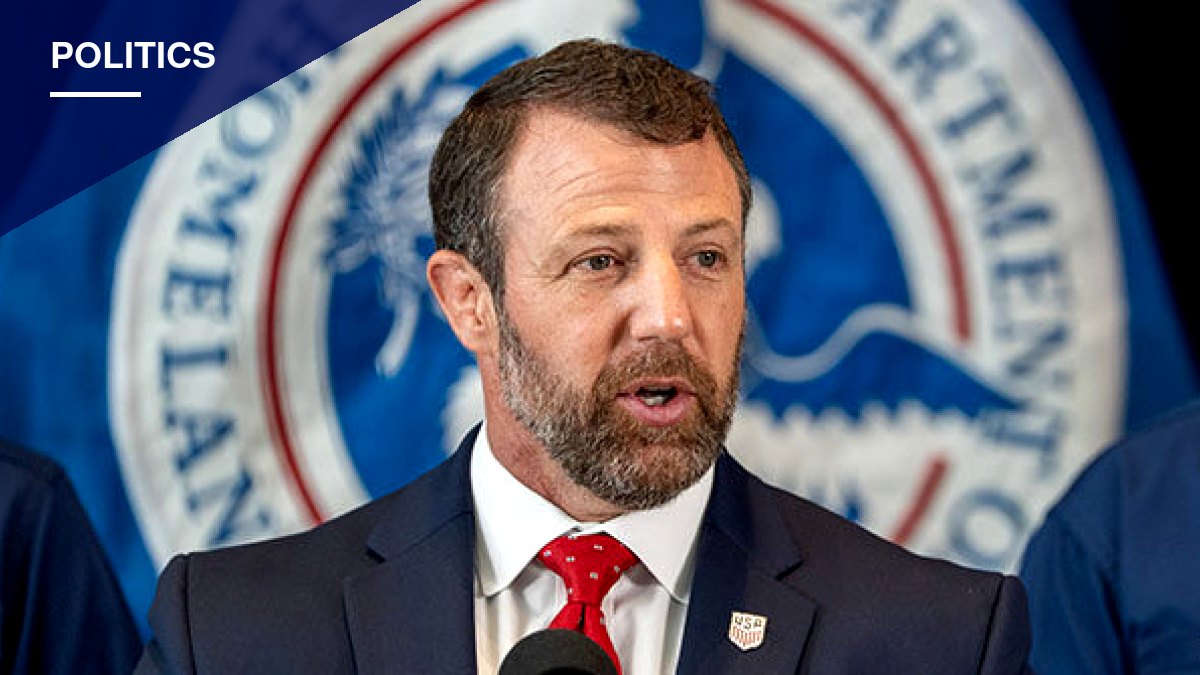
The Department of Homeland Security says it has made 151 arrests as part of an investigation into noncitizens illegally voting in U.S. elections, with 1,620 additional cases still being reviewed, according to DHS Secretary Markwayne Mullin.
Mullin said the department could ultimately examine as many as 300,000 more cases, a figure first reported by Fox News.
“We’re scrubbing them. We’re comparing them to those that are in the country illegally, those that are legal permanent residents and those that are citizens,” Mullin said, describing the process used to check voter rolls against immigration records.
Mullin argued that each fraudulent vote effectively cancels out a legitimate one. “We continue to see that. Every single vote, Kayleigh, that we talk about, that was at the hands of an illegal canceled out a citizen that was legally registered and able to vote,” he said.
Roots in a Summer Review
The new arrest figures build on a broader investigation the Trump administration disclosed in July, when the White House released documents claiming at least 250,000 foreign nationals were illegally registered to vote across California, Pennsylvania, New Jersey and Nevada.
At the time, DHS said it had notified election officials in those four states about what it called “a serious threat to national security,” and pledged to help them identify and remove ineligible registrants.
“The investigation is expanding to include multiple additional states,” DHS said in July. The department also said it would support a Justice Department review of voter files obtained under the National Voter Registration Act of 1993 and the Help America Vote Act of 2002.
A month before that announcement, DHS had approved a plan letting states check the citizenship status of registered voters against federal databases and monitor mail-in and absentee ballots for signs of fraud.
The investigation has drawn attention in Michigan as well, where a local sheriff has publicly raised concerns about noncitizens voting, calling for officials to act on the issue.
DHS has not released a full state-by-state breakdown of the 151 arrests or the 1,620 pending cases, and it is not yet clear how many of the cases under review will result in charges.