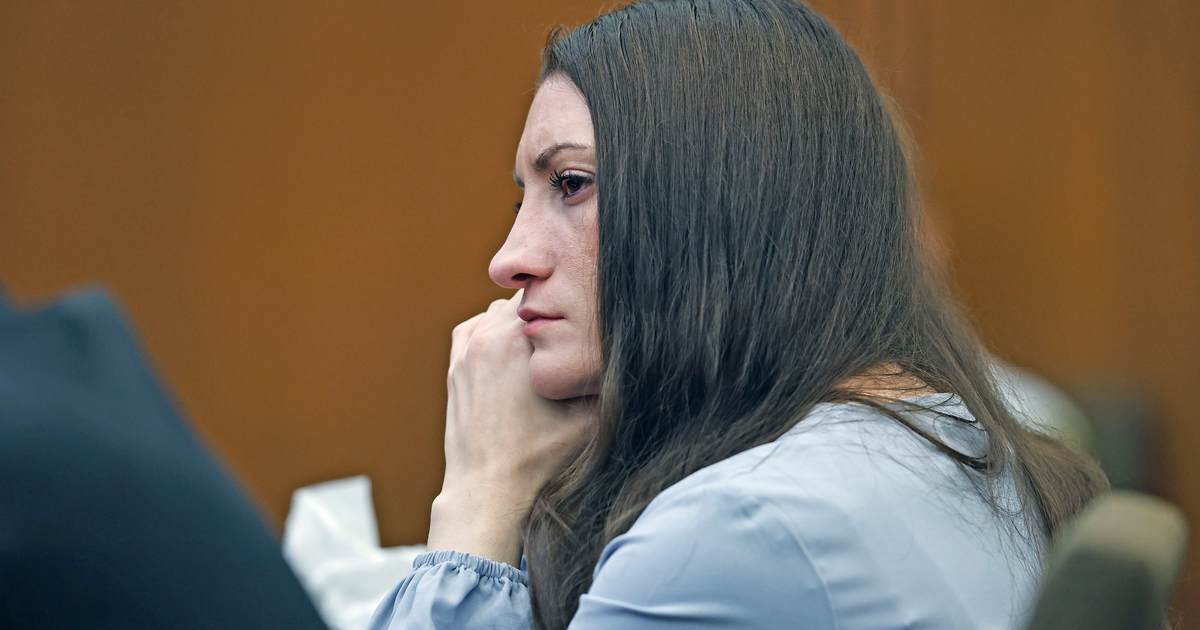
In this update, the trial over Lindsay Clancy’s January 2023 actions has reached a seventh day of jury deliberations amid claims from her defense that a single juror is preventing a verdict, with the defense maintaining the case centers on mental illness and responsibility rather than denial of the killings.
We are now on the seventh day of jury deliberations in the case involving Lindsay Clancy, and the courtroom atmosphere remains tense and procedural. The defense attorney, Kevin Reddington, has repeatedly pushed back against how the jury is handling its work and is pressing courtroom officials to address what he calls a derailment in the deliberation process. Courtroom filings and public statements show Reddington is not willing to let the matter rest while deliberations continue.
Reddington says one juror is keeping the panel deadlocked, and sources indicate the tally may be roughly 11-1 in favor of a not guilty verdict, though that likely means not guilty by reason of insanity rather than a simple acquittal. The defense does not dispute that Clancy killed her three children; instead, the core of the case is mental state and criminal responsibility. That distinction matters for the kind of verdict jurors are being asked to consider and for possible outcomes if the jury cannot agree.
The lawyer alleges the holdout juror is not following the jury charge issued by Judge William Sullivan, a set of instructions meant to guide deliberations and encourage consensus when a jury seems stuck. Typically, when juries remain deadlocked after extended effort, a mistrial becomes a possibility, but courts generally expect jurors to try to reach a verdict first. Reddington has gone further, claiming the juror lied under oath and later accusing the judge of being lenient in his instructions to the panel, which raised the stakes in the courtroom exchanges that followed.
In a procedural move yesterday, each juror was sworn in and answered a question from the judge, who then reviewed the situation and determined the jury’s condition remained acceptable to continue deliberating. Reddington responded by asking for the juror to be dismissed, an uncommon remedy that legal experts view as difficult to obtain when the disagreement reflects a difference in judgment rather than misconduct. Courts generally require proof of bias, dishonesty or inability to follow instructions before removing a juror, and simple dissent is not enough to meet that standard.
Judge Sullivan subsequently instructed the jurors to return to the jury room after giving a refresher on the legal concept of reasonable doubt, which is the bedrock threshold for conviction in criminal trials. That instruction is designed to focus jurors on the standard they must apply and to remind them of the law rather than personal feelings about the case. Deliberations have resumed under that guidance, and the judge is monitoring the process to determine when, or if, further action will be required.
https://x.com/mirandadevine/status/2095865925471789481?ref_src=twsrc%5Etfw
The facts that brought the case to trial are stark and have remained a central part of public reporting: in January 2023, Clancy killed her three children using exercise bands, then attempted to harm herself by slashing her wrists and jumping from a window, an act that left her paralyzed. Those actions are not in dispute in the sense that the events occurred; what is contested is the degree to which mental illness affected Clancy’s capacity to understand or control her actions at the time. The gravity of the facts has made the trial emotionally charged and legally complex for everyone involved.
Clancy’s defense centers on a diagnosis of postpartum psychosis and arguments that overmedication and preexisting mental health problems combined to make her not criminally responsible for the killings. The defense contends that these medical and psychiatric factors altered her state of mind so significantly that culpability should be viewed through the lens of mental illness, not simple intent. Prosecutors, by contrast, are expected to argue for accountability under criminal law, setting up a stark legal clash about responsibility and the application of standards for insanity or incapacity.
With deliberations ongoing, the courtroom remains in a holding pattern where legal maneuvers, juror dynamics and procedural rulings will determine the next steps. Observers note that how the judge responds to the defense’s accusations and how the jury responds to the refresher on reasonable doubt will be decisive in whether the case concludes with a verdict or moves toward a mistrial. For now, the official status is that deliberations continue and the court is watching the process closely.