A Missouri man accused of running a scheme to defraud federal COVID-19 relief programs allegedly used the name of a real pet care company he had no connection to, according to the Department of Justice. The case, involving a business called “Fur Lives Matter,” is one of the highlights of the DOJ’s nationwide “Fraud Week” enforcement push.
Prosecutors say Jamie Gray claimed to operate 19 separate businesses, including several with pet-themed names such as “Fur Lives Matter,” “Fur Lives Matter LLC,” “Chows & Pals” and “God’s Chow Chow.” Most of those businesses were entirely fictitious. But “Fur Lives Matter” was a real, operating company in another state at the time — one that prosecutors say had no knowledge of Gray and no connection to his claims about its ownership, employees, revenue or operations.
“Gray effectively stole this company’s identity,” the DOJ said in a statement.
Using the name of that company and his other purported businesses, Gray allegedly submitted 29 applications seeking nearly $56 million in Paycheck Protection Program and Economic Injury Disaster Loan funds from the Small Business Administration. He ultimately received about $820,000 in SBA funds, according to prosecutors.
Part of a broader crackdown
The case is one of more than 160 criminal cases announced as part of the DOJ’s National Fraud Enforcement Division’s summer surge, which resulted in charges tied to approximately $245 million in intended losses to taxpayers. The DOJ announced enforcement actions from Los Angeles to Philadelphia as part of the effort.
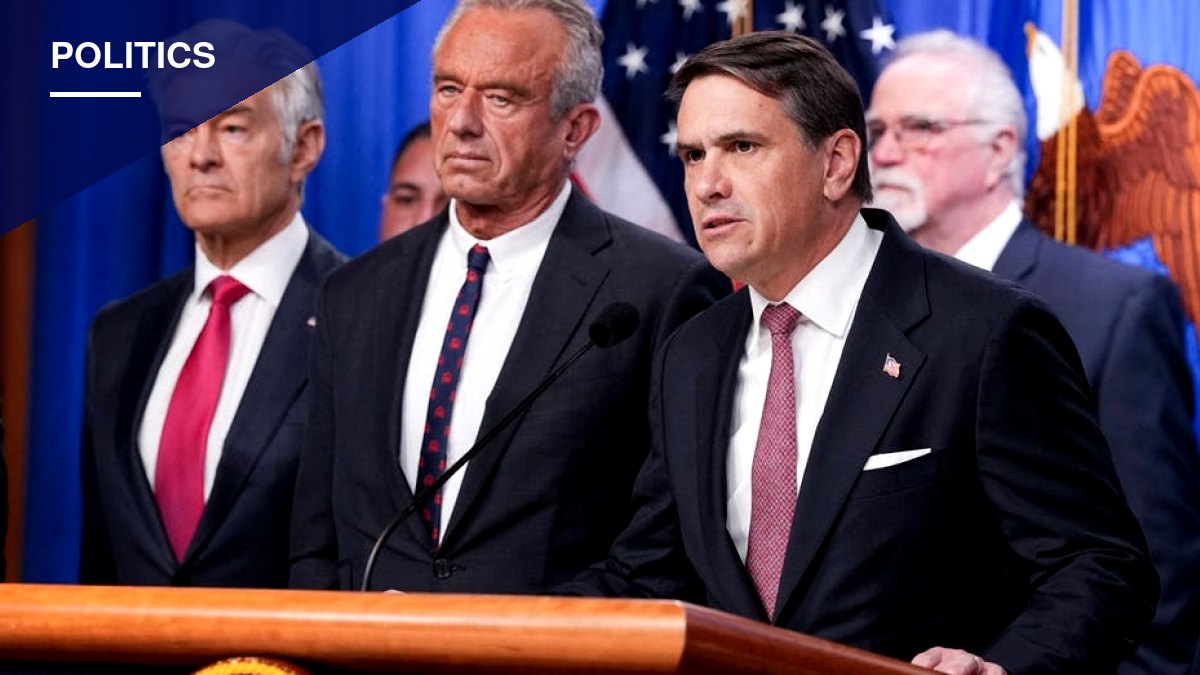
U.S. Attorney Matt Price of the Western District of Missouri, whose office was one of 44 involved in the broader “Heartland Fraud Surge” running from June through Sept. 1, called the wave of alleged fraud “the problem of our day.”
“This is a response to what happened over the previous four years,” Price said, comparing the coordinated push to the government-wide response to national security threats after Sept. 11, 2001. “After 9/11, there was a huge lean-in, [an] all-of-government approach to national security issues.”
Price’s office led extensive investigations into Small Business Administration and COVID-19-related fraud under division chief Colin McDonald, part of an operation known as Operation No Doze.
Minnesota case among prior prosecutions
The Missouri case follows other major fraud prosecutions tied to pandemic-era relief funds, including a Minnesota case in which a mastermind of the “Feeding Our Future” scheme, which involved roughly $250 million, was sentenced to nearly 42 years in prison.
New state-federal partnership
Price said Missouri’s enforcement effort is now expanding beyond the SBA-focused work. His office, along with Missouri Gov. Mike Kehoe and other state officials, has launched a new initiative called Operation Show-Me the Money, targeting fraud in state benefit programs through what Price described as a first-of-its-kind collaboration between state and federal authorities.
“No fraud is too small to prosecute,” Price said Saturday, “but leveraging all state resources in the state of Missouri from the top down [is] a first-of-its-kind collaboration between the state and the feds, working to identify and prosecute this type of fraud.”
Price credited SBA Administrator Kelly Loeffler with “leading from the front” as the agency suspends suspected fraudulent borrowers and sends demand letters seeking repayment.
Vice President JD Vance, speaking this week about the broader administration crackdown, said stricter rules are now in place for people accused of defrauding taxpayer-funded programs.
“If you screwed the American taxpayer, the federal government is now going to say you’re cut off, no more,” Vance said. “You shouldn’t be applying anymore, and if you do apply, you’re no longer able to get those benefits.”
Price described the current approach as a departure from what he characterized as the prior administration’s “pay and chase” model of recovering lost funds after the fact. He said Attorney General Todd Blanche has directed prosecutors to pursue fraud cases regardless of size, arguing that prosecuting smaller cases sends a message to larger offenders.
“If you ripped off the American taxpayer… we will find you, we will identify you, we will hunt you down, we’ll prosecute you,” Price said.