Polls show broad public pushback against gender ideology and a growing appetite for laws that reflect common-sense biology and protect women and children.
Oh, look at that: the surveys line up with what most people see every day. Polling finds wide discomfort with the notion of biological sex being ignored, especially where women’s spaces and sports are at stake. That public mood is the engine behind calls to turn polling into actual policy.
When the question lands on men competing in women’s sports, reactions are sharp and immediate. Folks understand that fairness in competition depends on biological categories, and many believe laws should protect sex-segregated athletics. That concern spills over into other arenas where biology matters, not just locker rooms and playing fields.
There is a broader cultural point here: no amount of hormones, surgery, makeup or brow-beating changes the realities of human biology. The political left often doubles down with threats and coercion because they know arguments about biology are hard to win at the dinner table. When persuasion fails, enforcement becomes their fallback.
That enforcement explains the rhetoric and the intolerance aimed at critics. The campaign to normalize concepts like “57 fluid genders” lives primarily in elite academic and media circles, far removed from everyday experience. Most people paying their bills or raising families find those theories abstruse and unconvincing.
https://x.com/sappholives83/status/2093922117297266770
Talk to a plumber, an electrician, or your local barber and you’ll get a different take than you hear in campus seminars. Ordinary Americans tend to trust lived experience over abstract ideologies, and they worry about children being swept into irreversible medical paths. These are not academic quibbles for people who have to face real-world consequences.
Idle hands are tools of the devil, sure, but this is about policy, not moralizing. Voters are asking lawmakers to act where necessary to preserve fairness, safety, and parental rights. That demand creates political space for statutes that protect girls’ sports and clarify the limits of medical intervention for minors.
Even outside the U.S., in places like Australia, public opinion favors sex-segregated sports and sensible limits on experimental treatments for children. That global sentiment gives policymakers cover to pursue reforms without being accused of backwardness. There’s no shame in aligning law with common-sense biology when the public wants it.
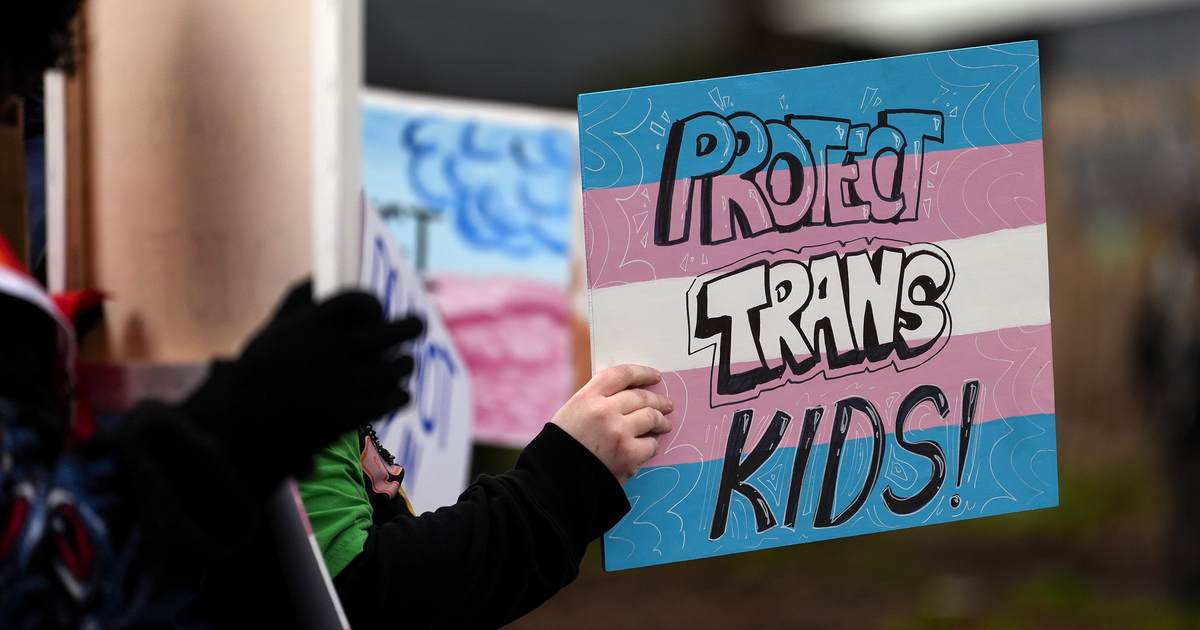
Legislators should focus on two things: defend women’s sports and shield children from harmful “gender-affirming care” when parents and professionals question durability and consent. If Democrats regain power, they’ve signaled a push for measures such as a “Trans Bill of Rights” and protections that could insulate providers from accountability. That’s why state-level action matters now — to set clear standards while public sentiment is on our side.
We’re already seeing legal pushback from detransitioners who say they were harmed, and a few successful suits against “so-called medical professionals” underscore the stakes. Those cases aren’t finished stories; they suggest growing legal exposure for providers who move quickly to permanent interventions without long-term data. Courts and juries are beginning to reckon with real-world harms.
Expect Democrats to brush off those harms the way they often do with other social issues they champion. They’ll attack critics as monsters while protecting industries that benefit from permissive policies. That disconnect between elite priorities and public opinion is the political opening conservatives should exploit.
Turning polls into policy means translating popular concerns into enforceable rules that protect kids, sports, and basic fairness. Lawmakers who act now will be answering a clear call from voters who want government to reflect lived reality, not ideological experiments. The next legislative moves will tell us whether public sentiment will influence outcomes or be shrugged off again.