Seattle’s policing language shift — and the wider woke habit of renaming inconvenient realities — is the focus here, with local quotes and clear Republican criticism presented about accountability and public safety.
Despite the Left’s numerous complaints about President Trump renaming the Gulf of America, Lake America, and the Trump Kennedy Center, they have no problem renaming lots of things. This isn’t just semantic play; it reflects a pattern where language gets softened while consequences get lighter. That trend is worth calling out because words shape policy and behavior.
We see it everywhere: women recast as “egg producers” or “birthing persons,” and a whole community of Spanish speakers pushed into the label “Latinx” over their objections. The change from straightforward terms to euphemisms often follows a political aim rather than clarity. Seattle’s new turn fits that same pattern.
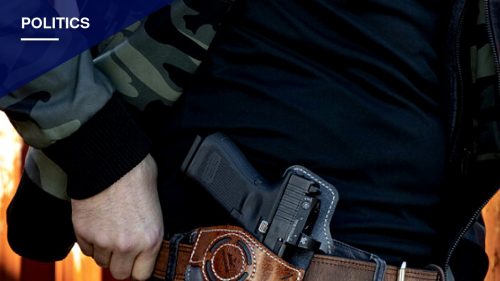
In Seattle, people who shoot other people are being relabeled. They’re now “trigger pullers.” This choice of language matters because the public’s sense of danger and the willingness to support firm enforcement depends on naming crimes honestly.
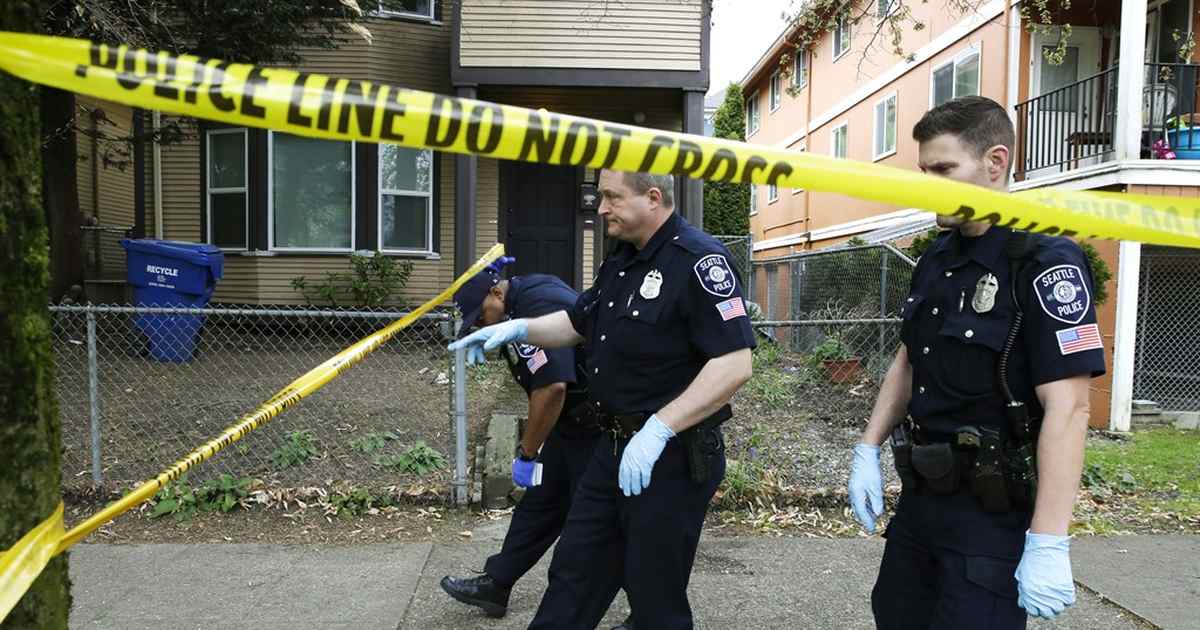
“Working with business owners and increasing patrols, bike patrols, working with our community response group and our gun violence reduction unit as well,” said Andre T. Sayles, Interim Chief of the Seattle Police Department. That sounds like the right mix of community partnerships and focused police work on paper. But words like “trigger pullers” undercut an enforcement-first message for voters who want accountability.
“Looking at ways to where we can identify individuals that are known, we call them ‘trigger pullers’ in our community,” he continued, “identifying them, making sure that we’re putting cases on those individuals, working with the King County prosecutor’s office to bring these individuals to justice for the families that lost loved ones throughout this year and years past.” The quote shows intent, but the label dilutes the moral clarity of holding violent offenders to account.
https://x.com/thehoffather/status/2097083352264352169
So now criminals who shoot people are “trigger pullers”? Really? That question isn’t just rhetorical — it nails the disconnect between soft language and hard consequences. What are we doing here?
We might hurt the feelings of those violent criminals. That’s the unspoken sensitivity behind these shifts: protect the image of the offender at the expense of the victim’s sense of justice. It’s a cultural choice, and it has material effects on policy priorities.
Just like “people experiencing homelessness” or the “unhoused.” Those phrases remove agency and responsibility from messy social problems, and politicians and bureaucrats use them to avoid hard decisions. Might as well call them that.
George Orwell is rolling over in his grave. This isn’t intellectual hair-splitting; it’s about whether we label violent behavior in a way that demands consequences. When society softens the names for bad actors, it becomes easier to argue for softer responses.
The political impulse behind this is predictable: shift blame away from the person who pulled the trigger and toward systems, objects, or conditions. The Left too often frames violence as the inevitable outcome of poverty, racism, or inequality, and then uses that frame to push policies that sideline punishment. That strategy appeals to compassion instincts, but it also erodes deterrence.
If policymakers actually wanted to reduce gun violence, they’d do two clear things: a) put criminals who use guns to carry out their crimes behind bars for long periods of time and b) not call them woke euphemisms like “trigger pullers.” Those steps would focus on consequences and public safety rather than linguistic cover-ups. Instead, many officials seem more interested in rhetoric that allows them to avoid the hard work of enforcement and justice.
Language matters because it signals what we value. Choosing sanitized terms for violent wrongdoing signals reluctance to hold people accountable, and that reluctance has real costs for victims, families, and neighborhoods. Call it what it is, treat it like the crime it is, and stop pretending euphemisms are a solution.