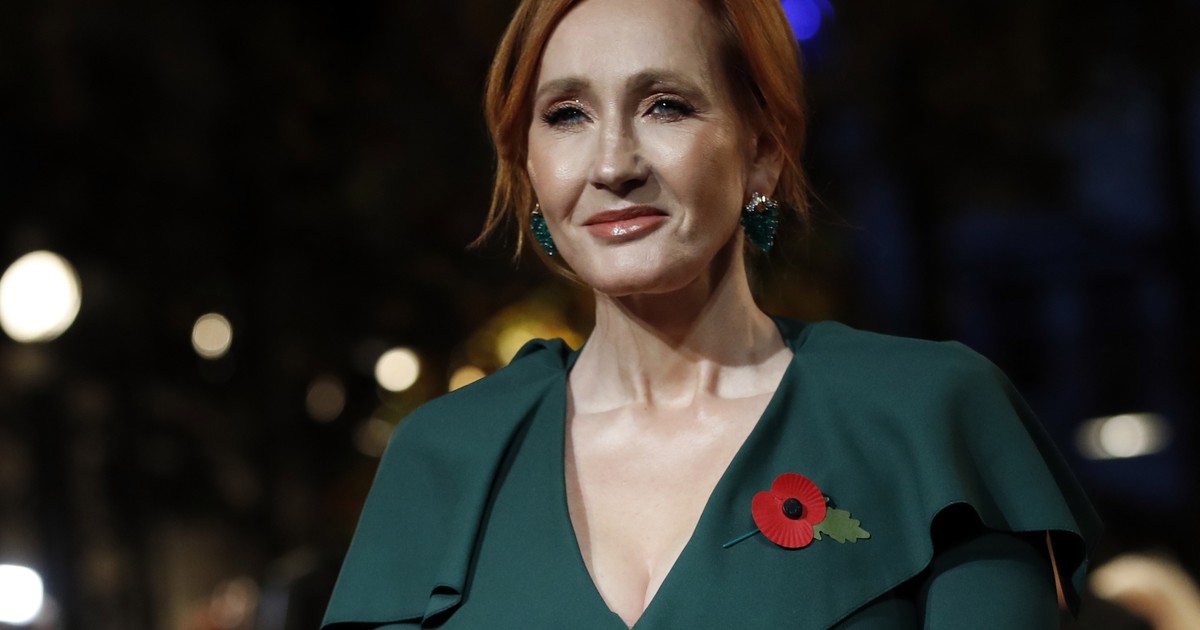
J.K. Rowling rose from poverty and an abusive relationship to global success, and recent online threats aimed at her underscore a bitter cultural clash over sex, safety, and free speech.
J.K. Rowling began the first Harry Potter book as a single mother on welfare, escaping an abusive partner and building a literary empire through grit and imagination. That personal history matters because it frames why she speaks about women’s safety and why her arguments carry weight beyond celebrity. Her stance—that the word woman refers to adult human females—puts her at odds with activists who demand a different social and legal order.
Rowling describes herself as a liberal feminist, yet her commitment to sex-based rights has made her a lightning rod. To critics on the other side, defending sex-based protections looks intolerant, but for many women it’s a matter of concrete privacy and safety. The dispute isn’t just academic; it shapes policy in schools, prisons, shelters, and sports facilities.
Online, that tension has turned corrosive and dangerous. A Reddit post praising violence against Rowling and celebrating the idea of her being killed or getting cancer surfaced, showing how personal the attacks have become. That post didn’t simply disagree with her; it actively called for her expulsion from life, and it specifically targeted her past and family in a way that crossed every line of decency.
The quoted passage reads exactly as posted: it describes alleged past abuse and then asks, “Why didn’t he finish her? Why? Why did he have to do a half-a** job? [He] could have easily sent her to the afterlife and would have ridden the world of her petulant pestilence.” It goes on to demand that “They need to be expunged, eviscerated, pulverized” and ends with, “Let’s pray that J.K. Rowling gets cancer. We did it with Magdalen Berns, we can do it with Joanne. Come on.”
That kind of language can’t be dismissed as fringe or rhetorical flourish. It targeted not only Rowling but the daughter left behind when Rowling fled an abuser; the author was five months postpartum when she escaped, and that child was at real risk if the abuser had custody. Wishing harm on a mother and her child is monstrous by any measure.
It’s worth noting the power dynamics here. The trans movement has amassed significant cultural and institutional influence, often reshaping workplace rules, medical policies, and public accommodations. People have lost jobs for resisting policies they view as unsafe for women, and institutions have sometimes prioritized gender identity claims over long-standing sex-based protections.
https://x.com/reddit_lies/status/2097401099141427306
Examples are not theoretical. Men identifying as women have been placed in female facilities and spaces in ways that have put women at risk, and courts and administrations have sometimes erred on the side of identity over safety. A high-profile instance in Virginia involved a convicted sex offender who gained access to a female locker room and exposed himself, a concrete offense that fuels the concerns of many women.
Rowling responded to these trends by funding shelters and legal defenses for women who refuse to accept policies she sees as unsafe. She helped establish a shelter model that excludes biological males, even if they claim a female identity, and she has publicly paid legal bills for women punished at work for insisting on privacy or single-sex spaces. Those actions are framed by critics as hateful, but supporters see them as pragmatic defenses of women’s dignity.
To many conservatives and feminists who hold similar views, this controversy is about preserving clear legal categories that protect women in places like prisons, shelters, and sports. It’s also about defending the right to speak and argue for those protections without being threatened with violence or deplatformed for life. When disagreement escalates into calls for murder or illness, the political and moral line is crossed.
The Reddit threats illustrate a broader cultural pattern where dissenters are labeled dangerous and then targeted in extreme ways. That mindset, if it ever holds sway in policymaking, would endanger the ordinary freedoms and safety of those who disagree. It’s not only rhetorical; it becomes an atmosphere in which real people fear for their jobs, their reputations, and even their bodies.
What the episode should make clear is that debates about identity and rights have moved far beyond argument into an arena where intimidation can thrive. Rowling’s critics sometimes respond to her arguments with fury that reads as less about persuasion and more about silencing. That approach risks making public life intolerable for those who advocate for sex-based protections.
For people concerned about maintaining both safety and free expression, the challenge is to defend the ability to challenge prevailing orthodoxy without inviting violence. Protecting women’s spaces, upholding clear legal definitions, and ensuring debate can happen without threats are all part of that effort. The outrage at violent rhetoric should be bipartisan and absolute; no political end justifies calls for murder or illness directed at an opponent.