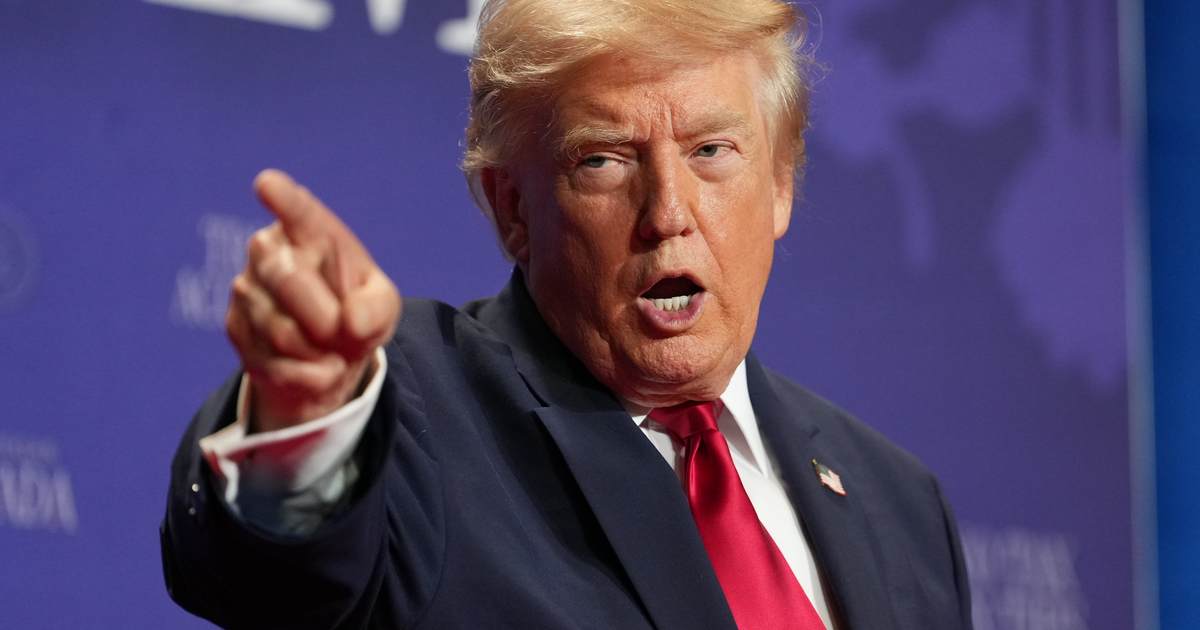
President Trump has urged communities to embrace data centers as critical infrastructure, drawing sharp criticism from locals who prefer the benefits without the burden, while the administration pushes to keep the nation competitive in AI.
President Trump set off a predictable backlash when he urged communities to “let Data Reign” and support the facilities that power the AI era. Calling for investment in computing infrastructure is controversial, but the debate comes down to whether America wants to build the backbone for tomorrow’s technology or hand that advantage to rivals.
Much of the pushback is local and familiar: people like the services enabled by data centers but resist having the physical buildings, wires, and power plants nearby. That dynamic — wanting the upside while avoiding the infrastructure — is the core of the conflict between Trump’s public stance and his critics.
“The only reason that communities throughout the U.S.A. should not want Data Centers is if they want to end up being backwards and poor,” the president wrote on Truth Social, Monday. “If they want to be successful and rich, with far lower taxes and jobs all over the place, let Data Reign. The good news is that there are plenty of other places that want them. If we kill the Golden Goose, you will only have yourselves to blame. China could not be happier with this anti Data Center movement. Actually, they can’t believe it is happening! President DJT.”
The administration has decided to support the build-out of data centers to preserve American competitiveness in AI, even though that stance is politically unpopular at the local level. Surveys show nearly seven in ten Americans oppose putting a data center in their own community, including 60 percent of Republicans, which reveals how easily national priorities clash with hometown concerns.
https://x.com/HQNewsNow/status/2094432030582861934
That split matters because many people implicitly want the AI revolution but prefer the physical infrastructure be built somewhere else. President Trump’s position rejects that selective acceptance; he is willing to press for construction and investment even when it makes local politics uncomfortable.
Close to the president’s Florida residence, the contrast is visible. Just five miles from Mar-a-Lago sits a data center, and Palm Beach County hosts 15 data-center facilities, 12 of them operational and three in development, making it the state’s fifth-largest county market for the industry. In the Washington region the pattern repeats: a data center sits about half a mile from the White House, while Loudoun County, Virginia is home to over 200 facilities and functions as a global hub.
Trump is practicing what he preaches by accepting data centers near his home and signaling a national willingness to build the needed infrastructure. Meanwhile, much of the opposition looks like classic NIMBYism: people want jobs, tools, and economic growth, but they do not want the construction, servers, or power plants in their backyards.
Some of the loudest objections come from people living in cities already served by vast digital networks, places that enjoy streaming, cloud services, fast delivery, and other conveniences powered by data centers. These urban critics benefit daily from the infrastructure they claim they do not need, and their complaints often focus on aesthetics or local permitting rather than the national strategic picture.
That contradiction is striking: many who oppose local data centers continue to use services that depend on them, consuming more data while resisting the facilities that enable it. AI and cloud computing do not run on intentions or Twitter posts; they run on racks of custom servers, power supply, and fiber, which must sit somewhere.
The policy choice is straightforward. The country can either build the infrastructure that creates investment, jobs, and technological leverage, or it can block the construction and watch those benefits flow to other places. Trump’s argument is that refusing to site data centers domestically cedes an economic and strategic advantage that is too important to lose.
Framing the decision as a tradeoff between immediate local discomfort and long-term national gains forces a political choice. Voters and officials will decide whether they want the conveniences and economic boosts of AI to be anchored here, or whether they prefer the political satisfaction of opposing Big Tech while letting the hardware and jobs relocate.
At its core, this fight is about who bears the costs of progress and who reaps the rewards. The debate will keep playing out in town halls, zoning hearings, and national rhetoric, and the outcome will shape where America stands in the global race for advanced computing and AI capability.