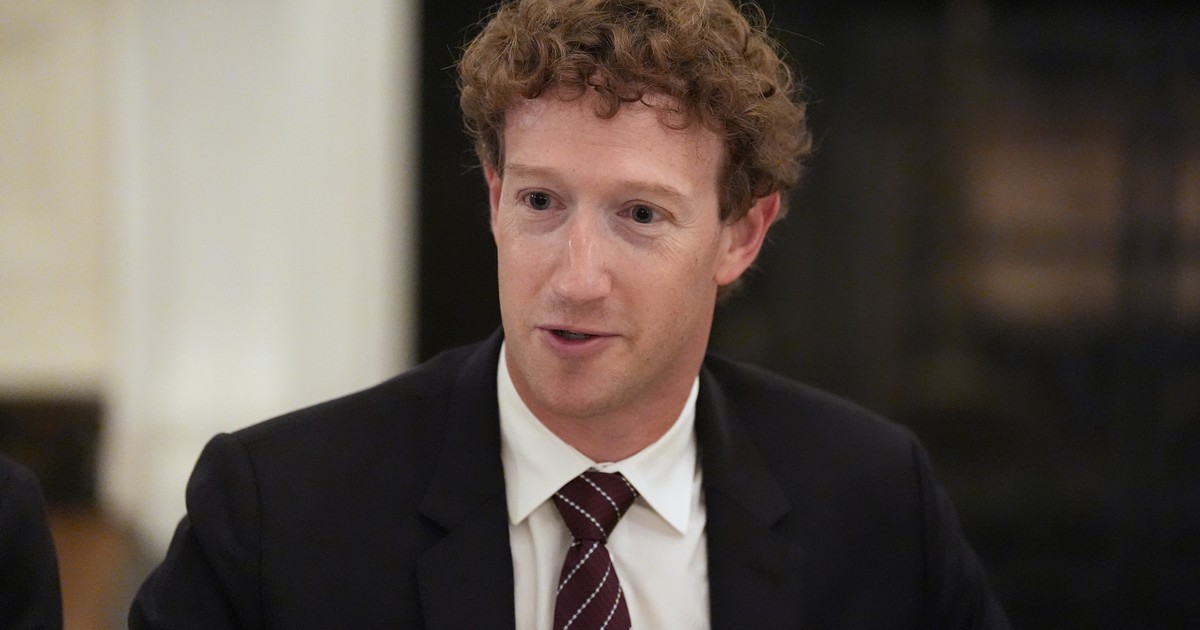
Mark Zuckerberg told President Trump in a mid-August call that he opposes the White House idea for a FINRA-style national regulator for artificial intelligence, sparking debate about oversight, constitutional issues, and how any watchdog should reflect a light-touch approach favored by some in the administration.
Meta CEO Mark Zuckerberg made his views known privately to President Donald Trump during a call the week of August 17, according to reporting that surfaced afterward. The exchange put a major tech CEO squarely into a contentious policy debate over how to police advanced AI systems. That direct line to the president highlights how industry leaders are pressing their case as Washington weighs strategy.
The proposal under discussion would create an independent body modeled on the Financial Industry Regulatory Authority, or FINRA, aimed at reviewing frontier AI models before they are broadly deployed. Proponents envision a group that could run tests for cybersecurity and biological risks and set standards for the industry under the supervision of the Securities and Exchange Commission. The idea has attracted high-profile backers, including Google scientist Demis Hassabis, and has been previewed to both the president and several big AI labs.
Meta CEO Mark Zuckerberg expressed concerns about plans for a national AI regulator in a previously unreported phone call with President Donald Trump last month, marking the involvement of one of the world’s top tech executives in a fraught White House policy debate.
The proposal, championed by the Nobel Prize-winning Google scientist Demis Hassabis and favored by some top White House officials, would create an independent organization modeled on the Financial Industry Regulatory Authority, or FINRA, the organization that oversees the securities industry under the supervision of the Securities and Exchange Commission. White House officials envision the group reviewing advanced models and testing them for potential risks before they are deployed more broadly.
When Trump spoke with Zuckerberg directly the week of August 17, Zuckerberg said he opposed the proposal, according to a senior White House official directly familiar with the conversation, who like others in this story, was granted anonymity to discuss a private call.
Another person familiar with the matter said Zuckerberg did not ask Trump to change his position, but told him that people the White House might appoint to the regulatory body should reflect Trump’s own approach to AI, which is widely seen as light-touch. That person added that Trump called Zuckerberg first.
The exchange came after senior White House officials previewed the proposal for a FINRA-style industry regulator with Trump and separately with major tech companies, including Meta, OpenAI, and Anthropic, in mid-August, said the White House official.
The proposed agency would act as a specialized watchdog focused on vetting frontier models and establishing testing protocols to identify cybersecurity gaps and potential biological threats. Supporters argue that standardization and pre-deployment review would give labs clearer rules and reduce national security risks from rushed releases. Those selling the idea say a predictable framework could calm markets and reassure wary lawmakers.
Critics, however, warn that copying the FINRA model for AI raises thorny constitutional and accountability questions, especially if rulemaking and enforcement are pushed onto an unelected body. Skeptics also argue that mandatory pre-release testing and other forms of government oversight could slow innovation and throw project timelines into disarray. Those concerns resonate with conservative priorities about limited government and protecting the competitive edge of American tech firms.
https://x.com/SophiaCai99/status/2095583953570746636?ref_src=twsrc%5Etfw
The initiative remains on hold as it waits for presidential sign-off, and lawmakers are still debating whether a centralized watchdog can effectively govern a rapidly evolving field. The back-and-forth with major companies shows the administration weighing regulatory caution against the potential economic cost of heavy-handed controls. For now, the plan’s fate hinges on balancing security, industry freedom, and constitutional limits.
Zuckerberg’s pitch to emphasize appointees who reflect a light-touch philosophy aligns with a broader Republican skepticism of expansive administrative power over emerging technologies. That stance stresses the need for oversight that protects national interests without trampling innovation or creating unaccountable rulemakers. The debate over structure and scope will determine whether any regulator strengthens defenses or simply becomes another layer of red tape.
Meanwhile, major AI labs and policymakers are watching how the conversation around a FINRA-style body develops, since whatever path Washington chooses will shape testing regimes, release practices, and liability expectations. Companies facing new review requirements would need to rework risk assessments and compliance processes, potentially changing release schedules and investment strategies. The next steps will reveal whether the administration favors tight guardrails or a more permissive environment that lets American innovators move fast.