A member of the House Appropriations Subcommittee on National Security, Department of State, and Related Programs is calling on the Trump administration to formally revive the 200-year-old Monroe Doctrine as a framework for countering Chinese influence and criminal networks across Latin America.
In an opinion piece published by Fox News, the lawmaker argues that the original principle established by President James Monroe — that U.S. security is tied directly to the security of the Western Hemisphere — remains relevant today because of growing Chinese economic activity in the region and the spread of transnational criminal organizations.
The piece points to several moves by the Trump administration as evidence of a broader security push. These include deploying elements of the U.S. Army’s 10th Mountain Division to Panama for jungle training and joint exercises, part of what is described as the Shield of the Americas initiative, and the Pentagon sending hundreds of additional Army troops to Latin America as part of an expanding drug-trafficking campaign.
The administration has also shifted MQ-9 Reaper drones from U.S. Africa Command to U.S. Southern Command to support surveillance operations in Colombia and Ecuador, according to the piece, which says the aircraft are meant to help track trafficking networks across jungles, borders and maritime routes.
Concerns Over Chinese Investment
The lawmaker, who recently took part in a congressional delegation trip to Ecuador, Peru and Colombia, writes that China has spent years building economic and strategic influence in the region through investment in ports, mining, infrastructure and other key industries.
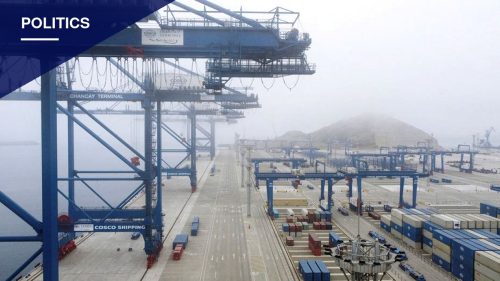
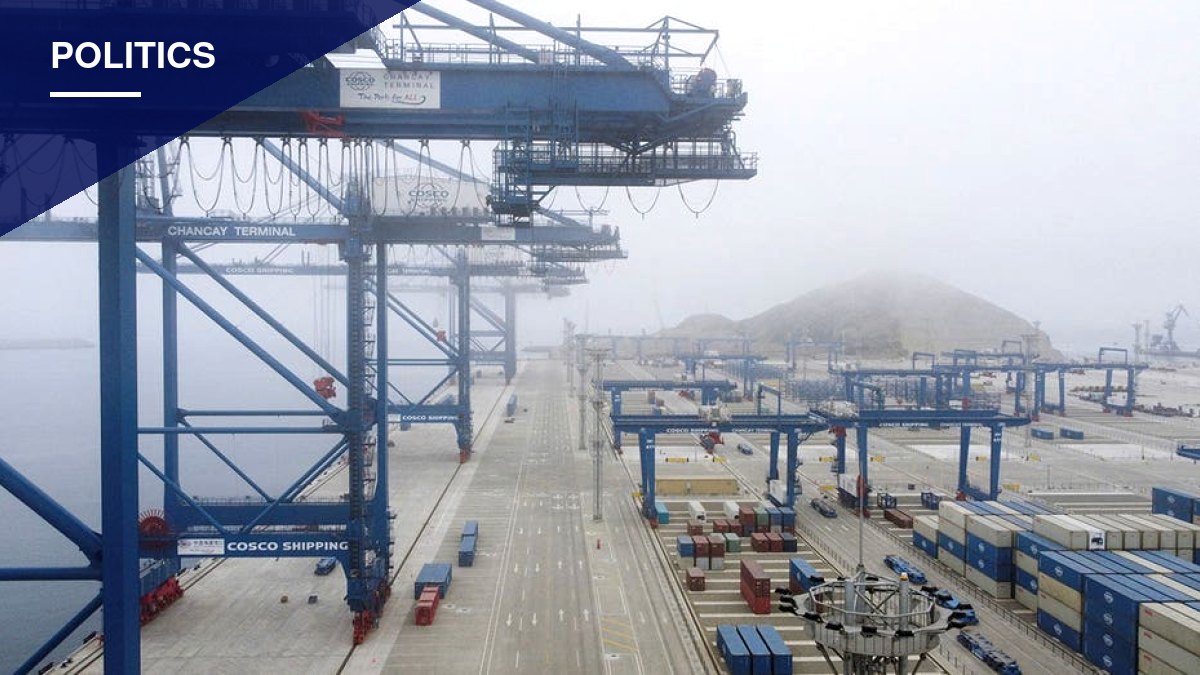
One example cited is the Port of Chancay in Peru, a deep-water port built and operated by Chinese state-owned company COSCO. The piece argues that while the port could boost trade between South America and Asia, Chinese control of the infrastructure raises concerns about intelligence collection, logistical support or potential future military use.
During the Peru visit, the delegation met with U.S. Ambassador Bernie Navarro, who has been coordinating with Peruvian defense officials and Southern Command commander General Francis Donovan on efforts against narcoterrorist organizations operating in the Valle de los Ríos Apurímac, Ene y Mantaro, known as the VRAEM region.
Call for Accountability
The lawmaker frames the recommendations as consistent with an