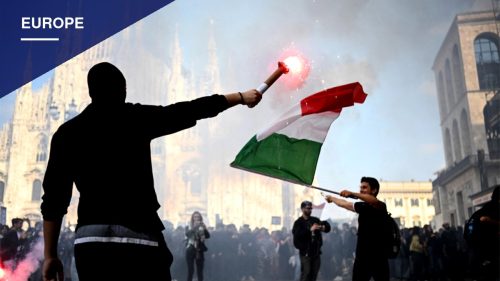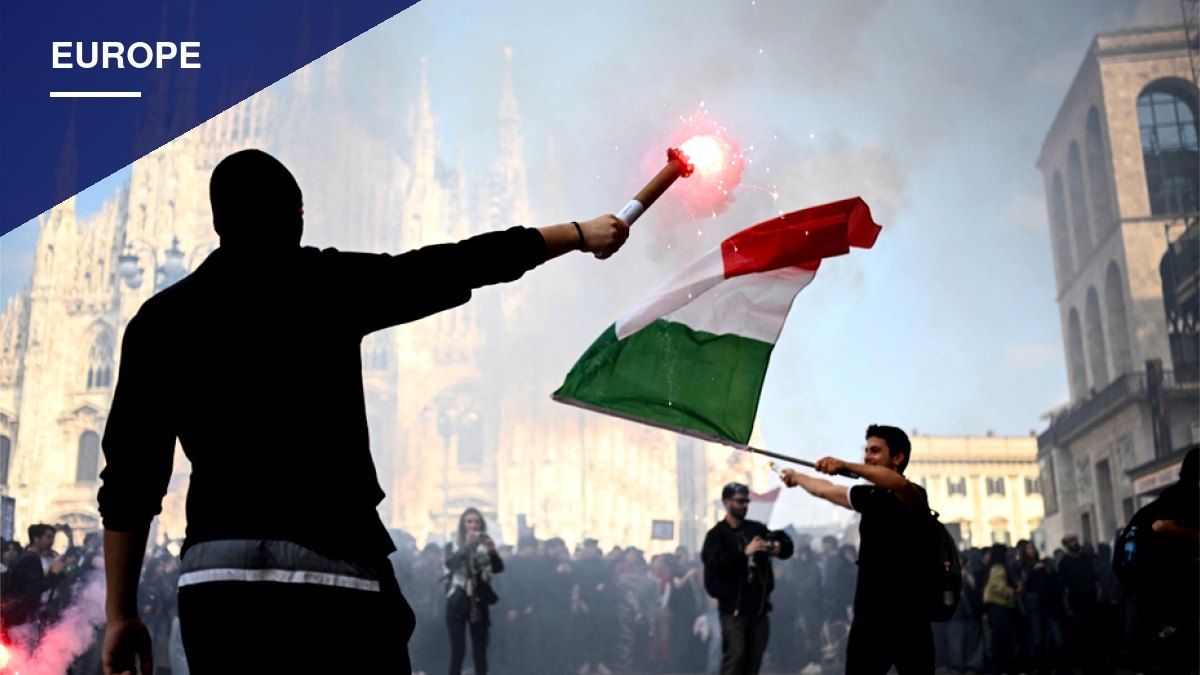
A wave of protests that began with student demonstrations in France over school conditions in mid-September has spread across Europe, prompting a range of responses from governments in Paris, Rome, Athens, Brussels, Tirana and Barcelona.
In France, authorities deployed 70,000 police officers nationwide on Saturday as demonstrations unfolded in Paris and other cities. Clashes broke out in Paris, Lyon, Lille, Toulouse and Nantes, with police using tear gas, sound grenades and water cannons. The Interior Ministry reported more than 1,300 arrests. Most union-organized marches passed off peacefully, though violence flared later in Paris and several other cities. A French intelligence assessment reportedly identified Antifa and other far-left groups as instigators of some of the unrest, according to a French outlet.
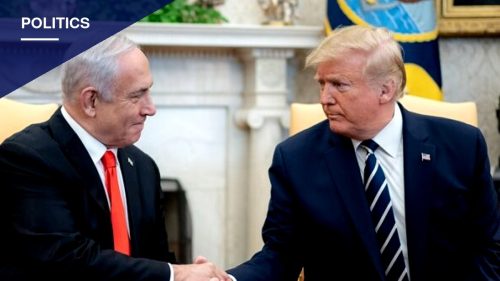
President Emmanuel Macron has said those who loot or destroy property will be held accountable and made to pay for the damage. He also pushed back against comments from President Donald Trump, who has pointed to the French protests as evidence for his hard-line immigration stance and urged France to close its borders. Macron called such remarks “unacceptable and even stupid,” accusing foreign leaders of exploiting France’s crisis for political gain.
Italy sends in troops
In Italy, Prime Minister Giorgia Meloni condemned what she described as “gangs of thugs” using demonstrations to “sow chaos,” and voiced support for police confronting violence in several cities. Following looting and clashes the previous weekend, she sent 500 additional soldiers to Milan and approved tougher penalties for minors involved in vandalism, saying destruction and theft amounted to crimes that would be met with a firm response.
Belgium, Greece and Albania
In Belgium, protests that started over education reforms and budget cuts brought young demonstrators onto the streets of Brussels and Liège. Clashes there injured police, damaged public property and blocked roads, and Belgian officials said nearly 200 people were arrested. Interior Minister Bernard Quintin accused far-left activists, including people linked to Antifa, of infiltrating the demonstrations and encouraging young people toward violence.
Greece has seen comparatively less unrest, though officials have monitored the risk of clashes as student and teacher demonstrations spread. Government spokesperson Pavlos Marinakis said the right to protest must be respected so long as demonstrations remain lawful, while condemning violence, looting and occupations. A visible police presence at demonstrations earlier in the week was accompanied by relative calm.
In Albania, student-led protests in the capital, Tirana, have grown into a broader movement against Prime Minister Edi Rama, with demonstrators calling for his resignation and accusing his government of corruption and neglect of schools and public services. More than 2,500 police officers were deployed, using tear gas and water cannons. Rama placed chairs outside his government headquarters and invited protesters to talk, but they rejected the offer. He said his government would address their concerns while warning that those responsible for violence could face criminal and financial consequences.
Spain’s unrest concentrated in Barcelona
Unlike France, where protests spread across many cities, Spain’s unrest has been largely confined to Barcelona. Police arrested 128 people there after fires, vandalism and looting. Catalonia’s regional president, Salvador Illa, condemned the violence and backed the police response. Barcelona Mayor Jaume Collboni said the city would pursue legal action against those responsible and warned that parents or guardians could be held accountable for damage caused by their children.