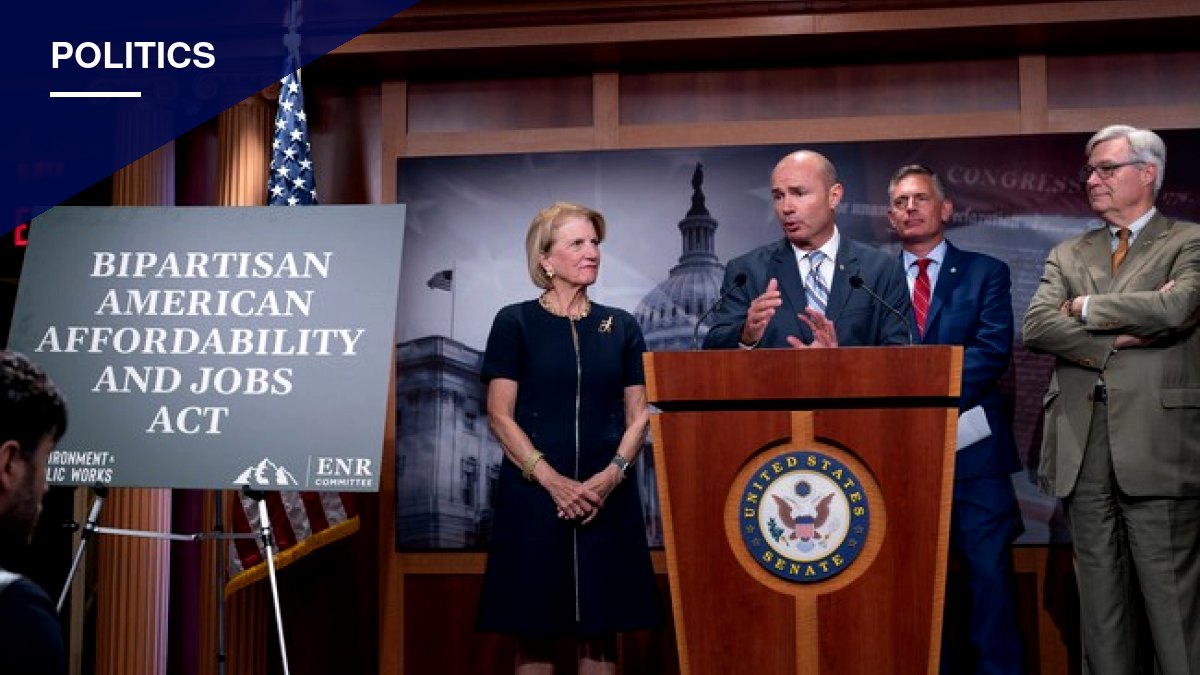
Affordability has become a central theme of this year’s midterm campaign, and Republican policy advocates are making the case that the issue isn’t one problem but several overlapping pressures on household budgets, from taxes and inflation to energy prices and market competition.
The latest inflation figures underscore the stakes. The annual inflation rate reached 3.7 percent in September, up from 3.4 percent in August. Even as the rate of increase slows, prices already paid by families don’t come back down, meaning households that drew down savings to cover basic costs still face rebuilding those reserves while living with higher bills.
Energy as a Cost Driver
Energy costs ripple through the economy well beyond home utility bills, affecting what farmers, truckers, manufacturers, grocery stores and restaurants pay to operate — costs that get passed on to customers. The America First Policy Institute’s affordability plan calls for streamlining permitting and expanding nuclear energy production, paired with spending restraint and tax changes, arguing that approving new energy production means little if the pipelines and transmission infrastructure needed to deliver it aren’t also built.
Who bears the cost of that infrastructure is also part of the debate. Sen. Katie Britt, backing President Donald Trump’s Ratepayer Protection Pledge, said: “Data centers should pay for their own electricity, not hardworking Americans.” The pledge asks participating technology companies to cover the generation and infrastructure costs tied to their own facilities rather than passing those costs on to ratepayers through utility bills.
Competition and Housing Costs
Market competition is another front in the affordability debate. In May, the Justice Department announced a proposed settlement with Agri Stats over allegations that information exchanges among meat processors suppressed competition and allowed for higher prices. Associate Attorney General Stanley Woodward said: “A fair market depends on real competition, not privileged access to competitors’ playbooks.” The proposed settlement would limit the sharing of sensitive information and make most reports available to interested domestic buyers, addressing conduct that allegedly gave processors leverage in negotiations with grocery stores, restaurants and distributors.
Housing costs are also tied to regulation. Advocates point to “green energy” mandates that can add as much as $30,000 to the cost of a new home, and cite a White House construction initiative launched in March aimed at cutting red tape and delays that drive up building costs.
Taxes and Government Spending
On the income side of the ledger, the 2025 tax law made the 2017 individual tax cuts permanent, preserving lower rates, an increased standard deduction and an expanded child tax credit. It also added deductions for qualifying tips and overtime pay, letting eligible workers keep more of what they earn.
Advocates for this approach caution that those gains could be offset if federal borrowing to finance spending continues unchecked, since reducing the deficit can help ease inflationary pressure and borrowing costs — both of which affect the purchasing power that tax relief is meant to protect.
Taken together, the argument from these Republican-aligned policy groups is that affordability isn’t solved by any single fix, but requires sustained attention to energy policy, market competition, tax policy and federal spending all at once — measured in terms families feel directly: the price at the pump, whether new homes get built, the size of a paycheck, and whether there’s anything left over to save.