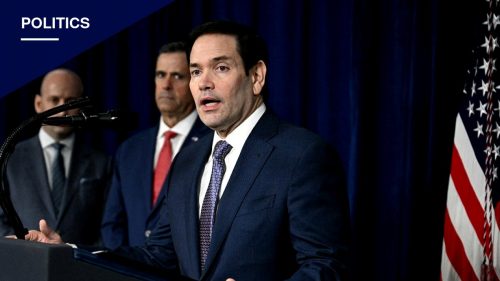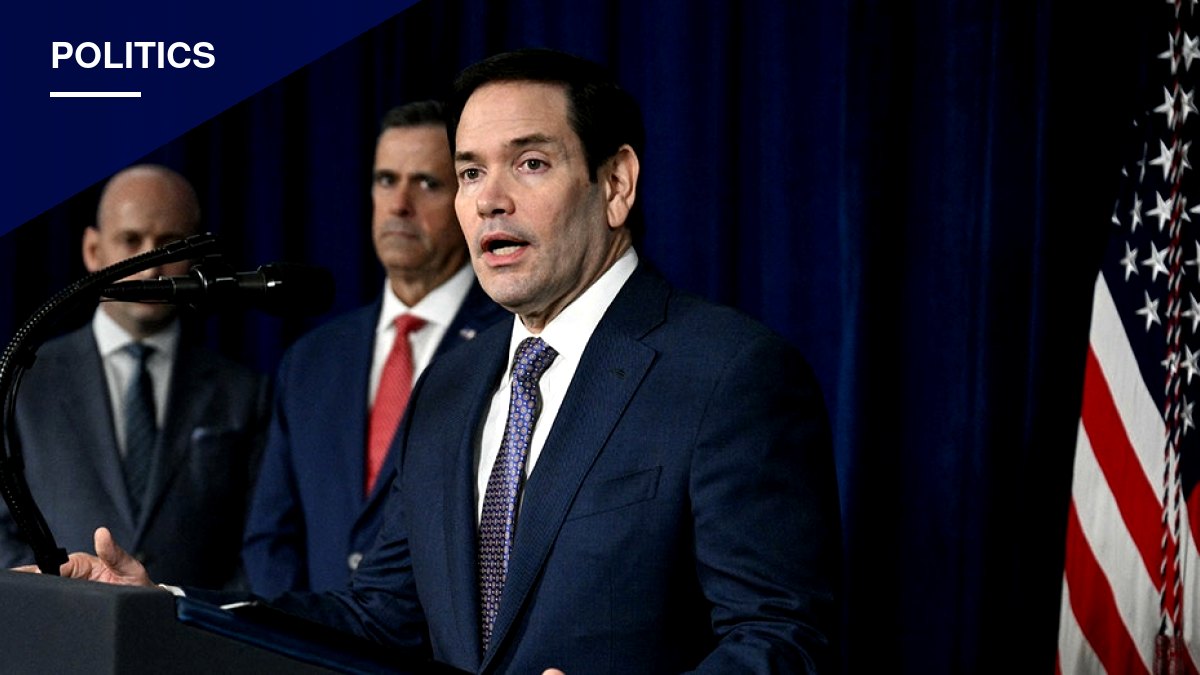
Secretary of State Marco Rubio has publicly invited Cubans to cooperate with the CIA, a move that has drawn sharp objections from Havana and renewed attention to the long, often hidden history of espionage between the two countries.
The invitation challenges a common assumption in Washington that Cuba’s struggling economy leaves it with little capacity for intelligence work. A former CIA operations officer of Cuban descent, who spent more than two decades with the agency including service as a chief of station in Latin America, argues that a government’s poverty does not limit its ability to run spies — it can make espionage one of the regime’s most valuable tools.
A History of Recruitment
Cuban intelligence has a documented record of recruiting Americans into its service. Ana Belén Montes rose to become the Pentagon’s leading Cuba analyst while secretly working for Cuban intelligence, compromising American intelligence officers in the process. Victor Manuel Rocha served as a U.S. ambassador and on the National Security Council while covertly serving Havana. Kendall and Gwendolyn Myers carried out an espionage partnership with Cuba that lasted 30 years.
These cases, according to the former CIA officer, were not built on money but on ideological commitment, with recruits steered into positions of trust over many years.
A Deadly Legacy
Cuban intelligence operations have also had lethal consequences. Cuba’s so-called Wasp Network infiltrated Cuban exile organizations and American military facilities. One of its officers was convicted of conspiracy to commit murder in connection with the 1996 shootdown of two Brothers to the Rescue aircraft, which killed four men — three of them American citizens.
The New Pressure Campaign
Rubio’s invitation is aimed at Cuban intelligence officers, military officials, and party insiders who may know which Americans Havana has recruited, which foreign governments it assists, or who ordered the arrest of a dissident. The goal, according to the former officer, is to pressure the regime from within while making clear that Washington is prepared to work with those who come forward.
Any cooperation would require careful verification, since Cuban intelligence has a history of sending fabricators and controlled sources to foreign governments. A volunteer’s hostility toward the regime, the former officer notes, does not guarantee the accuracy of the information offered.
The move comes alongside other recent U.S. actions toward Cuba, including sanctions on five Cuban entities and a member of the Castro family, and a Florida state arrest warrant secured by Attorney General James Uthmeier against Raúl Castro. Cuba’s foreign minister has accused Rubio of lying to Americans to justify the administration’s actions against the island.
Havana is expected to characterize any cooperation with the United States as treason. Supporters of Rubio’s approach argue that Cubans who expose officials responsible for imprisoning dissidents or running intelligence networks against other countries are not betraying their country, but acting against a government that does not represent it.