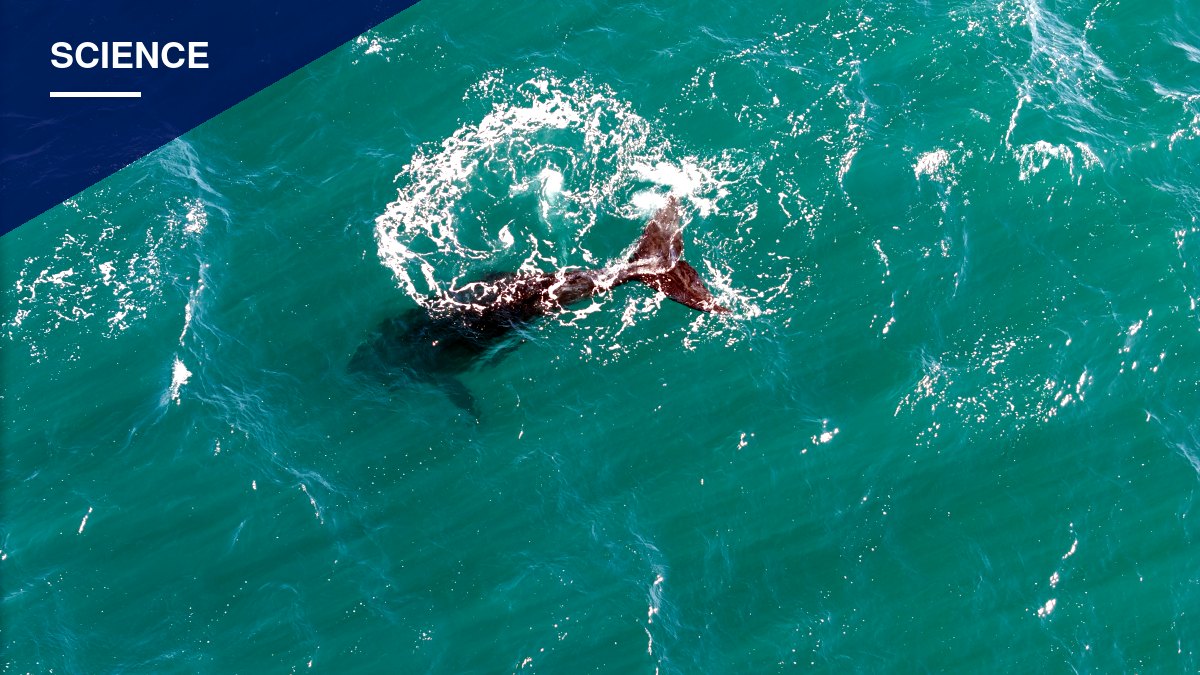
Researchers in Argentina are investigating why an unusually high number of baby southern right whales have been washing up dead along the Patagonian coast near Puerto Madryn, in Chubut province.
The carcasses have been found around Peninsula Valdes, a key breeding ground where the whales, once hunted nearly to extinction, now return each year to give birth and nurse their calves. Some bodies have washed ashore near Puerto Madryn’s central waterfront, unsettling residents and tourists. Locals have reported hundreds of dead calves, though researchers have not released an official count, saying the full toll will be clearer after the breeding season ends around late November.
“We’re looking into the whale calf deaths based on 23 years of monitoring that we have of this same population. That’s what allows us to say that this is an unusual event,” said Marcela Uhart, a veterinarian with the One Health Institute at the University of California, Davis, who heads the Southern Right Whale Health Monitoring Program and is leading the investigation.
A Possible Link to Kelp Gulls
Uhart’s leading hypothesis is that the calves are dying from infections caused by marine bacteria entering their bodies through wounds inflicted by kelp gulls. The seabirds have for decades pecked at whales surfacing to breathe, feeding on their skin and blubber. Adult whales have learned to surface with only their heads above water, keeping their backs submerged and out of reach, but calves cannot yet perform that maneuver, leaving them exposed to repeated attacks.
A team of biologists, veterinarians and park rangers, working under Uhart’s direction, has been scouring the coastline by foot, boat, plane and drone to locate the dead calves. The work is grim: researchers photograph and examine each carcass quickly, racing decomposition to collect skin and organ samples before they degrade.
Those samples are sent north to a veterinary school in Tandil for testing. Bacteria have already turned up in the tissue, Uhart said, but scientists are still culturing the samples to identify the specific microbes involved and confirm whether infection actually caused the deaths.
Searching for What Changed
Even if bacterial infection is confirmed as the cause, researchers still need to explain why it has turned so lethal this year. Uhart pointed to shifting marine conditions, including warming sea temperatures possibly tied to climate change or El Nino, as a potential factor.
“So to the extent that we can, we’ll try to identify at least what factors may be triggering this event and making it so massive,” Uhart said, describing a possible “perfect storm where this bacteria is powerful enough to overcome the immunity of the babies and cause their deaths.”
Southern right whales earned their name from whalers who once considered them the “right” animals to hunt because they moved slowly, stayed near shore and floated after being killed, according to the International Whaling Commission. Illegal hunting persisted into the 1970s, but the species has slowly recovered since gaining international protection in 1935. That recovery remains fragile, threatened by the same pressures facing whales elsewhere: shrinking food supplies, entanglement in fishing gear, oil spills and ship strikes.
A die-off of calves on this scale could slow that recovery further. Researchers hope identifying the cause will point toward ways to protect the population going forward.
“If the cause relates to something that we are doing as humans, then we need to change that,” Uhart said. “We don’t want to endanger these whales again.”