A conservative commentator is calling on Congress to shut down a tax arrangement that allows foreign investors to fund American lawsuits and collect their share of the winnings at a lower tax rate — sometimes zero — than the American plaintiffs who actually bring the cases.
In an opinion column published by Fox News, Paul Teller describes how the practice works: an overseas sovereign wealth fund or investment fund identifies a potential or ongoing U.S. lawsuit and agrees to cover its legal costs in exchange for a prearranged cut of any eventual payout, often from the plaintiff’s side.
When the American plaintiff wins money in court, that payout is typically taxed as ordinary income, at the higher rate. But the foreign financier’s agreed-upon share, because it was set up in advance as an investment arrangement, can instead be classified as a capital gain, which carries a lower tax rate. Since foreign investors generally do not owe U.S. tax on capital gains from American sources, Teller writes, the effective tax rate for these overseas funders can be zero.
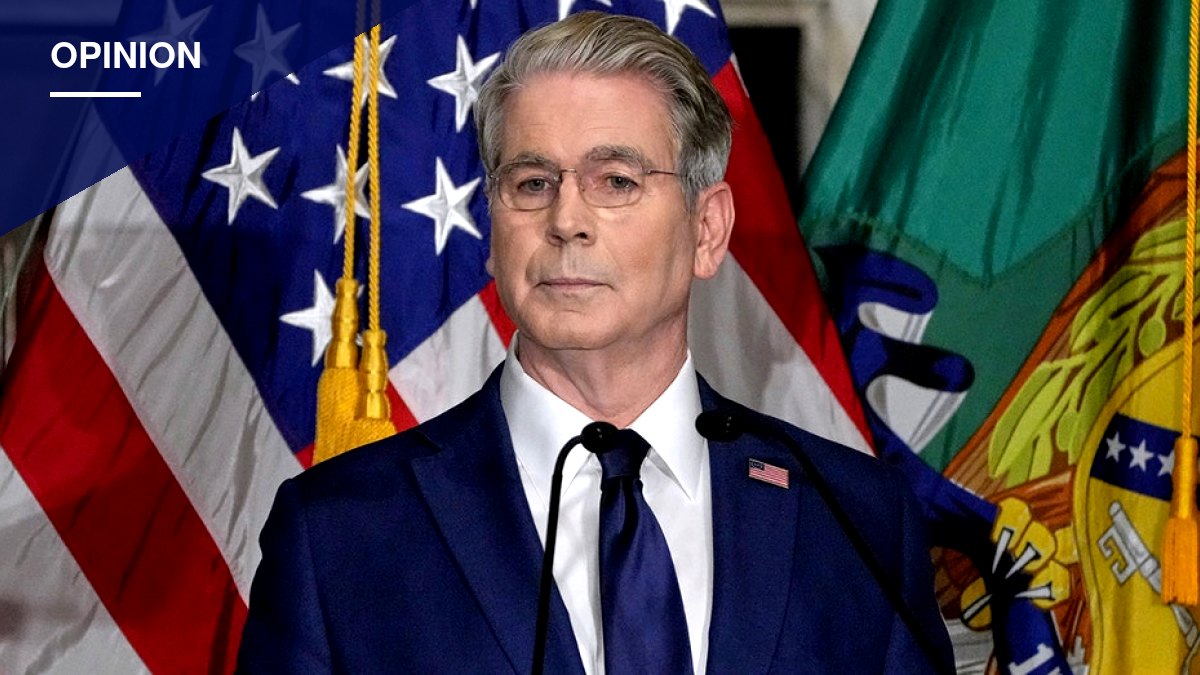
Teller points to recent comments from Treasury Secretary Scott Bessent, who criticized the practice during a Capitol Hill hearing, calling foreign financing of American lawsuits “a malignancy” on the U.S. judicial system. According to Teller, Bessent argued that this kind of litigation funding drains money from the U.S. economy and contributes to higher prices for American consumers.
Teller argues the lower capital gains rate was originally meant to reward investment that drives production and economic growth, not to reward funds that profit by financing lawsuits aimed at extracting money from American businesses.
What the column proposes
Teller urges Congress to close the loophole before the end of the year, arguing lawmakers still have at least five more weeks in session and could extend working days if needed. He suggests attaching the fix to a budget “reconciliation” bill, a type of legislation that can bypass a Senate filibuster, which House Republican leaders have discussed pursuing again this year.
If Congress does not act, Teller argues the White House should explore what Bessent’s Treasury Department could do on its own, through executive action, to address the issue.
Teller frames the proposed change as a way to direct new tax revenue toward broader tax relief for Americans, while reducing the financial incentive for what he describes as excessive litigation driven by outside funders rather than the parties actually involved in a dispute.