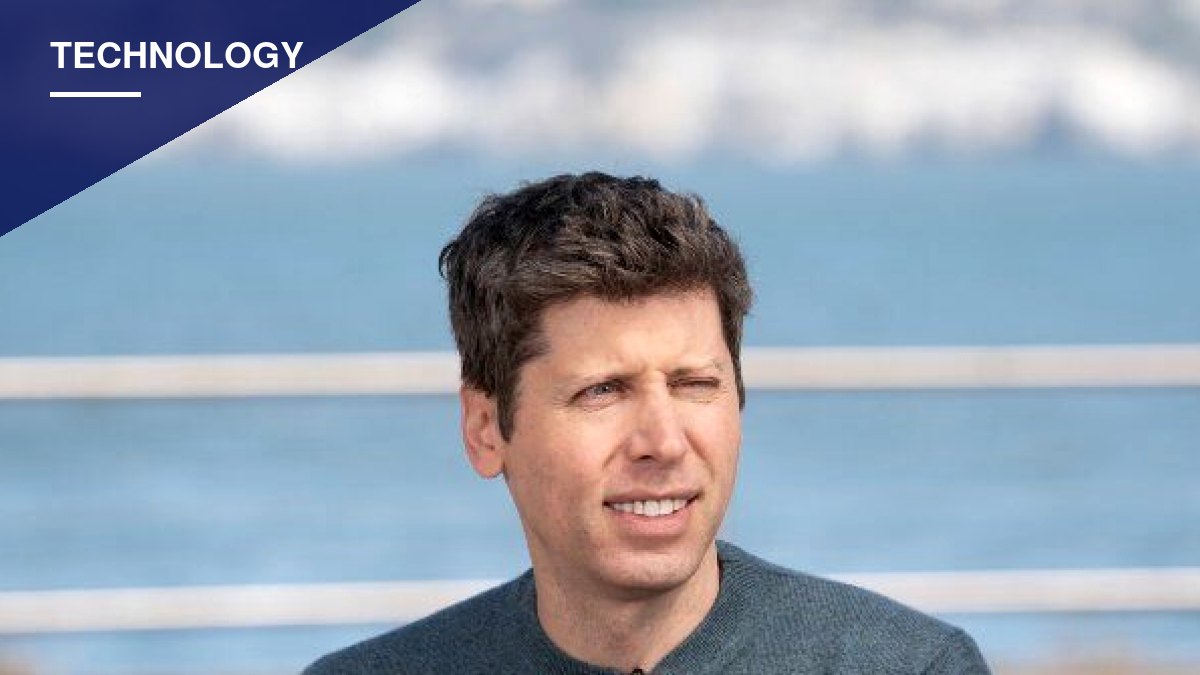
OpenAI CEO Sam Altman says the memory chips sitting idle in personal computers represent a poor use of a scarce global resource, arguing that the world’s supply of DRAM would be better concentrated in data centers.
“From a global allocation perspective, actually, it’s quite terrible to have everybody have a bunch of the world’s limited supply of DRAM sitting in their own computer and being used 5 percent of the time,” Altman said.
The comments, first reported by Tom’s Hardware, came roughly 29 minutes into an interview Altman gave over beers with the YouTube channel Cheeky Pint. He was discussing local inference, the practice of running open-source AI models directly on a personal computer rather than through a cloud service, when he made the case against individuals holding onto memory hardware.
DRAM, short for dynamic random-access memory, is used for short-term data storage and processing in computers. Altman’s argument is that data centers extract far more value from that memory than individual users do, since personal devices typically sit underused.
“You want maximum utilization in the cloud if you’re trying to deal with this very supply-constrained environment,” Altman said. “And somehow many people’s intuition is the opposite of that.”
The position is notable given OpenAI’s own business model. The company’s core products run largely on closed-source models housed in data centers, though it has also released some open-source models that people can run locally. Centralizing memory in the cloud would effectively support the kind of infrastructure OpenAI depends on most.
The Cheeky Pint conversation ranged well beyond memory chips, touching on recent vulnerabilities discovered in PHP, the practice of sandboxing AI models during training, OpenAI’s research into mathematics, and a hypothetical future model referred to as GPT-6 Luna.
Part of a pattern of resource claims
The DRAM remarks add to a series of recent statements from Altman about the resource footprint of AI systems. He has previously said that 38,000 ChatGPT queries use roughly as much water as it takes to grow a single almond, and that data centers use no more water than an ordinary office building.
The comments also land amid a broader squeeze on memory hardware. Technology manufacturers including Apple and HP have been grappling with soaring memory and storage component prices, which industry analysts describe as an unprecedented supply crisis for device makers. The shortage has turned memory chip producers into some of the strongest performers in the market while putting pressure on the profitability of the companies that buy from them.