American trade groups and business leaders have told the U.S. Trade Representative that U.S. companies doing business in South Korea are facing increasingly aggressive and one-sided regulatory treatment, according to public comments filed last week for the USTR’s annual National Trade Estimate Report.
The complaints center on South Korea’s Fair Trade Commission (KFTC), led by Chairman Ju Biung-ghi, which critics say has been disproportionately penalizing American firms even as Korean companies expand their footprint in the United States, including Samsung’s chip plant in Texas and Hyundai’s electric vehicle complex in Georgia.
According to studies from the Information Technology and Innovation Foundation (ITIF) and the Computer & Communications Industry Association (CCIA) examining a decade of KFTC enforcement, American companies have faced penalties four to seven times higher than Korean companies relative to their level of business activity. U.S. firms made up less than five percent of the economic activity measured by CCIA but were hit with roughly a quarter of all KFTC fines. ITIF found the average fine against an American company was close to $29 million, compared with $1.4 million for Korean firms. Chinese companies, by contrast, accounted for less than one percent of penalties against foreign firms, while American companies absorbed more than 81 percent.
A separate analysis by the research group Competere estimated that South Korea’s enforcement approach could eventually produce close to $1 trillion in combined economic damage, with the U.S. absorbing more than $500 billion in losses while Korea’s own GDP per capita and overall economy also take a hit.
Business groups argue the Korean government has pressed Washington for guaranteed returns, tariff reductions and visa exceptions tied to U.S.-linked projects, while rejecting accusations of discrimination by invoking what it calls judicial sovereignty. Meanwhile, the KFTC is moving forward with new digital platform competition rules and stiffer penalties, even as Chairman Ju faces calls from opposition lawmakers in Seoul to resign over questions about his agency’s impartiality.
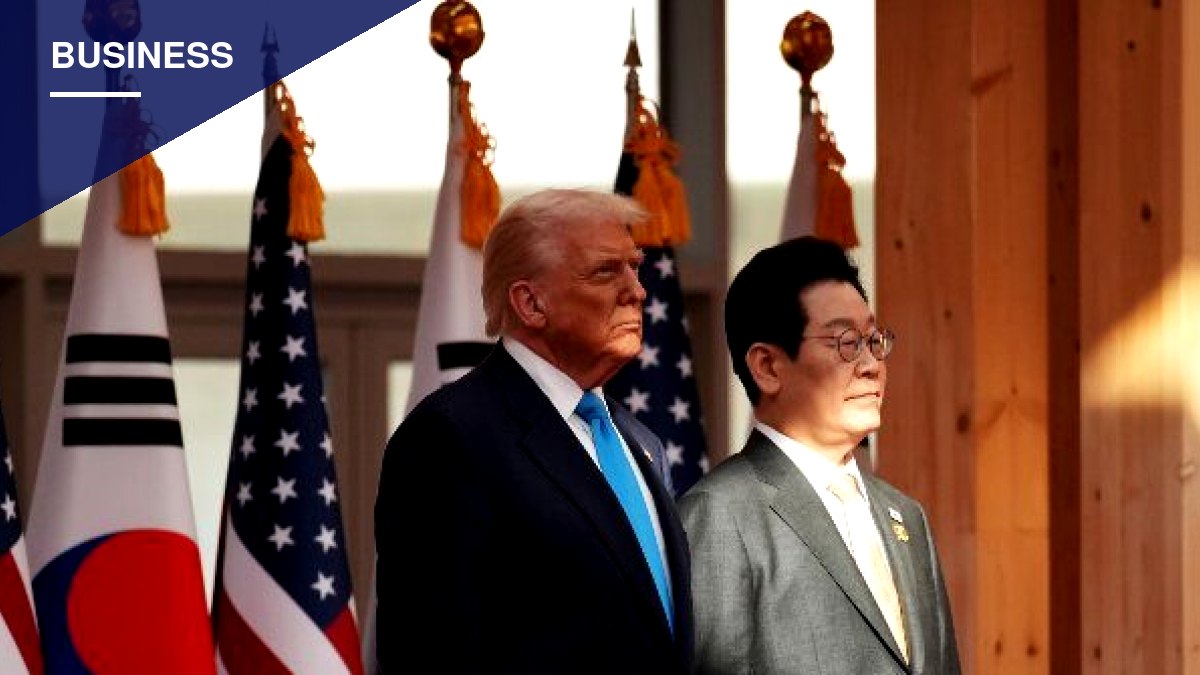
The dispute comes almost exactly a year after the U.S. and South Korea issued a joint fact sheet in November 2025 outlining the Korea Strategic Investment and Trade Deal, in which Seoul pledged not to discriminate against American companies and promised fair antitrust procedures. Critics say the KFTC’s recent conduct runs counter to those commitments, pointing to enforcement actions against companies including Google, Meta, Netflix and Coupang.
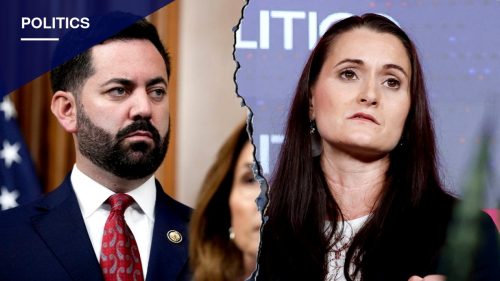
The issue has drawn bipartisan attention in Washington. Lawmakers including Rep. Susan DelBene (D-WA) and Rep. Jim Jordan (R-OH), along with Secretary of State Marco Rubio, have raised concerns, and the matter is now before incoming legislators and new House and Senate leadership.
For Texas and Georgia, where Korean firms have made some of their largest recent U.S. investments, the dispute underscores how closely economic ties between the two countries are now tied to broader security and trade relationships across the Indo-Pacific region.