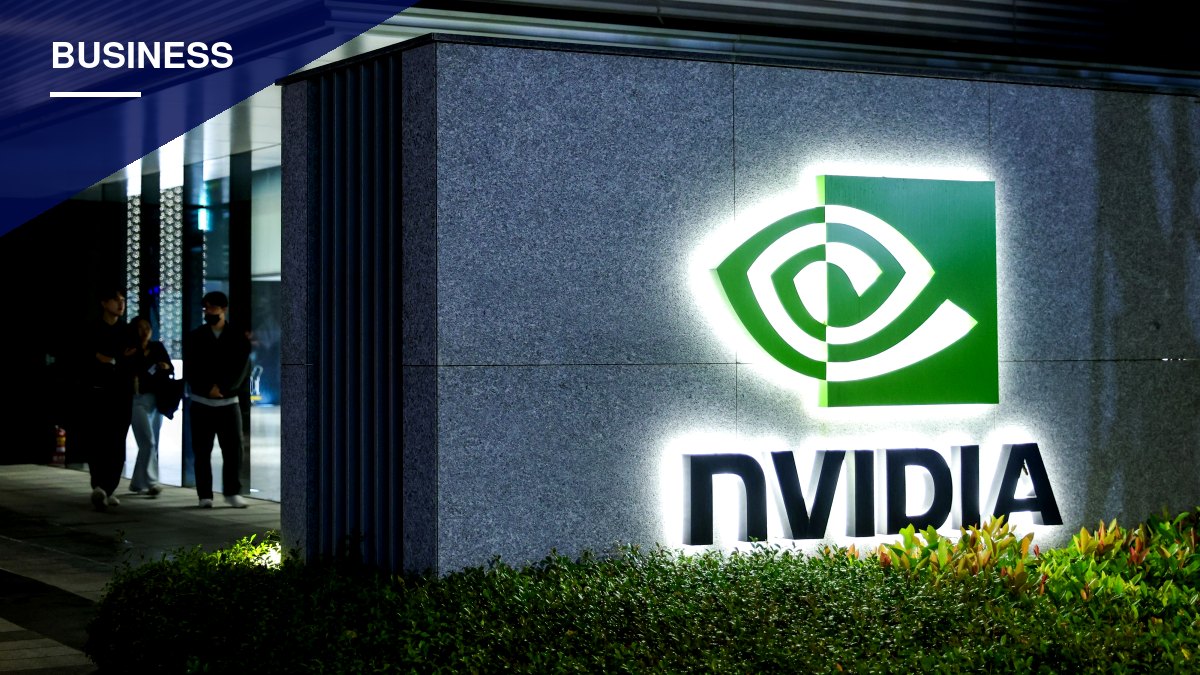
Northwestern Polytechnical University in Xi’an bought two Nvidia H200 artificial intelligence chips last month despite being on a US trade blacklist, according to procurement records reviewed by Reuters.
The university’s management school purchased the chips for 874,700 yuan, or about $123,000, from a company called Shaanxi Bosuan Network Technology rather than directly from Nvidia, an October 21 procurement record on the university’s website shows. The H200 is one of Nvidia’s most powerful chips for training and running advanced AI systems and normally requires a US export license that is denied to blacklisted institutions.
Northwestern Polytechnical is a member of China’s “Seven Sons of National Defense,” a group of elite universities with close ties to the People’s Liberation Army. The school conducts research tied to military aircraft, missiles and satellites. The US Commerce Department added it to its Entity List trade blacklist in 2001 over alleged involvement in missile-proliferation activities and military research, and tightened restrictions on it in 2019 so that export licenses are now denied in most cases.
Beyond the outright purchase, the university also paid for access this year to H200 chips and other restricted Nvidia processors through five separate contracts for rented computing capacity from Chinese companies, the records show. Its cybersecurity school awarded two seven-month contracts in January, worth 441,700 yuan and 441,000 yuan, for access to servers each containing eight H200 chips, to be used for fine-tuning AI models and reinforcement-learning training. The university also rented servers containing eight Nvidia A100 chips and eight A800 chips, both of which are banned from export to all Chinese entities.
Reuters could not determine contact details for Shaanxi Bosuan Network Technology. Northwestern Polytechnical, Nvidia and the US Commerce Department’s Bureau of Industry and Security, which oversees export controls, did not respond to requests for comment.
The purchases emerged in a Reuters review of 26 Chinese procurement and corporate records from this year, which found universities and research institutions obtaining US-restricted Nvidia chips, or renting computing services powered by them, through domestic suppliers. Several of the institutions named have close links to China’s defense industry or military research, and none responded to requests for comment.
Other universities identified in the records include Shenzhen University, which bought three H100 processors for 769,800 yuan in September; Wuhan University of Technology, which bought a server with an H100 chip for 355,000 yuan in June and four A100 chips in a separate 344,000 yuan purchase; and Beihang University, another of the Seven Sons schools with close ties to China’s aerospace and defense sector, which bought four A800 processors for 489,000 yuan in April. The University of Chinese Academy of Sciences was named in July and September procurement announcements for computing services using restricted H800 and A800 chips, with one listing H800 access priced at 10 yuan per chip-hour.
President Donald Trump’s administration began allowing some H200 exports to China on a case-by-case basis in January, but that policy did not lift the separate Entity List restrictions that apply to Northwestern Polytechnical. The January rules also require safeguards meant to stop blacklisted entities and military end-users from remotely accessing chips exported under the new policy.
The disclosures come amid wider scrutiny in Washington of Nvidia and its chief executive, Jensen Huang, who has lobbied for looser restrictions on AI chip sales to China and has argued that continued US sales would help keep Chinese customers dependent on American technology. Huang has also faced questions following reports that he was targeted by an alleged Chinese intelligence operative; three Republican congressional committee chairmen have requested a briefing with him on November 18 over those contacts. Lawmakers from both parties have pushed for stronger controls on China’s access to advanced AI chips, including chip-tracking requirements and greater congressional oversight of exports, citing concerns that the technology could accelerate Chinese military applications such as weapons design and intelligence analysis.