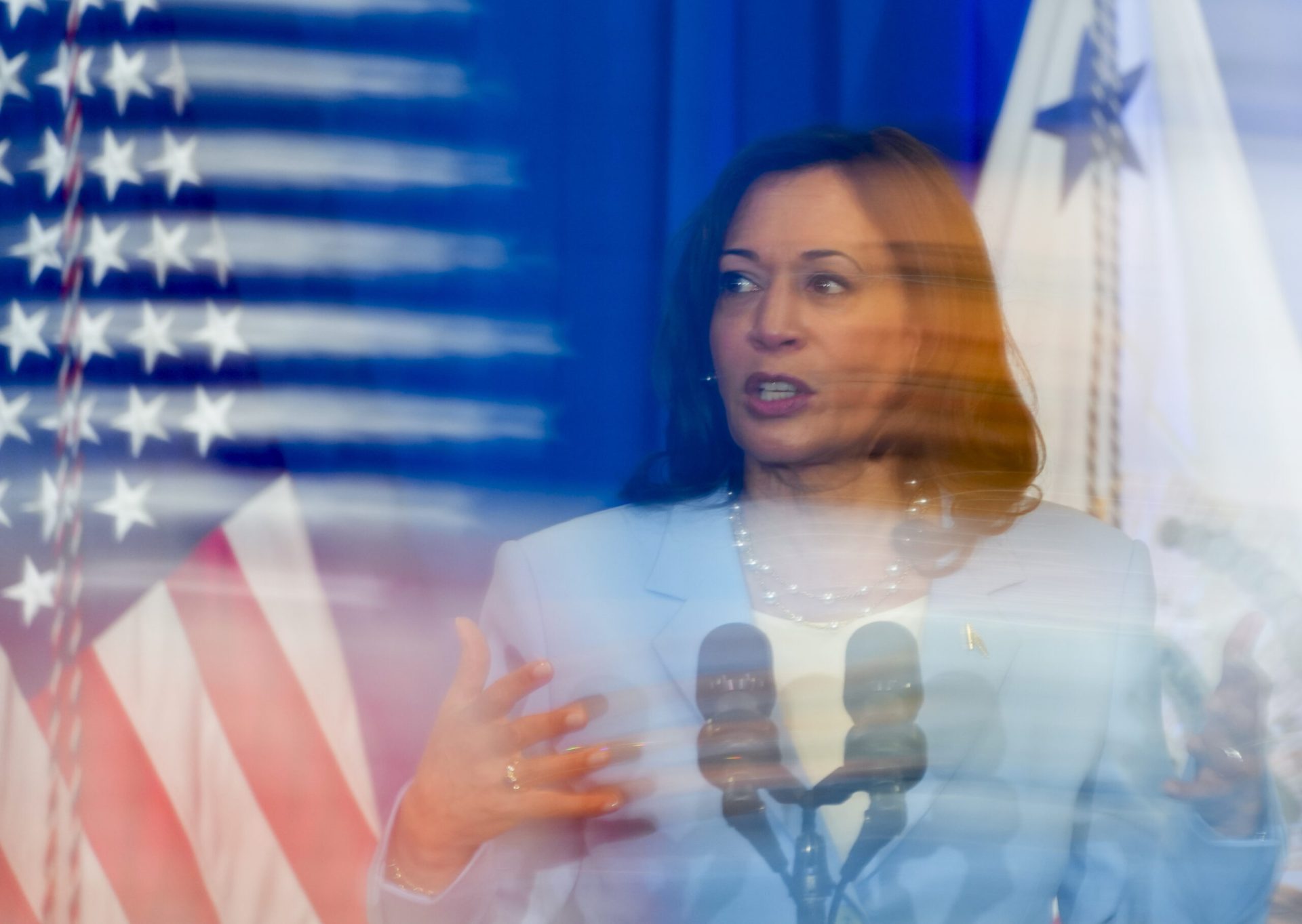
In a move signaling a strategic shift, the White House has positioned Vice President Kamala Harris as the future leader of the Democratic Party.
This announcement comes amid growing speculation about President Joe Biden’s political longevity and the party’s trajectory heading into future elections.
Strategic Realignment
The Biden administration’s endorsement of Vice President Harris reflects a calculated effort to ensure continuity and energy within the Democratic ranks. “Kamala Harris represents the future of our party,” White House press secretary Karine Jean-Pierre pronounced declared, emphasizing her role in advancing key Democratic initiatives and her growing influence within the administration .
Jean-Pierre also pronounced Harris as Biden’s political heir, at one point referring to her as “president,” when asked about his 2020 campaign remark that he would be a “transitional” candidate.
This endorsement underscores a potential pivot towards younger leadership, as the party seeks to rejuvenate its image and appeal to a broader electorate.
Betting Markets Signal Confidence
Recent betting market trends further bolster the notion of Harris’s ascendance.
According to analysts, Harris is now more likely to secure the presidency than Biden, a sentiment echoed by betting markets which have adjusted their odds accordingly .
Harris is now more likely to win the presidency than Biden, per the betting market aggregator OddsChecker. As of publication (note: the lines can change every few minutes), Harris is +680 to win compared to +1200 for Biden.
Per OddsChecker: pic.twitter.com/j5BdmQ8W2D
— OutKick (@Outkick) July 3, 2024
Donald Trump remains the heavy favorite at -139.
For reference, Harris was +4300 on Friday, trailing Biden, Gavin Newsom, Gretchen Whitmer, and Michelle Obama.
This shift highlights a growing confidence among political observers and bettors alike, suggesting that Harris’s political prospects are on the rise as Biden’s tenure appears increasingly uncertain.
Criticism and Controversy
Despite the administration’s optimistic outlook, Harris’s rise is not without controversy.
Critics argue that her political record and performance as Vice President have been less than stellar. Issues such as her handling of the border crisis and her public speaking missteps have been points of contention. These criticisms have fueled skepticism about her capacity to lead the party and the country effectively.
From a conservative perspective, Harris’s ascent is viewed with apprehension. Concerns about her policy positions and their implications for the nation’s future are prevalent. Many on the right argue that her progressive stance on various issues could lead the country down a path of increased government intervention and regulatory overreach.
A Divisive Figure
Harris’s polarizing nature is evident in the mixed reactions to her potential future leadership. Supporters praise her as a trailblazer, the first woman and person of color to hold the Vice Presidency, and tout her commitment to social justice and equity. However, detractors remain unconvinced, pointing to her perceived inability to connect with a broader voter base and her controversial past as California’s Attorney General.
Critics from the conservative camp often characterize Harris’s rise as indicative of the Democratic Party’s leftward shift. This perspective underscores a broader concern that the party is moving away from centrist policies that have traditionally garnered widespread appeal. “The White House’s endorsement of Harris suggests a troubling embrace of far-left ideologies,” remarked a political analyst, reflecting a sentiment shared by many conservatives .
Political Calculations
The White House’s strategy to elevate Harris may also be seen as a response to internal party dynamics. With Biden facing questions about his age and health, positioning Harris as a successor provides a semblance of stability and preparedness. It also serves to unify the party’s various factions, rallying support around a central figure who embodies both the legacy of the current administration and the promise of future leadership.
Some leading Democrats fear that Harris, whom they pan as awkward in public engagements, would boost Trump’s chances even further — though a poll released Tuesday by CNN showed Harris trailing Trump by 2 percentage points nationally, versus Biden’s six-point deficit.
Furthermore, the endorsement of Harris can be interpreted as an attempt to solidify the Democratic base ahead of upcoming elections. By championing a high-profile and historically significant figure, the party aims to galvanize its supporters and maintain momentum. This approach is particularly crucial in an era marked by intense political polarization and fluctuating voter loyalty.
Conclusion
The White House’s declaration that Vice President Kamala Harris is the future of the Democratic Party marks a significant moment in contemporary American politics. As the party navigates a complex landscape of internal and external challenges, Harris’s role will undoubtedly be pivotal.
Whether she can surmount the criticisms and fulfill the expectations placed upon her remains to be seen. However, one thing is clear: the political spotlight is firmly fixed on Kamala Harris as she steps into a role fraught with both opportunity and scrutiny.