Federal prosecutors say Derek Wachob, a 53-year-old CEO from Sapulpa, Oklahoma, faces a wire fraud charge after an alleged scheme that took more than $66 million from investors, a bank, an investment firm, and pipe distributors between October 2022 and August 2024.
Derek Wachob is charged with one count of wire fraud, a criminal count that carries a statutory maximum of 20 years in prison. Authorities allege the scheme centered on false business promises tied to future steel purchases and other fabricated opportunities. Prosecutors say the victims included personal acquaintances and institutional lenders who trusted Wachob’s representations.
According to the indictment, Wachob ran the alleged fraud while serving as the chief executive officer of a large steel pipe manufacturer based in Sapulpa. From October 2022 through August 2024, prosecutors claim he solicited money by promising profitable deals built around future steel purchases he pledged to make. Those promises are alleged to have induced investors and companies to hand over millions of dollars that were never used as represented.
Rather than deploying funds into the promised transactions, the indictment contends Wachob diverted money to support an ostentatious lifestyle and to prop up his struggling company. Investigators say the misdirected dollars went toward expensive cars, vacation homes, private jets, helicopters, and yachts, while Company-1 remained financially stressed and in debt. The complaint paints a picture of a business leader presenting a mirage of success to mask mounting liabilities.
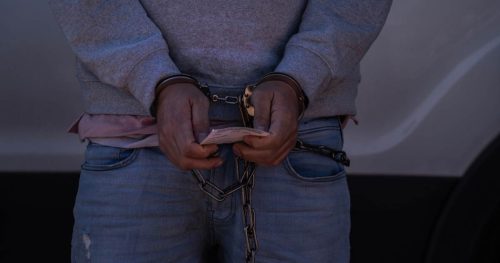
Wachob was arrested in Sapulpa, Oklahoma, and is due to be presented in the Northern District of Oklahoma, with the case now assigned to U.S. District Judge J. Paul Oetken. The U.S. Attorney’s Office for the Southern District of New York is handling the prosecution through its Complex Frauds and Cybercrime Unit, with Assistant U.S. Attorneys Danielle Kudla and Adam Sowlati leading the matter. The office stressed that any sentence will be determined by a judge in accordance with federal law.
U.S. Attorney Jay Clayton delivered a blunt assessment when announcing the charges, arguing that Wachob’s public image did not match the allegations. “Derek Wachob claimed to be a billionaire and successful CEO, but as alleged, that image was built on lies,” said U.S. Attorney Jay Clayton. “He stole more than $66 million from a range of victims that included some of his closest friends, then used those funds to maintain a lifestyle of expensive cars, vacation homes, private jets, helicopters, and yachts. The steel industry is a pillar of our manufacturing community, where honest and hard-working success is to be celebrated, but there is no place for fraud. This Office will work relentlessly to bring high-flying fraudsters to justice.”
The FBI’s New York Field Office also commented on the allegations and the investigative effort, emphasizing protection of investors and the public interest. “Derek Wachob allegedly stole at least $66 million from investors, including some of his closest friends, and financial institutions to secretly fund his failing company and extravagant lifestyle through false promises of profitable business ventures,” said FBI Assistant Director in Charge Christopher G. Raia. “Wachob allegedly abused his authority as CEO to entice his targets with a mirage of success while shrouding the truth in deceit. The FBI remains committed to investigating any business leader who siphons from the accounts of trusting victims for personal enrichment.”
The indictment lists a wide array of alleged victims, including individual investors, a bank, an investment firm, and at least two steel pipe distributors. Prosecutors say the scheme relied on misrepresentations about future purchases and business plans that were never executed as promised. The complaint alleges those false representations were the mechanism used to obtain and then misuse the millions in victim funds.
The office handling the prosecution has thanked partnering law enforcement offices for their investigative work, and noted that the statutory sentencing range is set by Congress and that any actual sentence will be imposed by a judge. The formal charging document and the ongoing court process will determine what evidence is presented at trial and how the case moves forward in federal court. The matter remains active, and the charges mark the start of the criminal process in this complex fraud allegation.