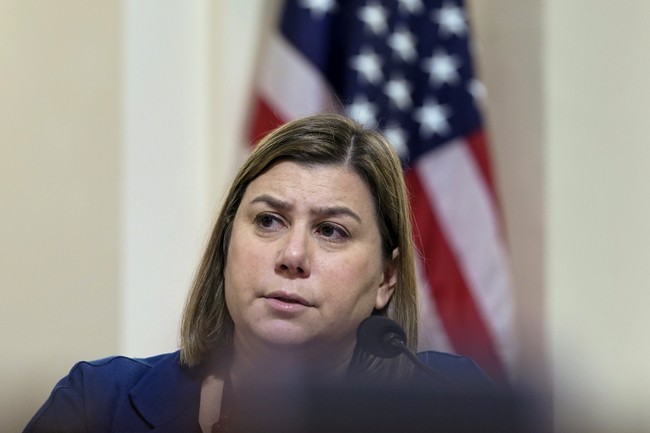
Michigan Senator Elissa Slotkin doubled down on an already-debunked Washington Post story about Secretary Pete Hegseth, even after reporting from other outlets undercut the WaPo piece, and she continued to press for accountability from the Secretary and the White House amid heated social media backlash and national security concerns.
Senator Slotkin marched right back into the same lane after the press cycle turned against the WaPo narrative, treating the discredited reporting like fresh ammunition. She has publicly pushed for consequences for Secretary Hegseth while the underlying WaPo claims were challenged by subsequent coverage. That stubborn posture keeps the controversy alive and forces the topic into public debate.
The Washington Post item at the center of this flap relied on anonymous sourcing that many readers found shaky, and another major outlet later flagged problems with that reporting. When key elements of a story wobble, responsible officials ideally step back, but Slotkin doubled down instead. That decision looks less like careful oversight and more like political theater to her critics.
Instead, Slotkin is doubling down on attacking Hegseth and using the debunked WaPo article to do it. Her post reads:
At the Pentagon, the buck stops with the Secretary of Defense. Period.
True leaders own the calls they make and take responsibility for their actions. Secretary Hegseth should release the full video of the strike and lay out publicly what happened, without throwing the… pic.twitter.com/MbsLPqsCqV
— Sen. Elissa Slotkin (@SenatorSlotkin) December 2, 2025
True leaders own the calls they make and take responsibility for their actions. Secretary Hegseth should release the full video of the strike and lay out publicly what happened, without throwing the uniformed military under the bus.
Since Signalgate back in the spring, Secretary Hegseth’s leadership has been a distraction from the critical missions of our military, and I called for him to resign then. The President himself yesterday told the country that he would not have wanted a second strike.
If this reporting is true, President Trump should fire the Secretary, as he did other underperforming cabinet members in his first Administration.
The blockquote spells out her demands plainly, but the core document she leans on has been criticized for inaccuracies and anonymous sourcing. That matters because calls for firing a cabinet official should rest on solid ground, not on shaky media claims. Republicans and independents alike expect clear evidence before careers are ruined.
There’s an obvious political motive here: Slotkin has opposed the President and wants his allies out of office, and she’s made that stance public. Using disputed reporting to further that goal risks politicizing the military and distracting from real national security tasks. Voters should care when politicians weaponize leaks and unverified stories for purely partisan ends.
Thankfully, social media users dragged Slotkin for her seditious behavior and lies. Her feeds filled with skeptical replies and calls for accountability that pointed out the contradiction between posture and proof. Public reaction turned the story into a contest over credibility as much as policy.
Observers also pointed out a grim context that Slotkin seemed to ignore: an Islamic terrorist recently shot two National Guardsmen in Washington, D.C., and the country was still dealing with the fallout. One Guard member, Sarah Beckstrom, died of her injuries, and another, Andrew Wolfe, remains hospitalized in serious condition. For many, attacking military leaders while troops and families suffer felt tone-deaf and counterproductive.
Slotkin’s critics argue she’s intentionally ignoring those facts to keep the narrative alive. That charge may sting, but it lands because elected officials are expected to weigh national security consequences before amplifying contested claims. The optics of piling on during a security crisis do real damage to public trust.
Reactions have ranged from blunt mockery to sharp criticism, and some readers called the whole episode “harsh, but fair.” Others described it as more of the same partisan playbook: find a narrative, amplify it, and hope the facts fall into place later. That approach erodes confidence in both the press and public servants who lean on unreliable scoops.
Nah, she’s got her narrative and she’s rolling with it. That narrative runs on opposition to the president and attacks on military leaders, which is a predictable strategy in heated times. It may rally a base, but it does little to resolve the underlying questions about accountability and evidence.
It’s (D)ifferent when they do it. Hypocrisy on these matters gets noticed quickly, especially when the national security consequences are real. When accusations hinge on anonymous tips and unverified fragments, the responsible move is restraint, not escalation.
At the end of the day, the episode underscores a broader problem: political incentives reward dramatic claims even when the reporting is weak. That reality pressures officials to act on headlines rather than facts, and it drags institutions into partisan fights that distract from core duties. The fallout from this flap will keep reverberating through media cycles and political forums for some time.