Scott Jennings pushed back on a CNN guest’s claim about who has historically tried to keep Black Americans from voting, reminding viewers of uncomfortable facts and warning about partisan tactics ahead.
Democrats often rewrite the past to suit their present arguments, and that tendency showed up clearly on CNN during a tense exchange about voting rights. The network segment turned into a short history lesson led by Scott Jennings, who refused to let a guest paint an incomplete picture. He pointed out that politics and history are messy, and you can’t paper over real differences by assigning blame selectively.
Jennings didn’t couch his points in euphemisms; he called out the historical record and made it plain that the parties have not always stood on the same side of civil rights. He framed the debate as more than a rhetorical squabble and insisted viewers pay attention to past behavior. That context matters when people argue about who is trying to influence turnout and redraw districts today.
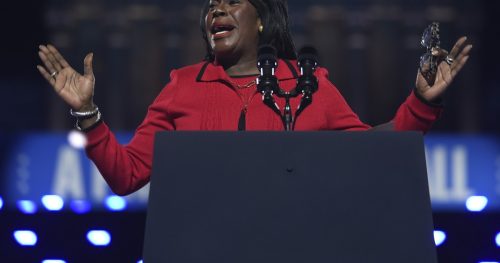
On the show, guest Ameshia Cross argued that modern suppression efforts came from Republicans, and she spoke with passion about courtroom challenges and alleged patterns. “I don’t want to hear anybody say that the REpublican Party has not gone out of its way to keep people who look like me away from the ballot box, because it’s painfully untrue. It is something that has been charged in the courts time after time, decade after decade,” she said. Her words reflected a common narrative, but Jennings pushed back with a different historical takeaway.
🚨 WOW! Mic drop moment from Scott Jennings after liberal claims on CNN Republicans try to STOP black people from voting 🫳🎤pic.twitter.com/zQvAWvgMFp
“Number one, has anyone ever personally tried to stop you from voting? Answer…no.”
“In this country, I hate to remind you of our…
— Eric Daugherty (@EricLDaugh) December 12, 2025
Jennings asked a pointed, simple question that shifted the tone of the exchange: “Number one, has anyone ever personally tried to stop you from voting? Answer: No,” Jennings said. The question was designed to move the conversation from broad accusations to tangible examples and personal experience. That approach underscored his argument that blaming an entire present-day party without weighing history and facts is misleading.
He reminded the audience that, historically, it was the Democratic Party that repeatedly resisted expansions of voting rights and enforced segregationist policies in many parts of the country. That reminder is uncomfortable, but Jennings used it to challenge the convenient shorthand politicians use today. He argued that history should inform current accusations rather than be used as a political cudgel.
Jennings also warned that what matters now is not just history but who will wield power and how they will use it going forward. “But the bottom line is Democrats are going to continue to be ruthless,” he said, continuing with a list of tactics he expects to see. He named gerrymandering and partisan attacks on institutions as the kinds of moves to watch if one party aims to entrench control.
He went on: “They’re going to continue to try to gerrymander. They’re going to continue to try to say the president’s delivering illegal orders to mess up our military.” Jennings framed these actions as part of a broader strategy to maintain influence through legal and political maneuvers. That view reflects a skeptical take on how power is pursued in modern politics.
Jennings doubled down on his central charge about who the more aggressive partisan actors have been: “Who knows what they’ll do in Washington from here on out. But the bottom line is Republicans tonight didn’t do this redistricting. Democrats are going to keep doing it. And if you’re looking for who the most ruthless, partisan players are, the Democrat Party.” His language left no room for ambiguity about his assessment of current tactics.
The exchange on CNN shows how debates about voting rights quickly become debates about narrative control. Each side reaches for history that supports its story, and viewers are left to decide which account rings truer. Jennings aimed to give viewers a longer view of party behavior so the present claims could be judged in context rather than accepted at face value.
The segment also illustrated a broader trend in media discussions, where flash points on cable TV are meant to sway audiences and frame the news cycle. Jennings chose to weaponize history against what he described as selective amnesia, forcing the conversation away from surface-level accusations. Whether viewers agree with his conclusions or not, the confrontation put a historical lens on a present political fight.
Editor’s Note: The Democrat Party has never been less popular as voters reject its globalist agenda.