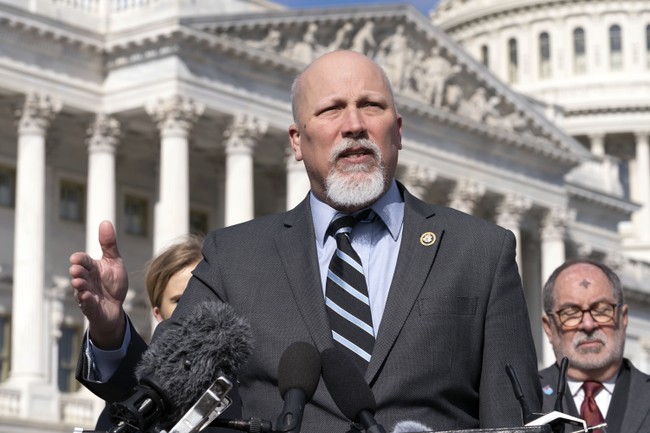
Texas Republicans launched a new caucus focused on pushing back against Sharia influence, advancing immigration and security measures, and building political and public awareness around what they call threats to Western values.
Two Texas Republicans announced the formation of the Sharia Free America Caucus to organize like-minded lawmakers around national security and cultural cohesion. The caucus frames its mission as defending Western civilization and the Constitution against legal and social movements they see as incompatible with American law. Leaders argue this is a preventive effort to stop threats before they grow into larger problems.
Rep. Keith Self and Rep. Chip Roy are the public faces of the effort, and they describe the caucus as both symbolic and practical. They plan to coordinate education, outreach, and legislative proposals that address what they perceive as risks tied to foreign legal systems and extremist influence. The tone is unapologetically defensive about preserving American institutions and values.
🚨BREAKING: @RepChipRoy and I have officially launched the Sharia Free America Caucus.
Sharia—which is fundamentally incompatible with the U.S. Constitution—has no place in America.
DEFEND THE WEST. BAN SHARIA. pic.twitter.com/W1yJpmX6X7
— Rep. Keith Self (@RepKeithSelf) December 18, 2025
“Anytime you go to a fight, you bring as many friends with you as you can. I’m a military guy,” Rep. Self said. He says building a coalition now makes it possible to start educating Americans about the perceived dangers he associates with Sharia in the United States. That straightforward framing reflects the caucus’s practical, security-first posture.
Sharia law, he added, is “fundamentally incompatible with the U.S. Constitution.” That line is presented as a legal and moral baseline for the caucus’s agenda, and it underscores why they want federal attention on the issue. For caucus members, incompatibility with constitutional norms is more than rhetoric; it is the reason they seek policy responses.
Rep. Roy has spoken in stark terms about the stakes, saying, “America is facing a threat that directly attacks our Constitution and our Western values: the spread of Sharia law.” His statement connects concerns about legal influence to immigration and national security, and it frames the caucus’s goals as defensive measures to protect communities. The language is intended to rally conservatives around a clear narrative of cultural defense.
Among the concrete proposals the caucus favors are bills that would bar foreign nationals who ‘adhere to Sharia’ from entering the United States and efforts to designate the Muslim Brotherhood as a terrorist organization at the federal level. Those legislative moves are aimed at tightening the criteria for immigration and at delegitimizing groups the caucus views as linked to extremist networks. Supporters characterize these proposals as commonsense security filters, not attacks on private religious practice.
Senator Tommy Tuberville has signaled willingness to assist with some legislative steps, showing that the caucus expects to seek allies beyond the House. That Senate interest gives the effort a footprint outside Texas and suggests members want to translate awareness into bills. The organizers emphasize the need for a coordinated federal response rather than leaving this solely to state governments.
The caucus also points to social problems in Europe as cautionary examples, citing unrest, rising crime, and cultural tensions in places like the U.K. and France as reasons to act early. Officials argue the United States should avoid replicating those outcomes by being proactive on migration, vetting, and cultural integration policies. Their argument blends security and cultural assimilation concerns into a single policy rationale.
Critics will call the caucus symbolic, and organizers acknowledge some measures may be largely political statements meant to shape public opinion and drive future bills. But leaders stress the organizational value: a coordinated caucus can educate voters, stage hearings, and put specific proposals on the congressional calendar. For members, building the coalition now is about preparedness and the ability to move fast on legislation when political openings appear.
The new grouping is aimed at conservatives who prioritize national defense, constitutional fidelity, and cultural continuity, and its founders are clear that they expect pushback. They plan to press their case through public events, legislative text, and alliances with senators and House members who share the same security-first instincts. Whether the caucus will produce sweeping statutory changes or mainly serve as a political signal remains to be seen, but its founders are treating it as a long-term organizing tool.