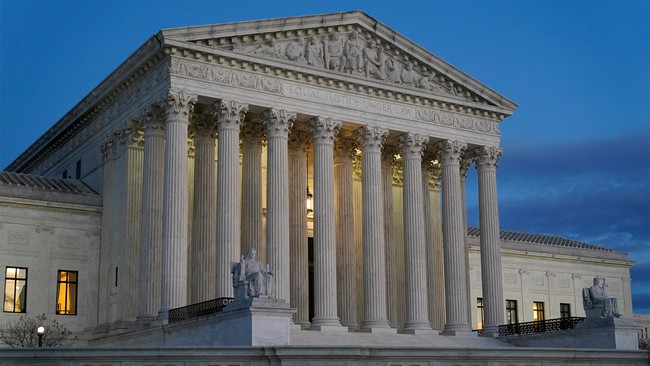
The Supreme Court denied the administration’s request to lift an injunction that blocked federal activation of Illinois National Guard troops, leaving a high-stakes dispute about presidential power and domestic military roles unresolved.
Heading into the holidays, the court refused to greenlight a move that the White House framed as necessary to protect federal personnel and property in Illinois. The decision leaves the practical deployment of Guard members constrained while the legal fight continues. That outcome matters for how future incidents involving federal facilities and mass protests are handled.
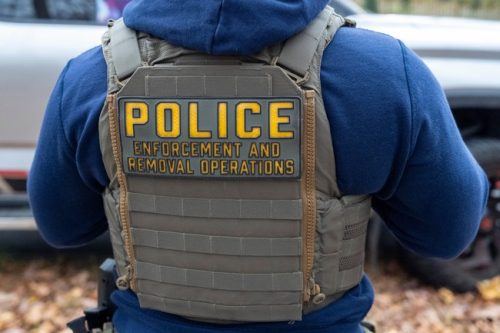
The case centers on an episode at an Immigration and Customs Enforcement facility in Broadview where officials described “frequent and sometimes violent protests, damaging federal property and threatening the safety of federal officers.” In response, the administration said the president “called 300 members of the Illinois National Guard into active federal service to protect federal personnel and property in Illinois, particularly in and around Chicago.”
At issue is a single legal phrase: what does the statute mean by “regular forces”? The Solicitor General argued the language justified federalizing the Guard to protect federal agents and facilities, while the court took a narrower reading focused on the military’s role. That textual fight is what produced the denial of relief.
The Supreme Court’s majority reasoned the term likely points to the regular forces of the United States military rather than to civilian officers like ICE agents. Because the statute “requires an assessment of the military’s ability to execute the laws, it likely applies only where the military could legally execute the laws.” The ruling stressed that the government failed to show the military itself could lawfully perform the functions the administration described.
The opinion also wrestled with the administration’s reliance on inherent constitutional authority to protect federal personnel and property. The government has long maintained those “protective functions” are distinct from “execut[ing] the laws,” and the court found an inconsistency between the administration’s justification and the statute’s text. The majority concluded the government “has not carried its burden to show that §12406(3) permits the President to federalize the Guard in the exercise of inherent authority to protect federal personnel and property in Illinois,” which is why the court rejected the request.
Justices Samuel Alito, Clarence Thomas, and Neil Gorsuch recorded a sharp dissent, warning the majority’s reading “adds new language to the text Congress enacted” and improperly narrows presidential authority. The dissenters argued the president’s tools should not be trimmed when urgent threats arise, saying the authority “should not be thwarted” when “the protection of federal officers from potentially lethal attacks” is at stake.
Gorsuch signaled a different approach, saying he “would decide this application narrowly” and avoid broad pronouncements about executive power. He emphasized the case raises “weighty questions” about the interplay of the Guard, the regular military, and domestic law enforcement that deserve careful treatment in future litigation.
The dispute grew out of a tougher stance on immigration enforcement by the administration and a nationwide wave of anti-ICE protests that sometimes turned confrontational. The White House framed deployments as necessary to protect agents and preserve public safety while allowing federal operations to continue. Supporters say that protection is a basic duty of the federal government.
🚨 In an apparent 6-3 vote, the Supreme Court has BLOCKED President Trump's deployment of the National Guard to Illinois, denying the government's application for a stay.
Justice Alito dissents joined by Thomas. Gorsuch dissents. Kavanaugh concurs. pic.twitter.com/JLfpjbaNxb
— SCOTUS Wire (@scotus_wire) December 23, 2025
Critics pushed back, saying the move risked militarizing responses to civil unrest and stepping beyond constitutional boundaries. The court’s decision to maintain the injunction reflects a cautious bar on how broadly the president can federalize the Guard for domestic protective missions. For now, the balance between protecting federal personnel and preserving limits on military involvement in civilian law enforcement stays unsettled.