Families of two men killed in a U.S. airstrike on a boat traveling from Venezuela to Trinidad have filed a wrongful death suit against the Trump administration, alleging extrajudicial killings while the administration argues the strikes are part of a campaign to stop narcotics bound for America.
The relatives of Chad Joseph and Rishi Samaroo say the men were killed after a U.S. strike on Oct. 14 and are seeking accountability in federal court. Their lawyers contend the strike violated the Death on the High Seas Act and the Alien Tort Statute, while the administration defends the operation as part of an effort to intercept drug shipments.
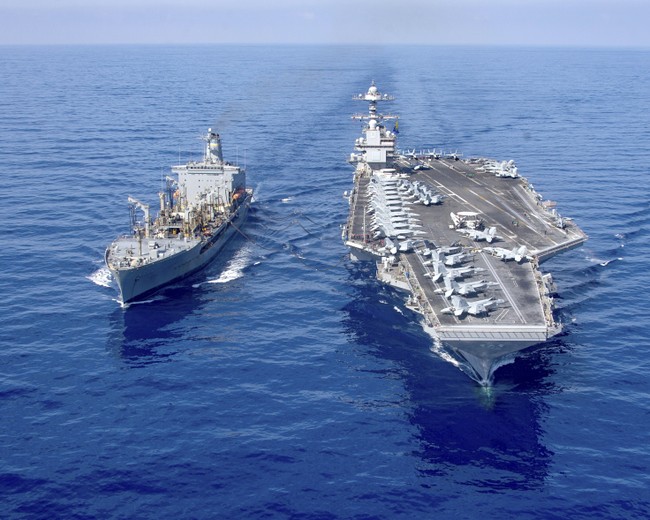
The strike took place amid a broader campaign the Trump administration launched to stop vessels it says were trafficking narcotics toward the United States. Officials have framed the operations as a necessary response to the fentanyl crisis and a way to keep dangerous drugs from reaching American streets.
Family members of two Trinidadian men who were killed in a U.S. strike on an alleged drug-smuggling boat in October sued the U.S. government Tuesday, accusing it of wrongful death and extrajudicial killings.
The lawsuit is the first of its kind to be filed against the Trump administration in federal court over its military campaign against alleged drug-smuggling vessels in the Caribbean Sea and the eastern Pacific Ocean.
Chad Joseph, 26, and Rishi Samaroo, 41, were killed in a U.S. military strike on Oct. 14 while they were on a boat traveling from Venezuela to Trinidad, their family members allege in the lawsuit. The lawsuit says Joseph and Samaroo “had been fishing in waters off the Venezuelan coast and working on farms in Venezuela.” It says they were returning to their homes in Las Cuevas in Trinidad and Tobago when their boat was struck.
Defense Secretary Pete Hegseth and President Donald Trump said the strike killed all six men on the boat. Trump described them as “six male narcoterrorists” and said that the boat was “affiliated with a Designated Terrorist Organization” and that it “was trafficking narcotics.” The strike was the administration’s fifth in a campaign that has struck three dozen boats and killed at least 125 people, according to the Defense Department, since it began in early September.
The families say they were not told their relatives had been killed and only learned after the men failed to return and did not respond to calls. They held memorial services after the strike, a process that raises hard questions about notification and transparency in combat-style operations far from American shores.
Legal teams from the ACLU are representing the plaintiffs and argue the strikes amounted to wrongful death and unlawful killings under U.S. statutes. That legal theory challenges the executive branch’s authority to use lethal force in maritime operations aimed at curbing the flow of illicit drugs.
Trinidadian Families File Wrongful Death Lawsuit Over Boat Strike by U.S. Military
The case tests the Trump administration’s argument that its extrajudicial killings of people suspected of smuggling drugs at sea have been lawful.https://t.co/cwpxDQ8tMx
— Charlie Savage (@charlie_savage) January 27, 2026
The administration started these airstrikes in September and says they target boats tied to drug trafficking networks that threaten American communities. The Defense Department has said roughly 36 strikes have been carried out in the campaign, which it says has disrupted shipments and targeted dangerous criminal actors.
Critics on the left and some on the right have pushed back, questioning whether strikes were launched without sufficient evidence or due process and warning about mistakes that cost innocent lives. Those concerns feed legal challenges and political pressure that may force more disclosure about how targets are identified and how civilian harm is assessed.
From the White House perspective, the strikes are blunt but necessary steps to stop the flow of fentanyl and other narcotics that kill Americans every day. Supporters argue that decisive action at sea is one of the few ways to disrupt international smuggling networks before drugs reach the U.S. market.
The lawsuit opens a new front in the debate over the proper balance between aggressive counter-narcotics operations and legal limits on lethal force. As the case moves through federal court, it will test how courts weigh national security and executive flexibility against statutory protections for people who die on the high seas.