The piece argues for full enforcement of immigration laws, defends ICE agents facing intense political attack, and points to violent incidents and new footage that its authors say justify aggressive removals.
The men and women of ICE are doing tough, dangerous work to arrest and remove people who threaten public safety, and they deserve clear support rather than smear campaigns. This piece takes a direct Republican view: enforcement is the path to order and protecting communities. It insists that rhetoric and obstruction from the Left have made agents’ jobs harder and put officers and citizens at risk. The call is unapologetic and blunt: enforce the law and remove those here illegally.
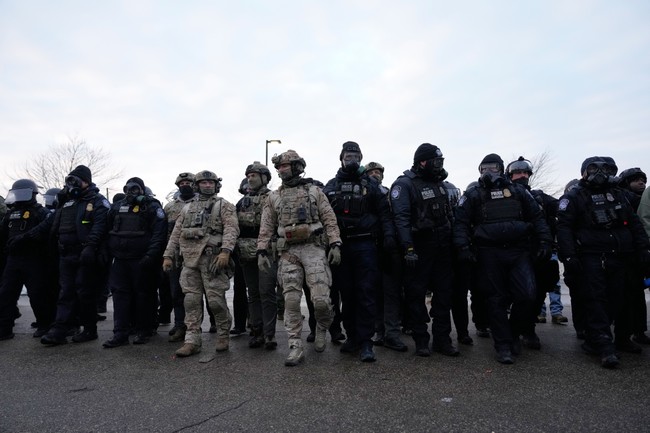
ICE officers are regularly on the front lines of violent and criminal cases, and that reality should shape policy and public conversation. When agents try to take dangerous people off the streets, they face obstruction from officials and activists in so-called sanctuary jurisdictions. That obstruction complicates routine operations and raises risks for both officers and the public they serve. Respecting law enforcement means backing lawful immigration enforcement when it targets violent offenders.
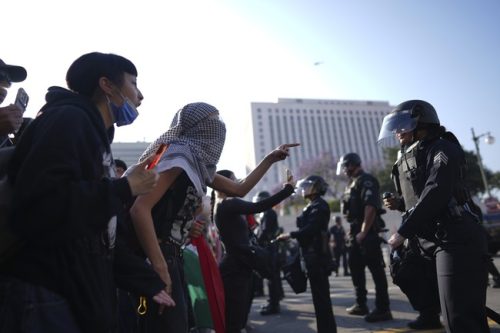
Mainstream left-wing outlets and Democratic politicians have used incendiary language against ICE, branding the agency with words like “Gestapo,” “Nazis,” “the SS,” “fascists,” and more. Those attacks are not just rhetorical; they fuel a political climate that encourages confrontation with federal officers. When officials trumpet resistance and block cooperation with ICE, they send a message that law enforcement action is illegitimate. That message puts agents in the crosshairs and undermines public safety.
That political firestorm has real human consequences, and the text points to two deaths tied to chaotic encounters: Renee Nicole Good and Alex Pretti. The claim is that hostile rhetoric, combined with policies that limit access to jails and police cooperation, helped create dangerous standoffs. In both cases, the article contends, individuals put themselves into situations that ended tragically—outcomes the piece attributes to a breakdown in respect for lawful operations. Those outcomes energize calls for stronger enforcement rather than retreat.
Video evidence is highlighted as crucial to understanding what happened in specific incidents; see the embedded footage below for the clip referenced in reporting. The footage is cited as showing Good striking an ICE agent with her car and Pretti inserting himself into law enforcement activity while armed—events portrayed here as clear public-safety risks. That material is offered to rebut narratives that frame officers as the sole aggressors and to show context the piece says the wider media have ignored.
Additional footage referenced in reporting allegedly shows Alex Pretti spitting at officers and kicking out the taillight of an official vehicle, behavior the article says contradicts portrayals of him as blameless. The piece notes a media silence on those clips while some outlets reportedly pushed narratives that minimized Pretti’s confrontations with law enforcement. That contrast is used to argue the public is not getting a full, honest accounting when incidents go viral. Accountability, the article insists, requires acknowledging aggressive behavior by civilians who escalate encounters.
The central demand is stark and simple: “Deport every single illegal possible.” This is framed as both a moral and practical imperative—removing people who violate immigration law deters crime, protects citizens, and upholds national sovereignty. From this perspective, halting enforcement or soft-pedaling removals in response to political pressure would be a dereliction of duty. The authors push a no-excuses approach to restoring order at the border and in interior enforcement.
Success, the piece argues, depends on refusing to be cowed by hostile rhetoric and on restoring cooperation between federal agents and local authorities. It contends that conservatives and the Trump administration must resist calls to restrain enforcement for fear of political blowback. Instead, the posture recommended is firm: continue operations, recognize wins, and enforce statutes to the fullest. That stance, the article maintains, is necessary to deter crime and to send a clear message that illegal entry and criminality will carry consequences.
Recognition of ICE’s work is presented as overdue in places where political leaders have sided with protesters over law enforcement. The article portrays many Democratic officials and sympathetic media outlets as amplifying false narratives that endanger agents and the public. It calls for a reframing of the debate around public safety and immigration, one that centers victims, facts on the ground, and the rule of law. In that reframed debate, enforcement and removals are not partisan punishments but tools to secure communities.
Ultimately, the writing stresses that law enforcement cannot be selectively supported; either the state enforces its laws or it concedes authority to chaotic, politicized pressure. The piece rejects concessions that would limit deportations or hamstring agents, arguing those concessions invite more disorder. From this Republican viewpoint, robust enforcement, clear political backing for ICE, and a willingness to remove violent and criminal illegal aliens are the straightforward remedies to the problems described.