A sharp, pointed critique argues that Hillary Clinton’s talk of “empathy” rings hollow when measured against decades of behavior, public moments, and political maneuvers.
I opposed Donald Trump in 2016 because I worried he couldn’t beat Hillary Clinton, a figure I had long disliked since the 1990s. Back then I thought a Clinton presidency would be a steady march of entitlement and recycled power, and I resented that our party struggled to nominate someone who could have stopped her.
Then the unexpected happened: Trump won, governed in ways I did not expect, and I voted for him in 2020 and again in 2024. With hindsight it’s clear 2016 was his to lose, largely because Hillary had become a symbol of Washington entitlement and offered little that felt fresh or relatable.
Her career reads like a string of positions handed to her: a Senate seat in New York she didn’t have deep roots in, a cabinet post given by an ally, and a presidential ambition that felt more like entitlement than earned leadership. She capped that attitude with a self-aggrandizing , a relic she still leaves in place as though it confirms her claim to moral authority.
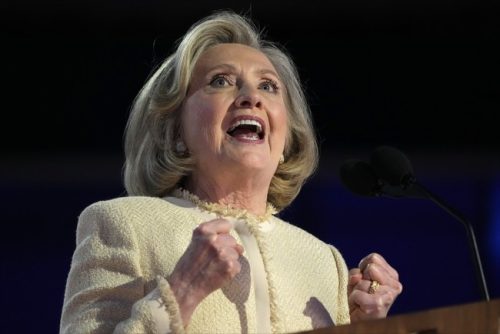
It’s remarkable Clinton used “empathy” in an Atlantic interview given the public record. Her political life often suggested a different instinct: protect power, manage narratives, and treat opponents and critics with disdain. When she talks about empathy, it reads as performance rather than conviction.
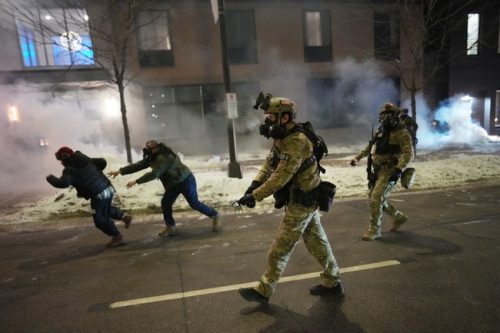
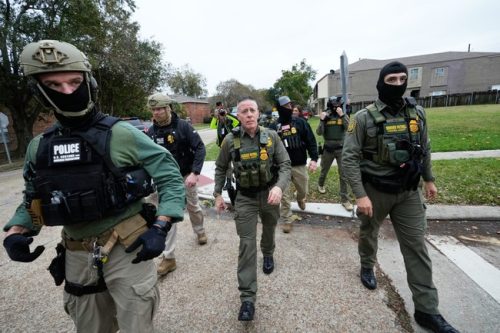
When I see brutality like we’ve all witnessed in Minnesota, I ask myself: Can I really find empathy for people who insist on dehumanizing others? I’m not sure, to be honest. I’m still working on it. I believe our hearts are big enough to hold two truths at once. We can see the humanity even in the worst of our fellow human beings and still fiercely resist tyranny and repression. We can stand firm without mirroring the cruelty of our opponents. These are dark days in America. To rekindle our light, we must reject cruelty and corruption. To be strong, we need more empathy, not less.
I’ll give her credit for the occasional honest line, but the overall record contradicts any straightforward claim to compassion. Time and again, Clinton stood beside power, even when that power hurt women and marginalized people she publicly claimed to champion.
This is a remarkable piece by @HillaryClinton on Trump, Christianity, and the importance of empathy: https://t.co/YBP7tXC9o0 pic.twitter.com/eKijX3Exru
— nxthompson (@nxthompson) January 29, 2026
Hillary was always with the sisterhood, except when one of the sisters piped up about Bill having sex with her or grossly mistreating her, in which case Hillary was with the patriarchy — i.e., her powerful, entitled husband — all the way.
It wasn’t a Clinton enemy that came up with the phrase “bimbo eruption,” but an ally and friend, Betsey Wright. The word “bimbo,” by the way, says it all about the contempt Clinton World had for women with the poor judgment to succumb to Bill’s wiles.
According to journalist Michael Isikoff, the Clinton campaign in 1992 spent $100,000 on private-detective work related to women. The approach, when rumors first popped up, was to get affidavits from women denying affairs — the reflex of most women is to avoid exposure — and, failing that, to use any discrediting tool at hand.
Hillary was fully on board. When a rock groupie told Penthouse in late 1991 that a state trooper approached her on Gov. Clinton’s behalf, Hillary said “we have to destroy her story.”
When the Star tabloid reported that Clinton had affairs with five Arkansas women, including Gennifer Flowers, the Clinton campaign waved affidavits signed by all them denying it. (This is what Clinton had advised Flowers to do in a taped conversation.) Then, Flowers admitted to an affair, saying it had lasted 12 years.
In response, Hillary did the famous “60 Minutes” interview with Bill, sitting by him as he delivered a lawyerly denial of the 12-year allegation specifically (he later admitted having sex with Flowers once). Hillary joined the strategy sessions over what verbiage to use in the interview.
That history is why her public moralizing about empathy lands as tone-deaf to many people, especially those outside the D.C. bubble she inhabits. Calling half the country “deplorables” and then calling some voters “irredeemable” did not come off as empathy; it read as scorn dressed up as moral clarity.
She’s also argued for heavy regulation of social media and suggested penalties for those who spread what she called propaganda online. That line of thinking leads toward criminalizing speech in ways Americans should find worrying.
Her suggestion that Americans might face civil or criminal charges for online propaganda was floated in public remarks and interviews, and defenders of free speech rightly pushed back. Free expression is messy, but a demand to punish political speech signals a preference for control over discourse.
She doubled down on these themes in TV appearances, at times praising enforcement and penalties as deterrents rather than recognizing how such laws can be abused. Calls for civil or criminal charges against fellow citizens over ideas are not the language of humility or empathy.
And yet she meets with foreign leaders who preside over harsh regimes, and she does it with the same measured tone she reserves for American critics. That inconsistency—comfort with power abroad, contempt for dissent at home—exposes the gap between her words and actions.
There’s a photo-op memory that says more about her attitude than any interview does: a visit to an ordinary American’s apartment where her expression looked like she’d landed on a different planet. That moment has circulated precisely because it captured a real disconnect.
Her body language in those encounters shows someone uncomfortable among people who live outside elite circles. To Clinton, many regular Americans have been props, not constituents, and that distance undermines any claim that she intuitively understands their lives.
When she names opponents as the worst of humanity or insists our response must always be moral superiority, it’s hard to take her calls for empathy seriously. Empathy requires listening to people you disagree with, not writing them off as irredeemable.
She has every right to her views, but she does not get to demand moral corrective from others when her career shows a pattern of protecting power over people. If empathy is the test, her record fails that exam.