The Texas attorney general secured a legal settlement that forces Colony Ridge developers to pay $68 million in penalties and fund stronger local immigration enforcement and infrastructure improvements.
The settlement requires developers behind the sprawling Colony Ridge community to pay $68 million, money that will go toward partnerships and enforcement efforts aimed at curbing illegal immigration in the area. Texas officials say the funds will be directed into local initiatives that strengthen policing, record-keeping, and coordination with state immigration authorities. This legal outcome follows long-running concerns about uncontrolled growth and lax practices that critics say invited illegal migration into the neighborhood.
The agreement also compels Colony Ridge to build a dedicated law enforcement center inside the community, upgrade basic infrastructure, and halt new platting for three years while reforms take hold. Lenders and sellers face strict new rules under the settlement, and developers have agreed to require valid identification before completing future property sales. Supporters of the deal say these steps will slow the neighborhood’s explosive expansion and restore basic accountability.
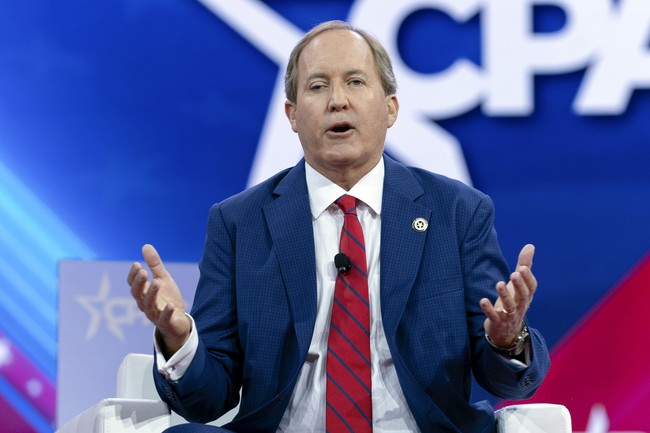
BREAKING: I secured a major victory stopping Colony Ridge's illegal alien haven and forcing the developers to pay $68 million in penalties.
Under my watch, Texas will never be a sanctuary for illegals. pic.twitter.com/WQMS9L5zPG
— Attorney General Ken Paxton (@KenPaxtonTX) February 10, 2026
“Under my watch, Texas will never be a sanctuary for illegals,” Paxton said of the settlement in a press release. “Colony Ridge endangered American citizens by allowing illegal aliens to run rampant on its streets, in its schools, and in its community. Now, it’s time for those responsible to pay a steep cost for their unlawful actions. My office will continue to bring the full force of the law against anyone who threatens the safety of our state or creates a safe harbor for illegals.”
Colony Ridge, outside Houston, became one of the fastest-growing developments in the country, driven in part by aggressive Spanish-language marketing that critics say targeted people living in the country illegally. That rapid growth strained local services and left residents and first responders scrambling to cope with higher demands for schools, roads, and public safety resources. The settlement is intended to reverse those incentives and require the developer to shoulder some of the burden created by the boom.
Beyond the penalties and physical improvements, the agreement puts legal and financial pressure on the developer to change business practices that allegedly encouraged sales to buyers without proper documentation. State officials framed the deal as a clear warning to other operators who might try similar tactics elsewhere in Texas. The new lending and sales standards were negotiated to cut off the easy pathways that critics say let illegal residents settle into the community without proper scrutiny.
The action against Colony Ridge came alongside another move by the attorney general to rescind a legal opinion tied to a prominent Senate primary opponent, which had opened the door to occupational licenses for some noncitizens through administrative workarounds. Paxton said pulling back that opinion restores common-sense protections for Texan workers and ensures that occupational licensing remains tied to lawful presence and state standards. Supporters argue the step safeguards Texans’ jobs and maintains integrity in professional licensing.
Handling Colony Ridge has become a focal point in Texas conservative politics, and the settlement is being framed as a tangible policy victory for officials who favor strict immigration enforcement. With the Mar. 3 primary approaching, proponents of the tougher approach are pitching the outcome as proof the state can stop exploitative schemes and put communities first. Opponents may still litigate aspects of the settlement, but for now the changes are set to take effect and reshape how the development operates.
Local leaders and law enforcement will soon test whether the new center and stricter rules actually reduce illegal activity and improve service delivery in the neighborhood. The coming months will be critical as contractors and regulators implement infrastructure upgrades and as the moratorium on new platting takes effect. If the settlement works as intended, it will set a precedent for holding developers accountable when their practices create public safety and public services problems.
For Texans watching the issue, the case sends a straightforward message: businesses that profit from lax verification and aggressive recruitment of undocumented residents can be forced to make reparations and change how they operate. State officials say the settlement blends enforcement with practical fixes to protect neighborhoods, schools, and local taxpayers going forward.