House Republicans are pressing D.C. Water for documents and answers after a massive January rupture of the Potomac Interceptor that dumped untreated sewage into the Potomac River, and they’re raising questions about known risks, emergency contracts, leadership ties, and the political reaction to the spill.
Lawmakers are demanding clear records about one of the largest sewage overflows in U.S. history that happened near the nation’s capital. The incident has prompted a formal request for documents tied to the failure and the decisions made before and after the collapse.
A Feb. 20 letter from committee leaders targets D.C. Water’s CEO and General Manager, David Gadis, seeking details about the Jan. 19 rupture of the Potomac Interceptor. That 54-mile sewer line normally carries about 60 million gallons of wastewater each day and serves a swath of the Washington region.
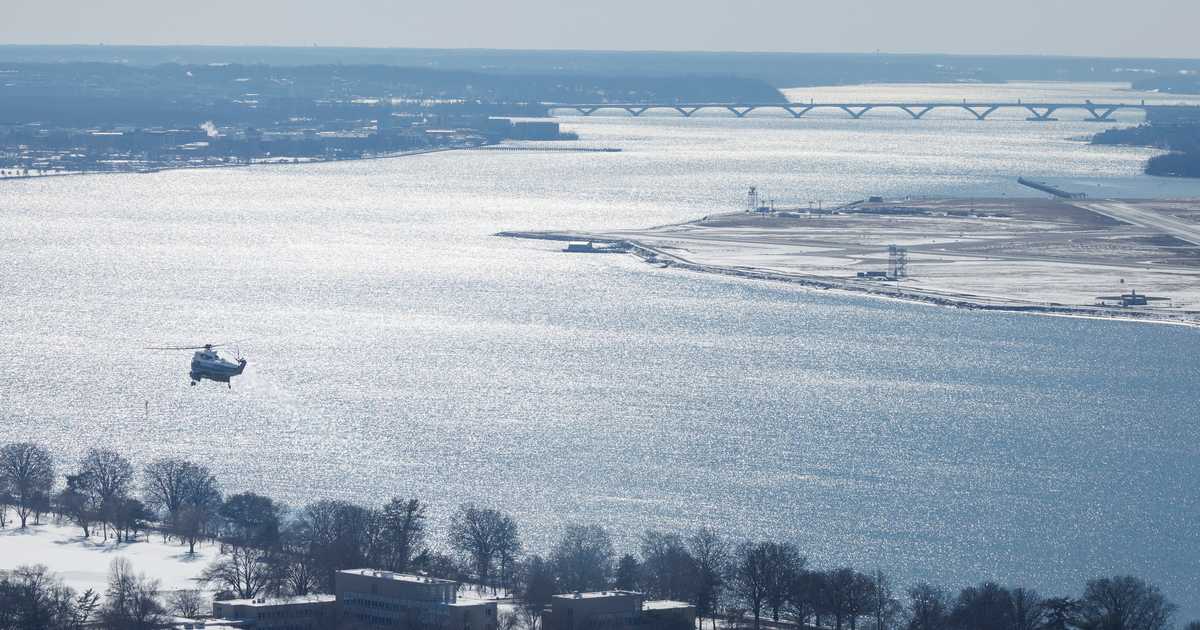
The failure occurred along the Clara Barton Parkway and allowed untreated sewage to flow from the C and O Canal National Historic Park in Montgomery County, Maryland into the Potomac River. The D.C. water authority has said the collapse released about 243 million gallons of sewage into the river.
The congressional letter is signed by Republican Rep. Brett Guthrie, chairman of the Committee on Energy and Commerce, Rep. John Joyce, chairman of the subcommittee on Oversight and Investigations, and Rep. Gary Palmer, chairman of the subcommittee on Environment. The lawmakers asked for documents showing what D.C. Water knew about the line’s condition and what drove the agency’s decisions before the break.
According to the letter, D.C. Water approved an emergency contract worth $44 million in May 2025 for work related to that same sewer line, a fact that raises questions about whether the authority truly appreciated the risk. The lawmakers want to know why emergency fixes didn’t prevent the catastrophic collapse and how those emergency funds were used.
David Gadis took the helm at D.C. Water in 2018 after a career that included time at Veolia North America, a company later connected to a $53 million settlement tied to the Flint Water Crisis. Lawmakers are probing whether management decisions, procurement practices, or prior contractor relationships had any role in how the situation unfolded or how quickly it was addressed.
Documents and public materials tied to the congressional inquiry were cited in the original reporting and in the Feb. 20 letter to D.C. Water.
On Feb. 18, Washington D.C. Mayor Muriel Bowser declared a local public emergency and requested federal assistance and funding to address the spill and its aftermath. The declaration acknowledged the scale of the contamination and the need for coordinated cleanup and public health response.
The massive sewage spill shows the hypocrisy of the Left. Democrats push paper straws that don’t work to reduce landfill waste and want to ban plastic bags. While Democrats complain that cow farts will eventually kill us through climate change, they mostly ignored and downplayed this massive sewer spill.
If this were an oil spill, Democrats would be live-streaming by the river since Jan. 19. But this environmental disaster doesn’t fit their playbook, so it’s (D)ifferent. That contrast has driven Republican criticism that political theater, not consistent environmental stewardship, often guides the party’s reactions.
POOTOMAC CALAMITY UPDATE: It's not just the incompetence in the slow/lackluster response from DC Water that is problematic… but also leadership's laughable lack of proactivity or knowledge of the pipeline's condition before it ruptured. https://t.co/7a3m9zyRYs
— Spencer Brown (@SpencerBrown) February 21, 2026
The timing is politically sensitive: the spill precedes America’s 250th birthday, an event expected to draw millions of visitors to the Capitol and surrounding areas. Officials now have to manage not only environmental cleanup and repairs, but also the optics and safety concerns that come with a national celebration on the horizon.