Lawmakers spar over election security after the House passed the SAVE Act and prominent Democrats admit they can’t find their birth certificates.
The U.S. House approved the SAVE Act on Feb. 11, a bill that would require documentary proof of U.S. citizenship when registering to vote in federal elections. Supporters say it closes a basic verification gap; opponents say it risks disenfranchising voters who lack easy access to paperwork. The argument has become a flashpoint that mixes policy with political theater.
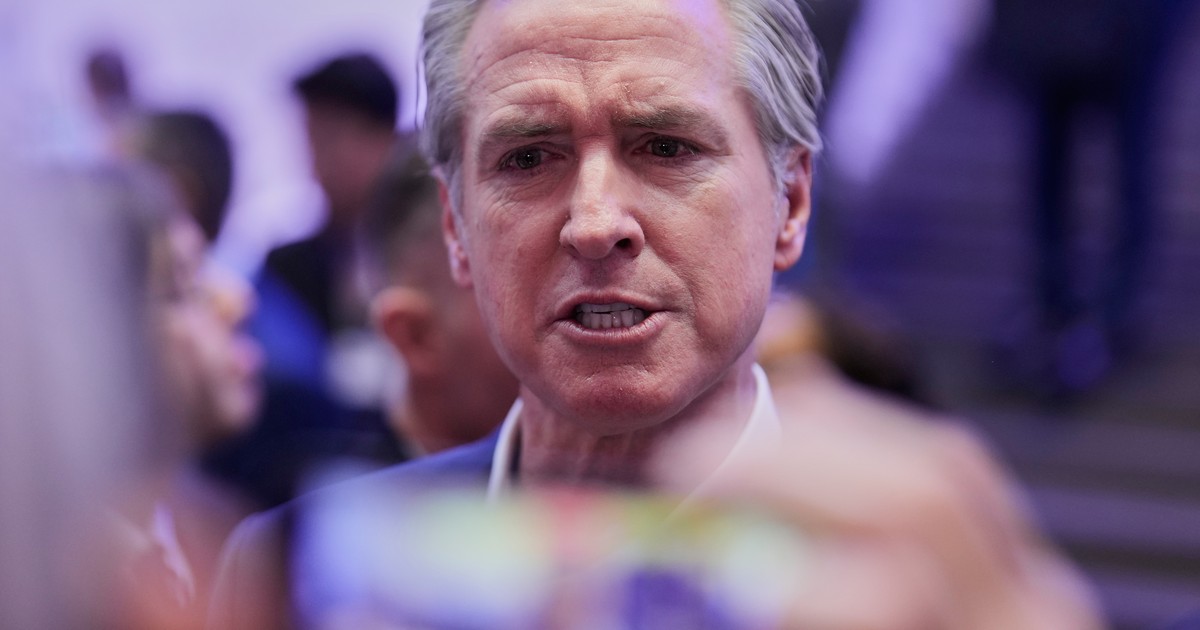
California Governor Gavin Newsom told reporters that he doesn’t know where his birth certificate is, a comment that undercut Democratic criticism of the bill. His admission landed in public debate because the SAVE Act hinges on simple documents many politicians treat as mundane.
Senator Bernie Sanders, I-VT, made a similar claim, saying he also does not know where his birth certificate is, which fueled conservative commentary about standards and accountability. Those remarks were replayed by critics who argue that lawmakers should not dismiss basic identification when asking voters to verify eligibility.
Most Democrats oppose the SAVE Act and frame it as an effort that would disproportionately affect minorities and women who change their names after marriage. That concern is understandable in theory—name changes and paperwork hurdles can be real barriers for some citizens. At the same time, opponents often gloss over the fact that government agencies already issue replacement documents and certified records for people who need them.
Gavin Newsom tells Jim Clyburn that he’d have trouble complying with the SAVE Act because he doesn’t know where to find his birth certificate:
“You've got to find your birth certificate. I have no clue where mine is."
Good lord. Just beyond parody. pic.twitter.com/mQZqQSXPVF
— Western Lensman (@WesternLensman) February 19, 2026
The purpose of the SAVE Act, as its backers explain it, is to stop noncitizens from casting ballots in federal elections. Democrats frequently insist illegal voting is not a systemic problem, yet prosecutors have charged and convicted noncitizens who voted in past contests in multiple jurisdictions. Those cases show vulnerabilities that opponents of the bill prefer not to emphasize during a political season.
The debate has exposed contradictions in how identification is treated in practice. New York City Mayor Zohran Mamdani asked residents to sign up to help shovel snow for a storm, but required multiple forms of ID for volunteers—an example critics used to accuse Democrats of hypocrisy when they denounce voter ID requirements as discriminatory. The episode underlines how ID rules are enforced unevenly depending on the context.
Arguments about paperwork and access miss a larger point for many voters: elections need public confidence. Requiring documentary proof of citizenship is, to supporters, a straightforward verification step designed to protect that confidence without changing who is eligible to vote. Opponents see risk in any new rule that adds a hurdle, and the tension between accessibility and integrity drives the legislative fight.
The partisan response is predictable. Democrats emphasize potential harms to marginalized groups and highlight anecdotes about lost papers, while Republicans press the message that preventing even a small number of illegal votes matters for the rule of law. That clash of priorities has turned a technical fix into a cultural battle about trust and competence in government.
What happens next will depend on state-level systems, court challenges, and how political pressure shapes implementation details. Lawmakers on both sides are framing the issue in broad moral terms, but voters will notice whether proposals actually make registration harder or simply formalize checks that other public services already require. The discussion is likely to stay loud as campaign season ramps up and election integrity becomes a centerpiece of messaging from both parties.