Mexican cities erupted in chaos after Mexican forces killed Nemesio Oseguera Cervantes, known as El Mencho, sparking violent reprisals from the Cartel Jalisco Nueva Generacion and prompting shelter-in-place orders and regional travel disruptions.
Smoke and fires were reported across multiple Mexican cities after security forces conducted an operation that killed Nemesio Oseguera Cervantes, the leader of CJNG. The scene quickly became volatile as organized criminals reacted with coordinated violence instead of surrender. Local authorities scrambled to regain control while civilians were caught in the middle.
Reports say CJNG warned people in Guadalajara to stay indoors or face brutal consequences, and the group carried out brazen attacks on infrastructure and transport hubs. Eyewitnesses described armed men storming airports and exchanging gunfire with Mexican security forces. The cartel also set up roadblocks across several states, complicating emergency response and movement for residents.
Looks like Mexico (possibly with US support) just took out the head of CJNG cartel and the cartel is responding by attacking Puerto Vallerta – deep within CJNG territory
— Jack Posobiec (@JackPosobiec) February 22, 2026
Airlines suspended flights into Puerto Vallarta temporarily as the unrest spread and airports became unsafe. American citizens in affected areas were told to shelter in place while officials assessed the security situation. Those on the ground faced uncertainty and a sharp spike in danger until order could be restored.
Beyond immediate attacks, CJNG issued threats to forcibly enter homes and hotels if their demands were not met by a 5:00 PM deadline, raising fears of mass displacement and targeted searches. Such threats highlight how criminal organizations exploit chaos to terrorize civilians and try to control towns. The instructions forced families to choose between confinement and attempted escape in unsafe conditions.
Open source investigators and social media analysts argued that El Mencho’s takedown may have involved U.S. assistance, a claim that drew quick attention across Washington and Mexico City. CBS News has confirmed that a Pentagon task force “played a role” in the operation, according to reporting that cited U.S. officials. Sources say that the task force provided intelligence to Mexican security forces ahead of the strike, which aligns with long-standing U.S. efforts to disrupt narco networks.
The United States had earlier offered a $15 million reward for information leading to El Mencho’s capture or death, underscoring his designation as a top international target. U.S.-Mexico cooperation on high-value cartel targets has been part of broader counter-narcotics strategy for years. The death of one leader does not guarantee the end of a cartel, but it is a significant blow to CJNG’s command structure.
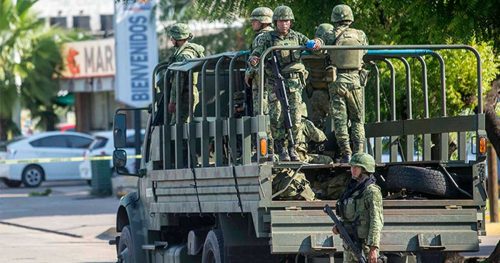
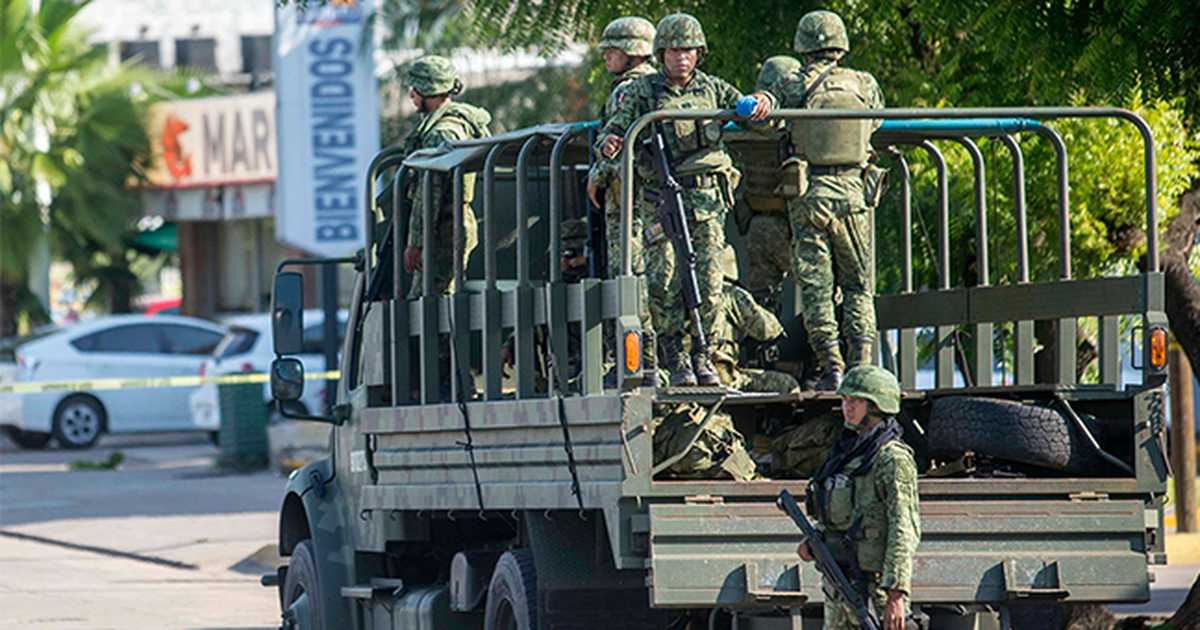
Despite the operation’s tactical success, the immediate aftermath exposed gaps in Mexican capacity to protect citizens when cartels retaliate with overwhelming force. Scenes of convoys and roadblocks showed how quickly cartels can challenge state authority in parts of the country. That reality should push responsible leaders to prioritize security and back effective, accountable strategies that protect borders and people alike.
Reports indicate at least one major CJNG leader appears to have been captured in the broader operation, a development authorities described as important to dismantling the group’s networks. Still, leaders and foot soldiers can splinter into violent factions, risking prolonged instability across regions. Ending cartel power will take sustained pressure, intelligence sharing, and law enforcement cooperation, not rhetoric alone.
For now, communities are dealing with the immediate human toll: disrupted travel, shuttered businesses, and terrified residents trying to stay safe while officials work to restore order. The violence underscores how organized crime can erode governance and threaten everyday life, and it highlights why firm, practical policies to secure borders, strengthen local law enforcement, and deepen international cooperation matter. The situation remains fluid, and authorities on both sides of the border will be watching how Mexican security forces move from crisis response to sustained stabilization.