Byron Donalds criticized New York’s mayor over promises of free buses and government grocery stores, warning those ideas clash with a strained city budget and practical realities.
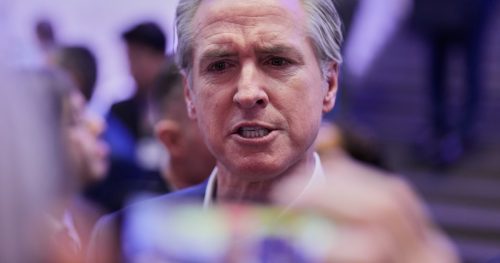
Florida U.S. Republican Rep Byron Donalds (FL-19) took aim at New York City Mayor Zohran Mamdani during a CNN interview with Laura Coates, calling the proposals unrealistic. He argued that some campaign promises sound good on the stump but fall apart when officials face the actual bills and logistics. Donalds framed the debate as a matter of fiscal common sense versus fantasy proposals that shift costs onto others.
Donalds did not mince words in the interview. “The man wants to create government-run grocery stores,” Donalds said. “He wants free transportation, both of which are impossible to do.”
He added another blunt line about the political theater around such plans. “I don’t need to undermine his policies. His policies undermine themselves.”
Coates told Donalds that Mamdani is a Democratic Socialist, not a Communist, and pressed him on the differences. Donalds pushed back with a longer critique, insisting these ideas have failed where tried. “Tell me where they’ve ever worked. They’ve never worked.”
Donalds kept the pressure on Mamdani’s pitch, arguing voters are being sold promises they cannot keep. “He knows that. I know that. What he’s trying to do is promise everybody something that they can’t have.”
He wrapped his critique with a blunt, vivid warning about practical breakdowns under no-fee systems. “And the truth is, there is no free lunch, just like there’s no free bus. Because you know what happens when you have a free bus: There’s nobody there to fix it or drive it.”
During his campaign, Mamdani pledged to push prices down for New Yorkers and floated free buses and grocery stores as part of that effort. Those promises collided with reality once budget planning began and trade-offs surfaced. A mayor’s office can announce programs, but the checks still need to clear somewhere in the ledger.
CNN's Laura Coates: "[Mamdani] is not a communist, he's a democratic socialist."
Byron Donalds: "Explain what the difference is."
Coates: "Communism is a trigger word"pic.twitter.com/DLc05TVNCj
— Defiant L’s (@DefiantLs) February 22, 2026
Within months of taking office, Mamdani proposed a $127 billion budget that increases spending by $14 billion. Instead of trimming spending, his plan points to tax hikes as the fix, with a stated focus on raising property taxes and other levies on the wealthy as the primary answer.
New York City Council Speaker Julie Menin and Council Member Linda Lee, Chair of the Committee on Finance, openly opposed the proposed budget. “At a time when New Yorkers are already grappling with an affordability crisis, dipping into rainy day reserves and proposing significant property tax increases should not be on the table whatsoever,” they said in a statement. “The Council believes there are additional areas of savings and revenue that deserve careful scrutiny before increasing the burden on small property owners and neighborhood small businesses, which could worsen the affordability crisis.
The administration also leaned on one-time reserves to make the numbers work.
The city applied $980 million from the city’s Rainy Day Reserve Fund in fiscal year 2026 and $229 million from the Retiree Health Benefit Trust in fiscal year 2027 to balance the budget as legally required. That use of one-time sources reduces a cushion for future shocks and raises questions about sustainability in the next downturn.
New York City Comptroller Mark Levine warned the city faces serious strain and warned against relying on permanent tax hikes or drawing down reserves to paper over structural problems. He said the city is under the “greatest fiscal strain” since the Great Recession and cautioned that short-term fixes can create long-term vulnerability.
Levine summed up the fiscal danger in stark terms: “To rely on a property tax increase and a significant draw-down of reserves to close our gap would have dire consequences. Our property tax system is profoundly unfair and inconsistent, and an across-the-board increase in this tax would be regressive. Drawing down reserves during a period of economic growth would leave us vulnerable to economic turbulence next year.
Levine continued: “We are left with no easy options. But to avoid the harm of increasing property taxes and drawing down reserves, we need to find greater efficiencies and savings across New York City government and reconfigure programs that are growing at an unsustainable rate. We also undoubtedly need greater assistance from Albany, to further rectify the years-long funding imbalance between the City and the State.”
Levine said he will release an updated financial analysis on March 11, which will add more detail to the choices facing city leaders. The coming report will test whether political promises line up with fiscal reality and whether leaders can find practical solutions without saddling taxpayers or draining reserves.