Sen. Bernie Moreno, R-Ohio, has proposed the Stopping Transfers of Public Funds Abroad Act to block public assistance recipients from wiring money overseas and to penalize nondisclosure, and his attempt to advance the measure by unanimous consent was halted by Senate Democrats.
Senator Bernie Moreno introduced the Stopping Transfers of Public Funds Abroad Act to force anyone sending international wire transfers to certify they are not receiving public assistance. The bill would impose a $100,000 fine on any individual who knowingly fails to disclose receipt of public benefits before sending remittances. Moreno framed the measure as a way to protect U.S. taxpayers from subsidizing transfers that leave the domestic economy.
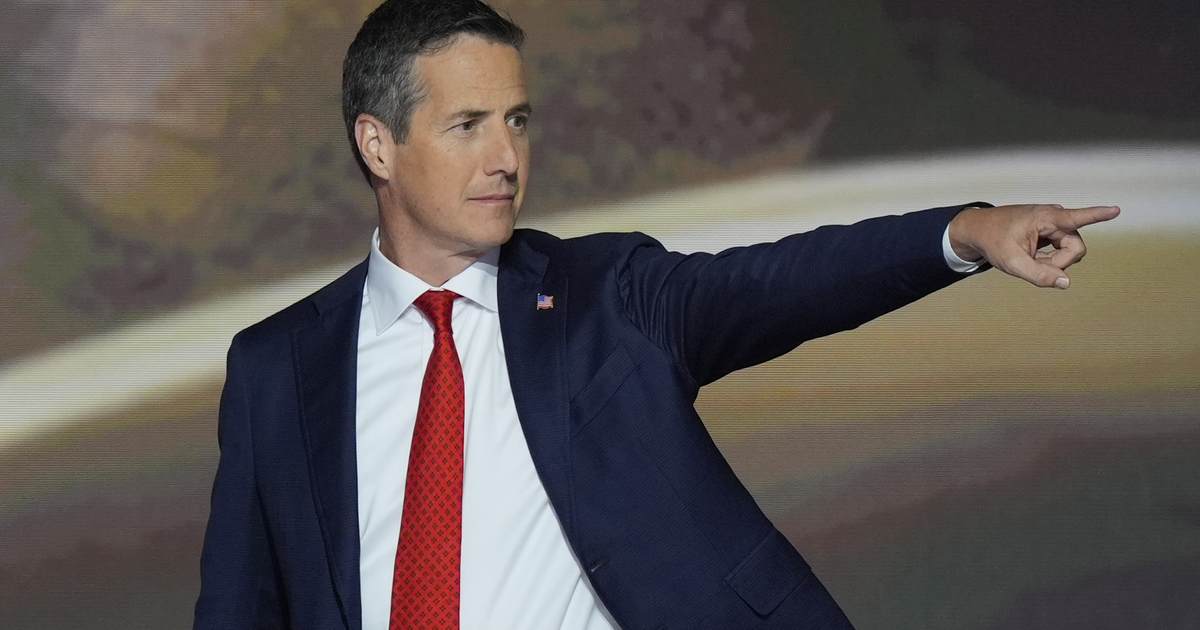
On the Senate floor, Moreno tried to press the bill forward by unanimous consent, but Democrats objected and Senator Wyden stepped in to block the move. That intervention prompted a sharp response from Moreno, who criticized the opposition for preventing the measure from getting a straightforward vote. The procedural struggle made the clash over remittances and welfare policy public and partisan.
The proposal is meant to stop people from collecting U.S. welfare payments and then sending that same money offshore, a point Moreno emphasized repeatedly. Supporters call it a common-sense guardrail to ensure public benefits are used domestically rather than routed out of the country. Opponents raise concerns about civil liberties, privacy and the administrative complexity of enforcing such certifications.
🚨BOOM—@berniemoreno just BURNED Democrats for choosing ILLEGALS over AMERICANS.
"When you've been here for 30 years in Washington, DC, you think it's perfectly NORMAL for government to provide AID to those in need & then have those poeple send that money OVERSEAS…… pic.twitter.com/i1o3YXII7g
— Townhall.com (@townhallcom) February 25, 2026
Independent research cited by proponents places the scale of remittances from the U.S. at very large levels. One estimate notes at least $200 billion is sent annually from the U.S. to roughly 134 other countries, which proponents argue represents a substantial outflow of purchasing power that is no longer circulating in American communities. That dollar volume, they say, underscores why lawmakers are debating rules tied to welfare receipt and cross-border transfers.
The distribution of those remittances is heavily concentrated in a handful of countries, with the top recipients by 2021 numbers listed as: Mexico ($52.6 billion), India ($15.8 billion), Guatemala ($14.7 billion), the Philippines ($12.8 billion), and China ($12.7 billion). When large sums leave the U.S. economy in that way, advocates contend the lost consumer spending and investment can undercut local businesses and tax bases. Critics counter that many remittances support families and basic needs overseas and that cutting access or imposing civil penalties could have unintended humanitarian effects.
There are also security and policy worries about where remitted funds ultimately land and who might benefit from them. Some analysts warn that untracked transfers can be diverted to criminal enterprises or cartels, while other recipients are simply households relying on money to cover essentials. In addition, U.S. remittances are reported to make up around 20 percent of GDP for certain Central American countries, including Honduras and El Salvador, which highlights how dependent some economies are on money sent from stateside workers and residents.
Moreno put the issue bluntly in a news release, arguing that the current system enables abuse and that taxpayers deserve better protections. “For decades, Washington’s failed welfare program rewarded dependency while enabling fraudsters and criminals to exploit the system to take advantage of American taxpayers,” Moreno said in a news release. “If an individual has enough cash to send money overseas, they have no business taking welfare benefits from hardworking Americans. The abuse ends now.”
Practical questions about the bill include how officials would verify benefit status, how certification would affect banks and money transfer companies, and what safeguards would protect innocent users of remittance services. The $100,000 penalty Moreno proposes is intended to deter false certifications, but it also raises debate over proportionality and enforcement. Legal experts and privacy advocates warn that tying financial transfers to benefit checks could create paperwork backlogs and data-sharing demands that complicate both banking and welfare administration.
The political fight over this measure is likely to continue, with Republicans pitching it as necessary protection for taxpayers and Democrats warning of overreach and potential harm to immigrant families and low-income households. Expect further hearings, amendments and public argument as lawmakers try to balance fiscal responsibility, enforcement practicality, civil liberties and humanitarian considerations while deciding whether such a certification regime belongs in federal law.