The U.S. launched strikes on Iran overnight, setting off sharp divides in Washington and on the streets, with conservatives praising decisive action against a repressive regime and many on the Left condemning it as escalation; the reactions expose longstanding tensions over how America confronts threats, how opponents view President Trump, and how the West interprets repression in Iran.
I woke up at 2 am to news that the U.S. had struck targets in Iran, and for many conservatives this was a long-awaited response to years of Iranian brutality. For decades Iran has ruled its people under a harsh theocracy and backed violent proxies across the region. Those facts frame how many Americans see these strikes.
Officials reported that for the first 12 hours of the campaign, “there have been no American casualties,” which supporters touted as proof of competent planning and execution by Defense Secretary Pete Hegseth and the military. That point matters politically because it undercuts claims that the strikes were reckless or poorly handled. It also shaped immediate reactions in media and on Capitol Hill.
On the other side, New York City Council member Zohran Mamdani called the operation “a catastrophic escalation in an illegal war of aggression.” Critics went further, accusing President Trump of being “too mentally incapacitated to realize that we had a diplomatic agreement with Iran that was keeping its nuclear program in check.” Those lines have become the focus of heated back-and-forths across partisan media.
Let’s be clear about the deal claim: the earlier agreement with Iran did not eliminate its threats and critics say it merely delayed or obscured dangerous capabilities. Many conservatives view the prior policy as appeasement that let Tehran grow bolder. That history feeds into why the strikes felt to some like corrective action rather than provocation.
https://x.com/SenTimKaine/status/2027730745905569879?s=20
Some Republicans raised war powers concerns, with Thomas Massie labeling the attacks “acts of war unauthorized by Congress,” invoking the 1973 War Powers Resolution. That legal debate is real and ongoing, but it sits beside a broader strategic argument about how to deter a regime long tied to violence. The disagreement between constitutional process and immediate security action is a recurring tension.
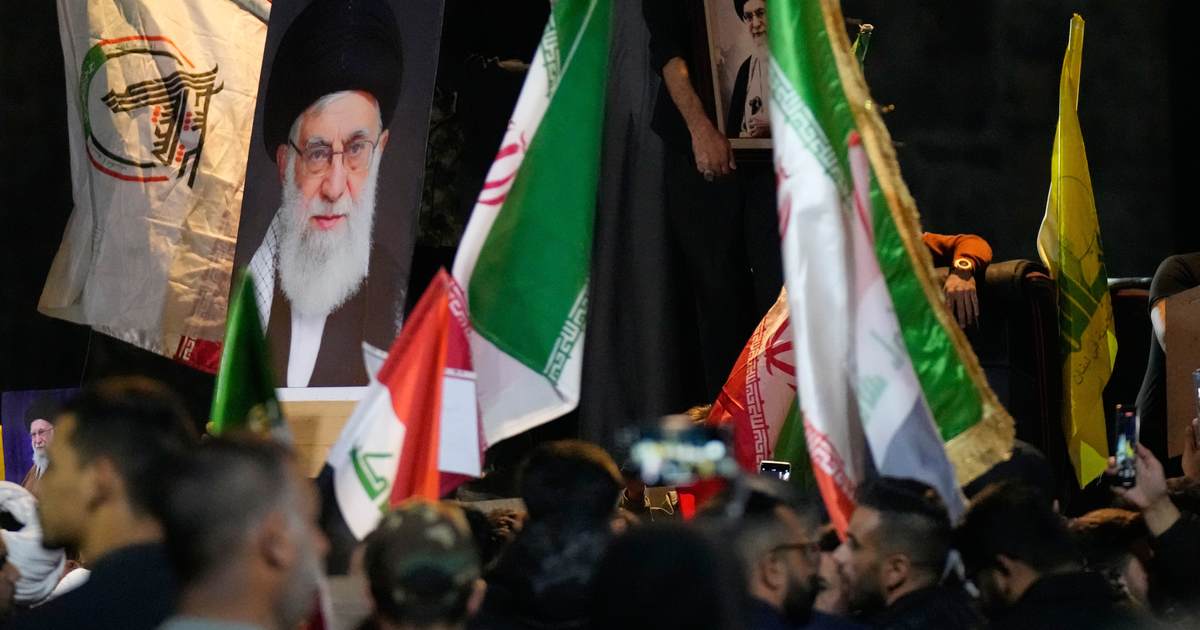
Street protests appeared in New York and Washington with signs reading “Hands Off Iran!” and an array of professionally produced placards. Many of those demonstrations echoed old anti-war scripts that oppose military force in almost any circumstance. Meanwhile, Iranians at home continue to face mandatory hijab laws, internet blackouts, mass arrests of protesters, and lethal crackdowns when they push for change.
The regime in Tehran has used proxies like Hezbollah, Hamas, and Palestinian Islamic Jihad to project violence beyond its borders, and long-running intelligence reporting links Iran to dozens of plots in the U.S. and Europe. Analysts have documented 27 attributed incidents involving Iranian agents inside the United States and some 157 operations worldwide over recent periods. Those numbers feed a case that Tehran poses persistent global threats.
When Western leftists parade images of resistance while copying symbols worn by repressed Iranians, it creates a sharp dissonance for many conservatives. Women in the West donning Handmaid’s costumes as protest props while Iranian women face imprisonment or worse for not wearing hijab feels grotesque to those who lived under real repression. That perceived hypocrisy is fueling much of the rhetorical heat.
There are, of course, dissenting Democrats and independent voices who praised stronger action against Tehran, including John Fetterman among those on the left willing to break with the broader party line. But the loudest public opposition has come from antiwar groups and some prominent party figures who framed the strikes as unlawful escalation. That split will shape hearings and headlines.
The political theater around this attack is intense: opponents call the president a dictator even as he follows constitutional transfer norms and critics who once opposed foreign interventions now rush to defend regimes that brutalize their own citizens. The debate is raw, partisan, and unlikely to cool quickly as policy, legality, and moral arguments collide in public view.