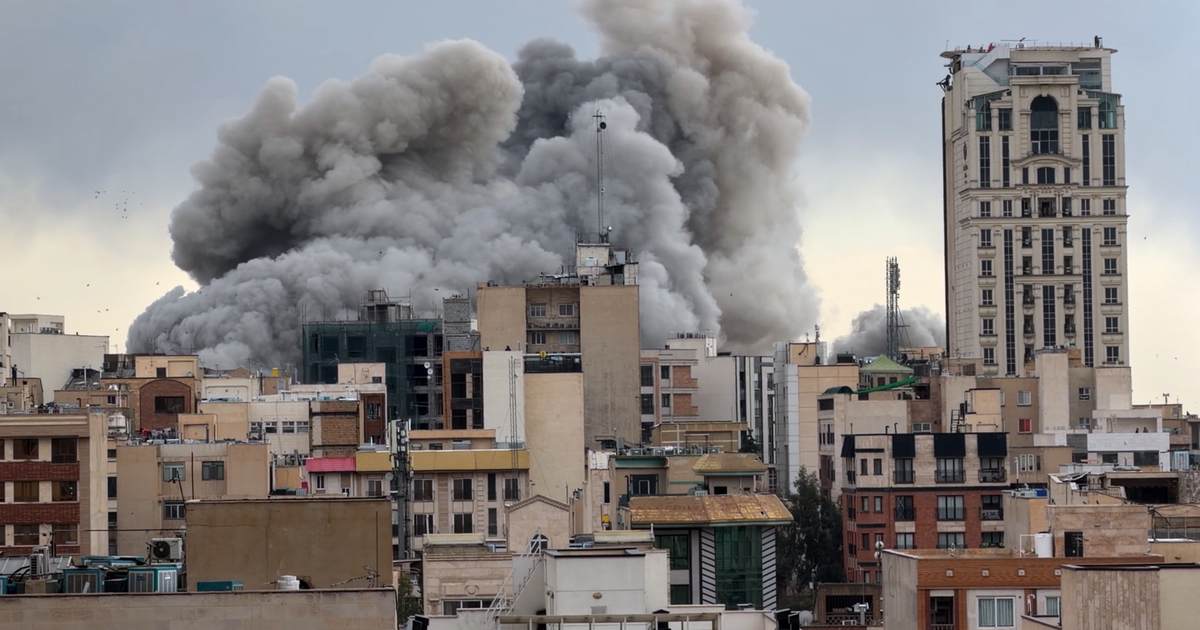
After a classified briefing on Operation Epic Fury, a senior GOP lawmaker called into a national correspondent to relay what he was told, arguing the mission is a narrowly targeted effort to neutralize immediate Iranian threats to U.S. forces and interests in the region.
Secretary of State Marco Rubio briefed key members of Congress about Operation Epic Fury, and Rep. Brian Mast, who chairs the House Foreign Affairs Committee, spoke publicly about the details he received. He called into a media interview with Katie Pavlich to describe the mission’s focus and its justification. Republicans in Congress are emphasizing clarity about objectives and the limits of U.S. involvement.
The briefing made clear that this operation is built around removing capabilities that directly threaten Americans and U.S. interests, not launching a broad occupation. Leadership is stressing the difference between targeted military action and large-scale nation-building. That distinction matters to conservatives who opposed open-ended wars but support clear defensive measures.
I just got off the phone with House Foreign Affairs Committee Chairman @RepBrianMast, who was in the Gang of 8 briefing on Operation Epic Fury on Capitol Hill this evening. What he told me:
-"The mission set for this operation is literally seek and destroy. Any piece of…
— Katie Pavlich (@KatiePavlich) March 3, 2026
“The mission set for this operation is literally seek and destroy. Any piece of military hardware that can reach out and touch Americans or our interests in our region. That is a perfect mission set to respond to the imminent threat that Iran has been.”
-“I could not be more happy with the mission set. It is a very pinpointed mission set that goes very directly to addressing what is this threat that has been allowed to metastasis from administrations going back to when I was born – which is allowing Iran to pursue ballistic missiles, missiles, nukes and terrorists.”
-On forever war claims: “This is a very specific operation to end the imminent threat that Iran has been against the United States for my lifetime.”
-The clandestine activities of China, Russia and North Korea in the region are a question and concern. What is it that they are working on and preparing to prevent regime change?
-Ultimately, regime change is up to the Iranian people
-Re: oil – “Two things can be true at once. This [the operation] was never about China, this absolutely affects China.”
-U.S. forces are in the region because of the danger and instability of Iran: “There is an imminent threat against the United States of America every single day that the most radical regime for the last 47 years has existed. They existed to destroy Israel, 100%, but existed to destroy the United States of American just as much and worked every single day to accomplish that…this is an operation to protect all of the forces of the United States of America in the region…The danger, the largest source of instability, why our forces are there is for Iran. It’s why our forces exist there.”
Mast stressed that the mission targets specific military hardware and networks capable of striking Americans, not broader political goals. That is a line Republicans are drawing to reassure voters wary of repeating past wars of choice. The emphasis is on tactical objectives that remove immediate risks without committing to ground occupations.
Congressional Republicans are also keeping an eye on outside actors who may be operating covertly in the region. China, Russia, and North Korea have been mentioned as states whose clandestine activities raise questions about what they are preparing for. Lawmakers want assurance that U.S. planners are tracking any moves that could complicate the operation or threaten regional stability.
One constant in the brief was the assertion that ultimate political change inside Iran must come from Iranians themselves. Republican officials are framing the operation as focused on defense, deterrence, and clearing the way for a safer environment—not on imposing regime change. That message is designed to separate limited military action from open-ended nation-building projects of the past.
The mission’s impact on global markets and rival powers was also discussed, with officials acknowledging that operations of this scale can ripple beyond the immediate battlefield. Mast noted that while the operation was not conducted for the purpose of influencing any single foreign power, its effects necessarily touch actors such as China. Conservatives point out you can protect U.S. security while recognizing secondary consequences.
Republicans backing the operation emphasize the reason U.S. forces are forward deployed: to deter and defend against a regime that has openly supported terrorism and threatened allies for decades. The argument from the briefing was simple and blunt—presence and action are necessary because the Iranian regime poses a persistent, imminent threat. That framing is meant to make the case for decisive, limited action to remove specific capabilities.
There was also a candid warning about future escalation. Officials indicated the next wave of attacks could be larger, suggesting that the United States must stay vigilant and prepared. The message reinforces support for a calibrated response that protects personnel and interests while avoiding open-ended commitments.
In the weeks ahead, Republican lawmakers will press for continued oversight and clear benchmarks so the mission stays within its stated objectives. They want transparency to ensure the military task remains focused and constrained, and they expect regular briefings so Congress can hold the administration accountable. That posture reflects conservative priorities: robust defense paired with measured limits on engagement.
Editor’s Note: For decades, presidents talked tough and failed to act decisively against the most dangerous regime in the Middle East. Today, the administration has moved to eliminate that persistent threat, focusing on tools and targets that actually reduce the risk to Americans. Conservatives see this as a defense-first approach that protects our troops and our allies without launching a new era of occupation.