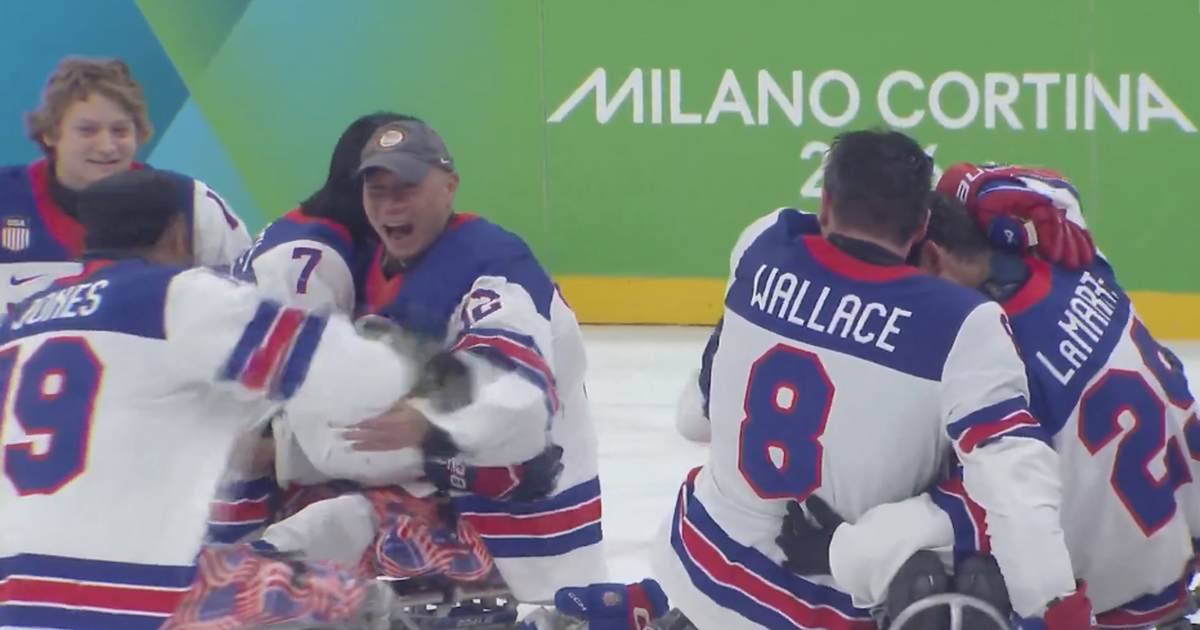
Team USA completed an unprecedented sweep in hockey, with the men’s, women’s, and Paralympic teams all winning gold, and the sled hockey squad adding a fifth straight Paralympic title.
Yesterday felt like one of those days that lands in the history books: all three American hockey programs finished top of the podium. This is the first time the men’s, women’s, and Paralympic teams have all won gold at the same Games, a milestone that reflects depth across every level of our sport. Fans and players alike called it a defining moment for U.S. hockey.
The sled hockey finale capped the trifecta in emphatic fashion, a 6-2 victory over Canada that secured their fifth consecutive Paralympic gold. That margin didn’t happen by accident; it was the product of years of investment in the program and a relentless competitive culture. When the puck dropped the U.S. brought structure, speed, and finish, and the scoreboard told the story.
THREE BIRD. 🦅🇺🇸#WinterParalympics pic.twitter.com/vFbgGHEtOA
— Team USA (@TeamUSA) March 15, 2026
There was a real team vibe off the ice, too: members of the broader American hockey family sent encouragement ahead of the sled final. Before the game, Team USA sled hockey received a deluge of videos from their compatriots, including Matthew Tkachuk, Jack Hughes, Hilary Knight, and Hannah Bilka. Those messages weren’t just social niceties; they were energy and confidence transferred into the locker room.
The three golds together say something about American development systems and how talent gets identified and fostered from youth through elite levels. College programs, youth clubs, and Paralympic pipelines have all been working in sync, producing athletes who can compete on the biggest stage. That coordinated rise doesn’t happen overnight; it’s the result of coaches, families, and local communities prioritizing hard work and accountability.
On the ice, the wins look clean, but behind each result are countless small decisions — better coaching hires, smarter conditioning, and more competitive spots for athletes to prove themselves. Those choices add up when depth matters late in a tournament and injuries or pressure test every lineup. The U.S. showed it can plug and play talent across all three rosters and still win at the highest level.
There’s also a cultural angle: success breeds attention, which builds resources, which then breeds more success. When kids see the women’s team or a sled hockey champion hoist gold, it changes what they believe is possible and where they want to invest their time. That kind of virtuous cycle can lift a sport for a generation.
Rivalries made the run sweeter. Facing Canada in any hockey final adds extra meaning, and beating them on that stage always lands hard with fans back home. Thus far, Canada has lost in the World Series, the Winter Olympics, and Paralympics, and now the World Baseball Classic. Those headlines feed a narrative, but the more important point is that American programs showed up where it counted.
For players and staff, this week will be filed under career highlights: Olympic medals, international gold, and moments that define a sport’s era. For the sport itself, the sweep gives the U.S. leverage when arguing for investment, media coverage, and better competition schedules. Momentum like this usually brings tougher opponents, which only improves the standard going forward.
Expect the conversation now to shift from celebration to sustainability: how to keep pipelines healthy, how to convert Olympic success into stronger domestic leagues, and how to translate medal-winning moments into real growth at the grassroots. Those are the next battles, and they’re the ones that decide whether a golden moment becomes a golden era.
Editor’s Note: Do you enjoy Townhall’s conservative reporting that takes on the radical left and woke media? Support our work so that we can continue to bring you the truth. Join Townhall VIP and use promo code FIGHT to receive 60% off your membership.