Zohran Mamdani’s estate tax plan would slash New York’s exemption and raise top rates, risking a wave of departures and hitting family wealth hard.
New York’s political class keeps promising to tax the wealthy until there aren’t enough wealthy people left to fund their spending. Once the rich start leaving, the pressure falls on everyone else and the result is higher taxes across the board for people who can’t move. That pattern explains why a radical estate tax change should set off alarm bells in every neighborhood that still wants to pass property to the next generation.
Zohran Mamdani has floated a proposal that would cut New York’s estate tax exemption from more than $7 million to $750,000 while raising the top rate to 50 percent. Those numbers are the heart of the debate and they matter because they change incentives for anyone thinking about buying property or building a business in the city. These are not small tweaks; they rewrite the rules around saving and passing wealth down to your family.
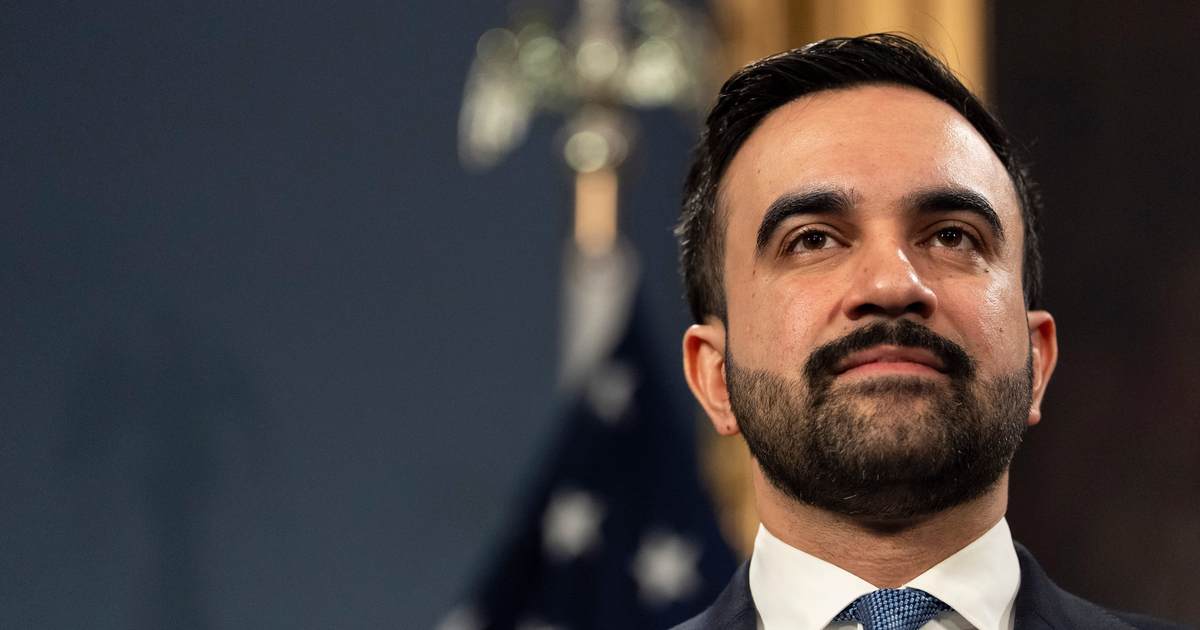
New York City Mayor Zohran Mamdani wants to slash New York state’s estate tax exemption threshold by almost 90%, from a more than $7 million limit to $750,000, and raise the top estate tax rate from 16% to 50%.
The proposal was included among nearly a dozen potential revenue-raising ideas Mamdani’s office circulated in a memo in recent weeks to state lawmakers negotiating the state budget. Mamdani is facing a $5.4 billion city budget deficit for the fiscal year that begins July 1, and is seeking help from the state legislature in raising money to close the gap.
Zohran Mamdani is proposing to raise NY's estate tax to 50% and have it kick in at $750,000 instead of more than $7 million https://t.co/VAJuZFSFV3
— Bloomberg (@business) March 13, 2026
The change Mamdani is supporting would be significant. New York is already one of a dozen states that impose separate state-level estate taxes on top of federal estate taxes. If the change were enacted, New York’s estate tax exemption threshold would be the lowest in the US.
That proposal is designed to squeeze money out of estates at a time when many residents are already thinking about moving to lower-tax states. The practical upshot is that more families will face steep bills at a moment when leaving your home is no simple option. For city real estate markets, that could mean lower demand and collapsing values as buyers weigh the risk of losing half their estate at death.
That’s a 90 percent reduction in the estate tax threshold.
Yep. Pay up.
The incentive structure shifts fast: when taxes punish ownership, people look for escape routes and safer havens. So are Florida and Texas.
You’ll own nothing and you’ll like it.
Mamdani’s housing advisor, Cea Weaver, has spoken about policies that reshape property norms, and these proposals fit that agenda. Collapsing the value of property and discouraging private homeownership are predictable results when estates are taxed at confiscatory rates. If the goal is to redistribute housing and wealth, this proposal would accelerate that process.
There’s an obvious political angle: politicians promise to tax the wealthy but then expand the base when revenues fall short. That’s what’s happening here — a mayor facing a $5.4 billion gap circulating aggressive ideas that shift the burden. It isn’t just theory; it’s a playbook for turning middle-class savings into city revenue.
“And you’re greedy if you want to leave your house and wealth to your kids.”
No one is going to buy a house in New York City knowing the state might take half when they die, and developers and buyers will react accordingly. That reduces demand, chills construction in neighborhoods that need investment, and makes it harder for families to accumulate stable wealth. Those are exactly the economic consequences critics have warned about.
Labeling this move as merely progressive reform ignores how taxation changes behavior and who pays the price. That’s what communists always do. The working and middle classes are an obstacle to their communist agenda.
When the state takes more, the margin for entrepreneurship shrinks and people decide to keep their capital where it won’t be confiscated. You are always richer than someone else. That reality doesn’t justify seizure, but it does explain why confiscatory taxes are politically popular among those who benefit in the short term.
Check out all the mansions.
This is the low end of the philosophy: if officials can get away with taking half, they’ll push for more, and a 100 percent tax on earnings is not unimaginable to ideologues. They’d take 100 percent of what you make if they knew they could get away with it.
Voters should see this proposal for what it is: a menu of choices that reshapes who can afford to live and invest in New York. Stop electing politicians who treat ownership and savings as the enemy, because once the pattern starts in one city it spreads to others. The long-term cost is not just money taken at death but the damage to incentives that build dynasties, careers, and neighborhoods.