President Trump is dealing with fallout after his National Counterintelligence Center director, Joe Kent, resigned amid public accusations about the administration’s handling of a recent military action against Iran and claims that Israel pushed for the operation.
Joe Kent published a resignation letter saying he could not stay in an administration that carried out a war against Iran, a country he described as posing no threat to the United States. He also wrote that Israel had pressured the United States into the military operation, which inflamed tensions inside the administration. That combination of charges has provoked sharp reactions from Trump allies and career officials who viewed Kent’s claims as damaging and unverified. The abrupt loss of his counterintelligence chief has created an immediate personnel and messaging problem for the White House.
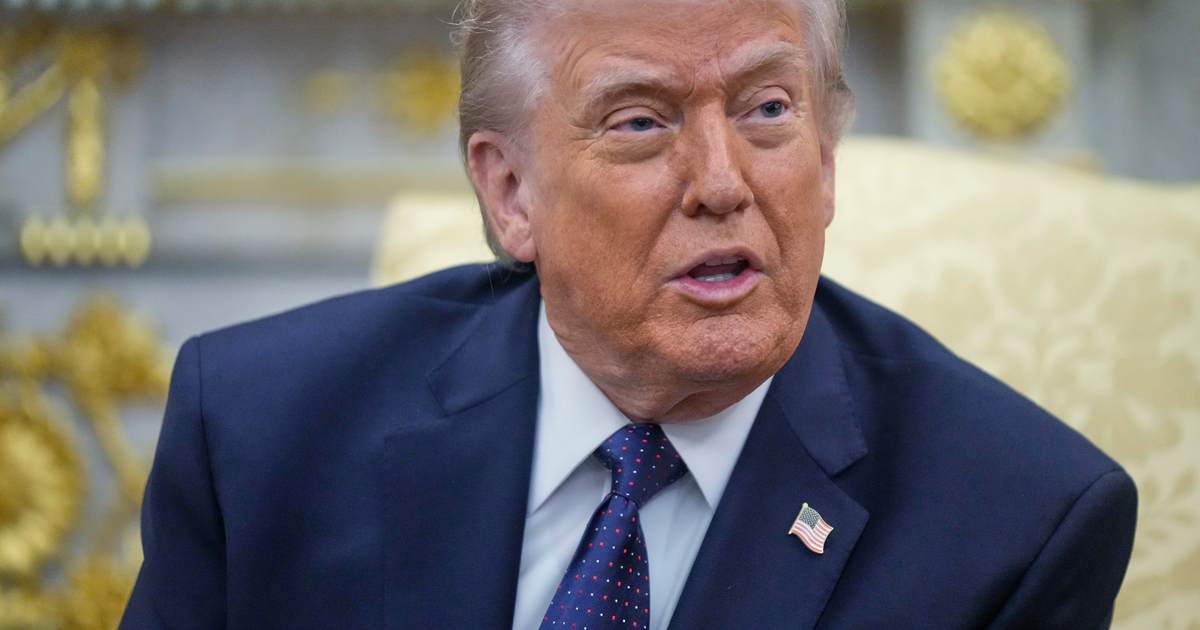
Reporters questioned President Trump about Kent’s departure during an Oval Office gaggle with the Irish Taoiseach, and the president answered directly about the statement. Trump said he had formed an opinion about Kent based on the letter and on his assessment of national security posture. The president’s remarks underline how personnel disputes have bled into public debates over recent military decisions and the intelligence that led to them.
Well, I read his statement. I always thought he was a nice guy, but I always thought he was weak on security, very weak on security. I didn’t know him well, but I thought he seemed like a pretty nice guy. But when I read his statement, I realized that it’s a good thing that he’s out because he said that Iran was not a threat. Iran was a threat. Every country realized what a threat Iran was. The question is whether or not they wanted to do something about it. And many people, many of the greatest military scholars are saying for years that the President should have taken out Iran because they wanted a nuclear weapon.”
First statement by President Trump on Joe Kent following his resignation today as Director of the National Counterterrorism Center, citing the Iran War and Israel:
“Well, I read his statement. I always thought he was a nice guy, but I always thought he was weak on security,… pic.twitter.com/R9wNxxAr9m
— OSINTdefender (@sentdefender) March 17, 2026
The reaction inside Republican circles has been fierce: some see Kent as reckless and disloyal, while others worry that his allegations could fuel media narratives about discord at the highest levels. Conservative operatives and national security officials have pushed back hard, arguing that public departures framed as whistleblowing undermine cohesion. At the same time, critics point to Kent’s public statements and suggest his behavior resembles earlier insiders who leaked or weaponized their access to influence policy debates. With that reputation following him, observers say Kent was likely excluded from sensitive planning conversations, including those around Operation Epic Fury.
The National Counterintelligence Center post exists to protect classified information and to coordinate counterintelligence activities across agencies; losing a director in the middle of a major regional crisis raises practical concerns. Analysts note that a sudden leadership vacuum can slow coordination, complicate oversight, and create vulnerabilities at a time when intelligence sharing with allies and partners matters most. Within the Pentagon and intelligence community, officials are asking how responsibilities will be reassigned and whether interim leadership can maintain continuity without creating new security risks. This personnel shakeup will be watched closely by both domestic and foreign partners who rely on stable U.S. intelligence leadership.
Politically, the resignation has become ammunition for competing narratives about the decision to strike and about broader administration priorities in the Middle East. Supporters of stronger action argue the move against Iran was necessary and long overdue, while critics inside and outside the administration emphasize the need for clearer legal and strategic justification. Kent’s claim that Israel pressured the U.S. into the operation adds a diplomatic wrinkle, prompting questions about the decision-making process and how allied input is weighed. Those questions matter not only for public trust but for the next steps in a volatile region.
For Trump, the episode has two simultaneous impacts: it reinforces his supporters who favor a muscular national security posture and it hands his opponents a example of internal disagreement to amplify. Messaging battles have already started, with surrogates offering defense of both the operation and the president’s handling of the fallout. Meanwhile, intelligence professionals are focused on keeping operations on track and preventing the politicization of sensitive material. The balancing act between political damage control and operational continuity will define how the administration recovers from this episode.
Observers are also watching how this plays out in Congress and with oversight bodies that demand transparency when senior officials leave abruptly. Lawmakers who favor tougher measures against Iran are likely to use the resignation to argue for clearer authority and firmer action, while others will press for inquiries into the basis for the strike and the intelligence assessments that supported it. The debate could shape hearings, appropriations, and the public timeline for any follow-up operations or adjustments to policy in the region. Internal memos and classified briefings will be the next test of whether the administration can maintain discipline after a high-profile exit.
The coming days will show whether Kent’s departure is a single flare-up or the start of a longer rupture inside national security ranks, and how the White House chooses to staff and explain counterintelligence responsibilities going forward. The response from allies, the handling of classified information, and the internal management of sensitive operations will determine whether this becomes a short-lived personnel story or a deeper governance challenge.