Sen. Lindsey Graham says President Trump is furious after allied refusals to help secure the Strait of Hormuz; Iran’s actions have choked regional shipping, Trump has publicly scolded NATO partners, and European leaders prefer limited defensive missions rather than joining a U.S. offensive.
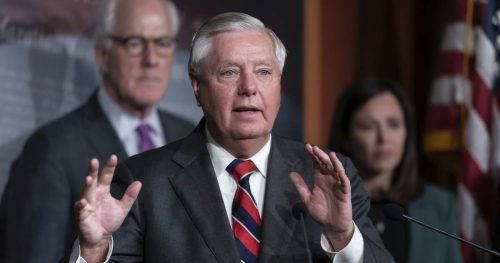
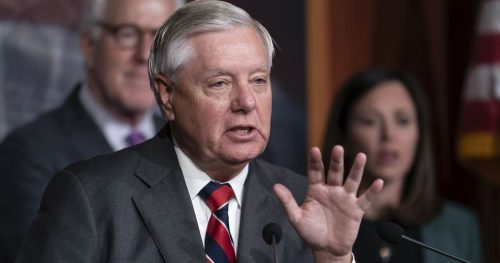
Sen. Lindsey Graham told colleagues he spoke with President Trump and described the president as unusually enraged over allies declining to assist in keeping the Strait of Hormuz open. The request was straightforward: send warships to deter Iranian interference after a series of hostile moves in the region. That refusal, Graham and others warn, has strategic and economic consequences for America and its partners.
Iran has effectively shut down much maritime traffic in the area, disrupting oil shipments and commercial routes after U.S.-Israeli strikes targeted Iranian military infrastructure. Those strikes and Iran’s subsequent moves have raised the stakes for global energy markets and naval security. President Trump pressed European and Asian governments directly to send forces to help stabilize the passage.
After speaking with the president, Graham posted a blunt update on social media. “I have never heard him so angry in my life,” he wrote in a post on X. “I share that anger given what’s at stake.” That sentiment captures the frustration inside parts of the U.S. government about allies who balked at a direct ask for assistance.
The arrogance of our allies to suggest that Iran with a nuclear weapon is of little concern and that military action to stop the ayatollah from acquiring a nuclear bomb is our problem not theirs is beyond offensive. The European approach to containing the ayatollah’s nuclear ambitions have proven to be a miserable failure.
The repercussions of providing little assistance to keep the Strait of Hormuz functioning are going to be wide and deep for Europe and America.
I consider myself very forward-leaning on supporting alliances, however at a time of real testing like this, it makes me second guess the value of these alliances. I am certain I am not the only senator who feels this way.
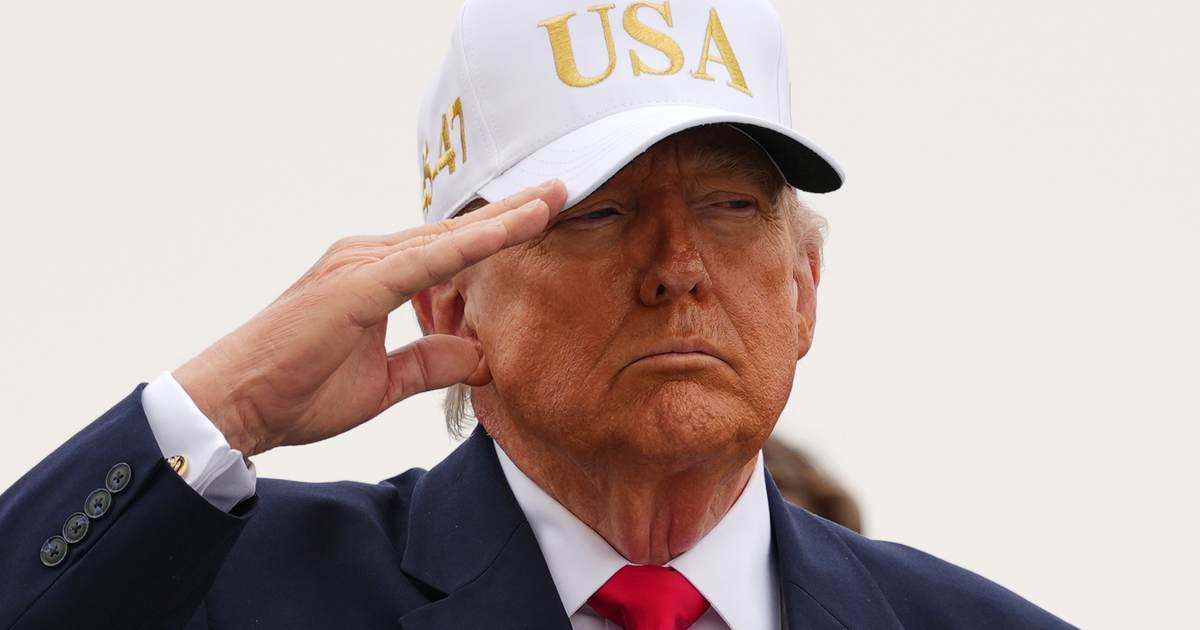
President Trump did not hide his displeasure on Truth Social, calling out NATO partners by name and faulting them for standing aside. “has been informed by most of our NATO ‘Allies’ that they don’t want to get involved with our Military Operation against the Terrorist Regime of Iran” the post read, noting broad agreement that Iran must not be allowed to obtain a nuclear weapon. Trump added bluntly, “I am not surprised by their action, however, because I always considered NATO, where we spend Hundreds of Billions of Dollars per year protecting these same Countries, to be a one way street — We will protect them, but they will do nothing for us, in particular, in a time of need.”
Just spoke to @POTUS about our European allies’ unwillingness to provide assets to keep the Strait of Hormuz functioning, which benefits Europe far more than America. I have never heard him so angry in my life. I share that anger given what’s at stake.
The arrogance of our…
— Lindsey Graham (@LindseyGrahamSC) March 17, 2026
Trump also used the platform to stress recent U.S. military results in the region. Trump reaffirmed that the U.S. has “decimated Iran’s Military.”
European capitals, particularly Germany and other E.U. states, treat an effort to clear the Strait of Hormuz as part of a larger confrontation with Iran they did not sign up for. Leaders such as France’s Emmanuel Macron and Britain’s Keir Starmer have pushed for limited escort and defensive missions instead of joining an American-led offensive against the Iranian regime. That stance, in Washington, reads as caution bordering on refusal when a direct request for help was on the table.
For Republicans and many national security voices, the episode exposes a gap between talk and action among long-standing partners. The resentment is practical: the U.S. shoulders a heavy security burden and expects allies to step up when regional stability and access to global trade routes are threatened. If powers who benefit from those routes decline to assist, questions about burden-sharing are inevitable.
The diplomatic back-and-forth also signals future friction in alliance management. Trump’s warning that he will “remember” which nations refused help is not idle rhetoric; it reflects a new clarity in how the administration views reciprocity in security relationships. In the months ahead, how capitals respond could reshape operational cooperation and political calculations across NATO and the E.U.
Senators and White House officials say the practical fallout could be wide and deep, from energy market volatility to naval tensions that stretch beyond the Persian Gulf. That prospect is why a president known for blunt diplomacy is publicly sharp with allies who decline to act at a moment many view as a real test of allied solidarity.