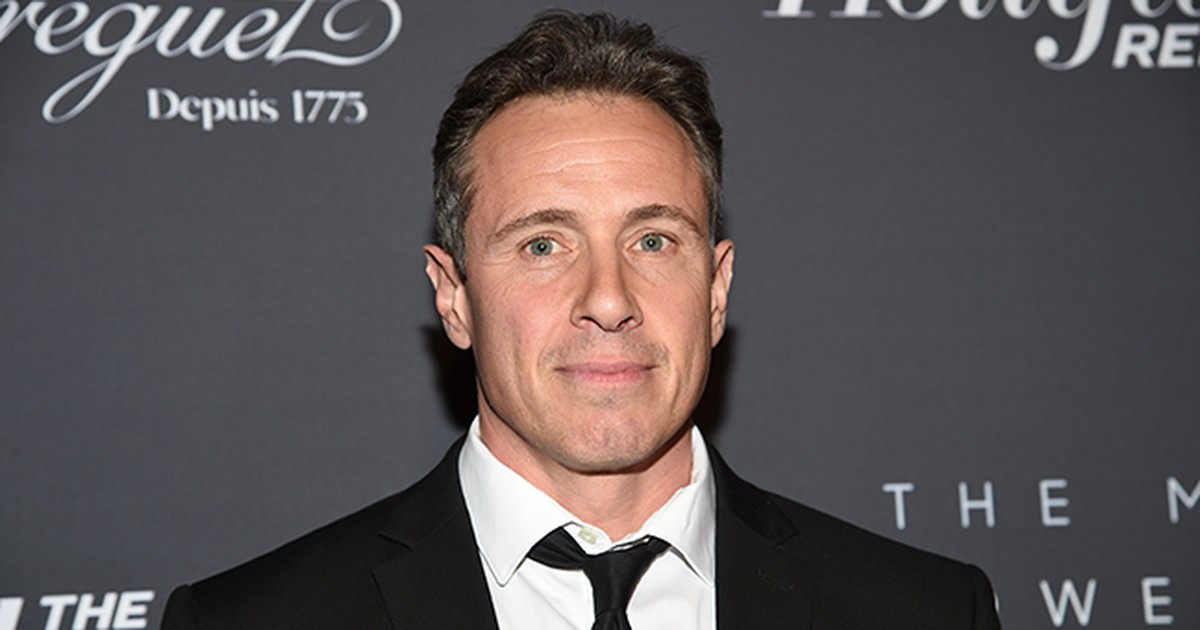
Chris Cuomo hosted a live call-in where a 26-year law enforcement veteran bluntly said left-wing mobs cause worse violence than right-wing groups, and the exchange exposed media blind spots and the burden placed on police.
Chris Cuomo has reshaped his on-air persona since leaving CNN, finding a looser groove on NewsNation and speaking more plainly at times. He still provokes heat, but he also gives space to voices that challenge the usual media script. That dynamic showed up when a caller with real street experience pushed back hard on how journalists frame political violence.
The caller identified only as “John” and said he’s from Chicago and spent 26 years in law enforcement, which immediately changes the conversation from theory to experience. He didn’t hedge when describing what police face at different protests, and his point was blunt: the kind of damage and animosity coming from left-wing groups has been worse. That kind of firsthand perspective matters, because policy and public debate too often ignore what patrol officers actually live through.
John explained that when the Proud Boys show up, the job is long and unpleasant, but it’s different than the chaos he’s seen from Antifa and Black bloc formations. He used a historical comparison to make the violence feel real instead of abstract, and his voice carried authority because of two dozen years on the job. People in media should be listening to that level of experience instead of recycling slogans.
A 26-year veteran police officer, John, called into Chris Cuomo’s show and DOG WALKED him on the reality of left-wing violence.
JOHN: “Chris, I just had a follow-up to last night.”
“You see, I’m miffed by one of your guests saying that Biden arced up the temperature, and I… pic.twitter.com/iBKhToBC4x
— Overton (@overton_news) March 18, 2026
JOHN: “Chris, I just had a follow-up to last night.”
“You see, I’m miffed by one of your guests saying that Biden arced up the temperature, and I agree with you he personally didn’t do it, but I was a police officer for 26 years and I’ve never seen violence in any right-wing protests as bad as I’ve seen in the left.”
“And all the way up George Floyd, it’s been horrible.”
“Like when you hear that…let’s say the Proud Boys are coming to town, we’re like, okay, we gotta walk for a long time.”
“You hear Black bloc or Antifa’s coming, you know you’re in for it.”
“And I’ve never seen violence and things done to police officers as nasty, and as vile as from the left.”
That exchange is uncomfortable for a media class that often treats both sides as morally equivalent while ignoring differences in tactics and intent. From a Republican viewpoint, honesty about threats matters for public safety and for policy. When experienced officers report patterns of targeted assaults, arson, and organized property destruction coming from left-wing factions, the country should take notice rather than reflexively shrug.
Cuomo’s willingness to air the call shows how a program can spark real debate instead of rehearsed talking points, and it also revealed how thin the defenses are when confronted with practical realities. Media elites sometimes prioritize narrative over nuance, and that costs credibility. Allowing a veteran cop to describe the day-to-day risks officers face undercuts any attempt to normalize violence in the name of protest.
This isn’t a call to criminalize protest or to deny legitimate dissent, but it is a call for consistency. Law-abiding conservatives and liberals both deserve a system that protects citizens and officers equally, regardless of political stripe. When crowds turn from civil demonstration into organized chaos, authorities must act decisively and lawmakers should support clear policies that deter violence.
There’s also a manpower and morale angle that doesn’t get enough attention. Long, exhausting marches and violent confrontations wear down departments and hurt recruiting, which in turn impacts public safety across the board. If elected officials and the press ignore those consequences, communities suffer in the long run and the rule of law erodes.
So the takeaway from that call isn’t partisan scorekeeping but a reminder that experience speaks loudly, and sometimes it pierces the comfortable narratives of cable news. John’s testimony deserves a hearing because it comes from boots-on-the-ground reality, and politicians should use such reports to shape commonsense, enforceable policies. That kind of practical focus, not rhetorical equivalence, should guide how we talk about political violence going forward.