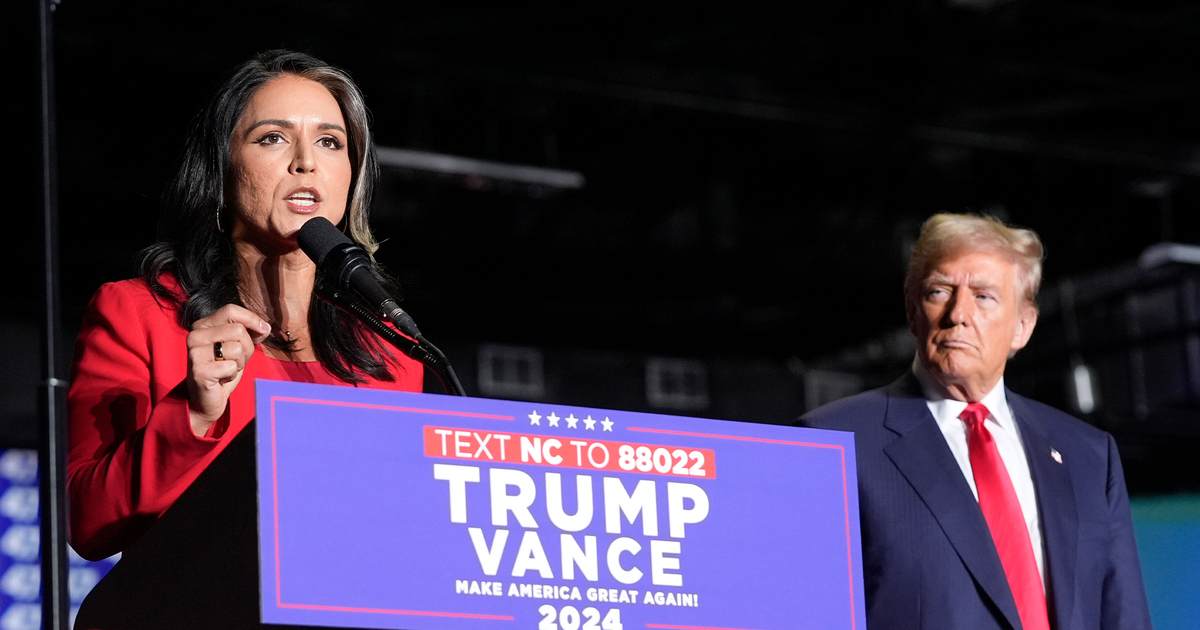
President Trump publicly backed DNI Tulsi Gabbard amid growing talk she could be dismissed, while tensions inside the administration and fallout from a senior aide’s resignation have fueled speculation.
President Trump made it clear he still trusts Tulsi Gabbard to serve despite her independent streak on Iran policy and some reports of internal friction. The chatter about a possible firing has been loud, but the president has repeatedly pushed back. This episode highlights the clash between a commander-in-chief focused on decisive action and aides who sometimes see the world differently.
Interest in Gabbard’s future spiked after the resignation of Joe Kent, a former director of counterterrorism who had been a high-profile presence in some conservative circles. Reports said allegations were raised that involved Gabbard and that Kent lost access to the president’s daily briefings. Those developments sent a clear signal that personnel shifts and policy disagreements are stirring things up inside the White House.
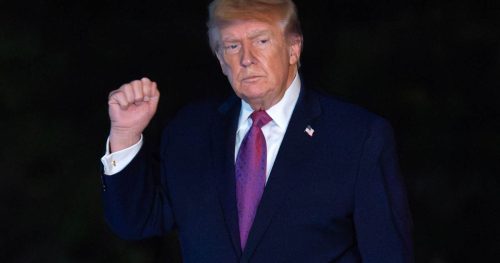
“Do you still have confidence in Tulsi Gabbard, sir?” a reporter asked the president aboard Air Force One, Sunday. “Yeah, sure. I mean, she’s a little bit different in her thought process than me, but that doesn’t make somebody not available to serve,” Trump said. “I would say that I’m very strong in the fact that I don’t want Iran to have a nuclear weapon. Because if they had a nuclear weapon, they’d use it immediately.”
On background from ODNI —
It's true, KENT was not involved in briefings on Iran.
However, GABBARD was never asked to fire him, or else she would have.
GABBARD has been touch with the WH since KENT's resignation (today).Meanwhile – a second senior U.S. Official tells FOX the… https://t.co/jasMRFA2TW
— Aishah Hasnie (@aishahhasnie) March 17, 2026
Trump’s tone was both firm and practical: he values loyalty but won’t cut off officials just because they disagree with him. He’s relentless about one thing — stopping Iran from getting nuclear weapons — and he made that nonnegotiable. That clarity of purpose is exactly what his supporters want from a president confronting a dangerous regime abroad.
“I think she’s probably a little bit softer on that issue, but that’s okay,” he added, recognizing differences without treating them as disqualifiers. “Some people are. Most people aren’t. Most people are saying, thank you very much for doing what you did. They are decimated right now.” His comments underlined that, from the administration’s perspective, the results on the ground matter more than internal posture.
The situation has roots in a House Intelligence Committee hearing earlier this month where Gabbard publicly pushed back against Kent’s framing of events. She distanced herself from his assertions and declined to endorse his resignation letter, signaling a preference for caution in how the administration discusses allies and operations. Her comments suggested she wanted to avoid inflaming diplomatic tensions while staying aligned with broader administration goals.
News of Kent’s departure and reports of strained relations raised questions among observers about how tight the president’s inner circle really is. Washington insiders traded rumors and hot takes, but the core fact remained: the president continues to lead with national security priorities that he clearly announces and defends. In that environment, differences of opinion do not automatically turn into firings.
Gabbard’s profile complicates the story; she is an unconventional pick who has her own base and a history of speaking out on foreign policy matters. That independence roils some staffers but can also provide useful perspective when an administration faces complex, evolving threats. For a commander focused on results, someone who questions assumptions can be an asset rather than a liability.
Despite the noise, the president has repeatedly signaled he does not plan to remove her, framing the matter around effectiveness and the immediate threat posed by Iran. The public back-and-forth reflects both the high stakes of current policy and the ways personnel decisions are debated in real time. In the end, the White House message has been steady: stop Iran from acquiring nuclear weapons and keep the country safe.
Editor’s Note: For decades, former presidents have been all talk and no action. Now, Donald Trump is eliminating the threat from Iran once and for all.