Iran has issued explicit threats to strike U.S. forces if American troops move onto Iranian soil, while Washington weighs options ranging from economic pressure to limited military steps short of a full ground invasion.
The conflict has now passed the 30-day mark and shows signs of escalation, especially if the United States commits ground forces. Iranian leaders are publicly warning that any ground move would meet fierce resistance, making clear they see a U.S. invasion as a point of no return.
Iranian parliament speaker Mohammad Bagher Ghalibaf accused the U.S. of plotting a ground attack and warned of a direct response from Iran’s military. He said, “The enemy signals negotiation in public, while in secret it plots a ground attack,” and further warned that Iranian military forces are already “waiting for American soldiers to enter on the ground so they can rain fire upon them.”
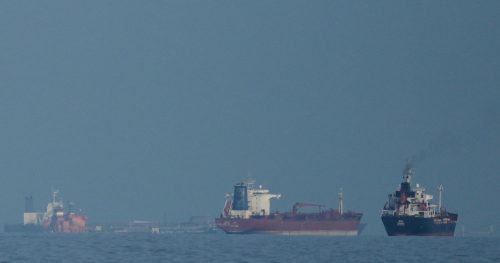
U.S. officials continue to weigh options beyond a full-scale ground invasion, keeping military flexibility on the table while looking for ways to squeeze Tehran’s leverage. One idea reportedly under consideration is taking control of Kharg Island to choke off oil revenues and blunt Iran’s ability to threaten shipping through the Strait of Hormuz.
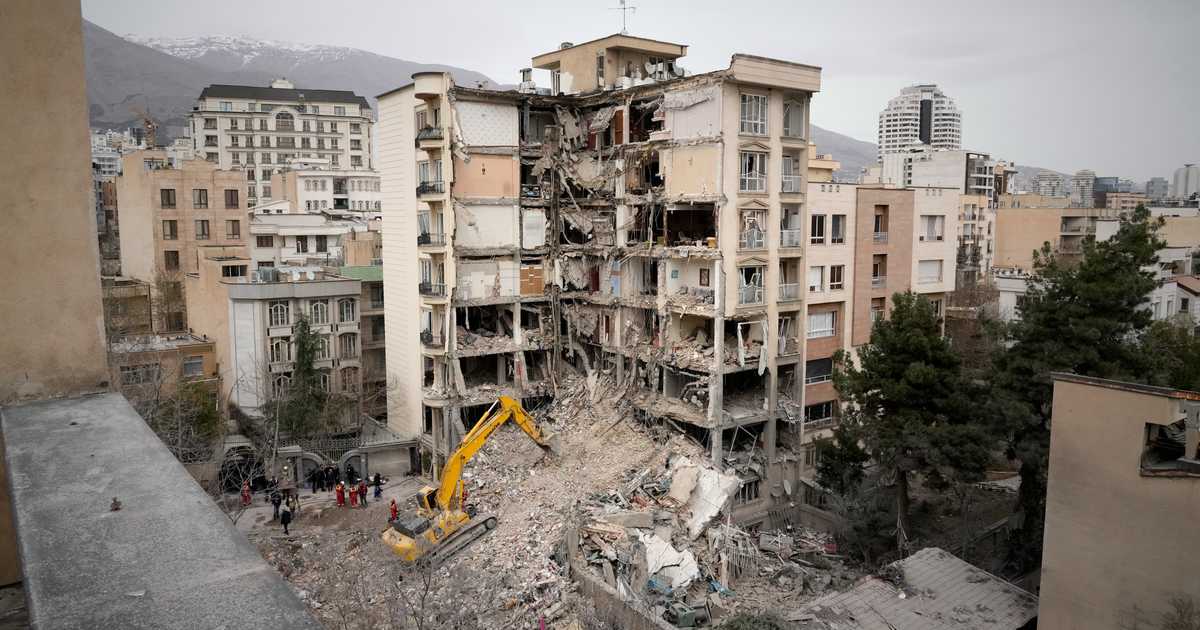
Iran has not limited its operations to direct confrontation with U.S. forces; the regime has launched missile and drone attacks at regional partners, including Qatar, the United Arab Emirates, and Kuwait. Those strikes underscore the broader regional destabilization and the risk that the conflict could spread beyond a bilateral U.S.-Iran fight.
Diplomatic back-and-forth has been active behind the scenes, with the United States offering a 15-point proposal meant to curtail Iran’s military and nuclear ambitions. Tehran’s counterproposal reportedly demands war reparations, formal control over the Strait of Hormuz, and the removal of American bases from the Middle East — terms Washington finds unacceptable.
The U.S. has bolstered forces in the region with roughly 3,500 additional personnel and assets, signaling seriousness without immediately launching a ground campaign. President Trump has repeatedly made clear he prefers leverage but has not ruled out force, using the deployment to strengthen negotiating posture and deter further Iranian aggression.
The United States of America is in serious discussions with A NEW, AND MORE REASONABLE, REGIME to end our Military Operations in Iran. Great progress has been made but, if for any reason a deal is not shortly reached, which it probably will be, and if the Hormuz Strait is not immediately “Open for Business,” we will conclude our lovely “stay” in Iran by blowing up and completely obliterating all of their Electric Generating Plants, Oil Wells and Kharg Island (and possibly all desalinization plants!), which we have purposefully not yet “touched.” This will be in retribution for our many soldiers, and others, that Iran has butchered and killed over the old Regime’s 47 year “Reign of Terror.”
The president’s rhetoric is blunt, and that bluntness is deliberate: it signals consequences aimed squarely at the regime’s economic lifelines and infrastructure. From a conservative perspective, making clear what is on the table — and showing the capacity to follow through — can force a deal that protects American interests without committing to a prolonged occupation.
Critics argue that any escalation risks mission creep and a wider war, but supporters say pressure must be paired with readiness to act. Seizing key economic nodes and targeting energy infrastructure are meant to coerce Tehran into concessions while minimizing American boots on the ground.
Sec. Rubio: The objectives of this operation are destroying Iran’s navy, their defense industrial base, and their ability to make missile launchers. Imagine Iran two years from now, if they had thousands of more missiles.
— Breaking911 (@Breaking911) March 30, 2026
Iran’s threats to hit U.S. forces should be taken seriously, but they do not change the strategic reality: the United States retains significant military options and regional partners who want stability. A firm posture that protects shipping, energy markets, and American troops can blunt Tehran’s capacity to blackmail the global economy.
Ultimately, this standoff will test whether a combination of pressure, diplomacy, and decisive military readiness can produce a negotiated outcome. The U.S. must balance force and restraint to stop Iran’s destabilizing behavior without trading short-term headlines for a long-term occupation.
The situation remains fluid, with negotiations, deployments, and public threats all happening at once. What’s clear from a conservative viewpoint is that strength, clarity, and the willingness to impose real costs on Tehran are essential to preventing further escalation and preserving American interests in the region.