Protests in the U.S. and Europe aired mixed messages this weekend, and a viral street interview captured how muddled the debate can get when activism outpaces understanding.
Demonstrations labeled as anti-war or calling for renewed negotiations with Iran spread across Western capitals and U.S. cities. Organizers framed the events as opposition to Operation Epic Fury and a push for diplomacy, but the crowd imagery and rhetoric often told a different story.
Video from one European protest shows flags and slogans that conflict with a simple, coherent message, and participants who struggle to explain what they want. Cameras caught marchers refusing to squarely answer questions, highlighting a gap between the slogans on signs and actual policy positions.
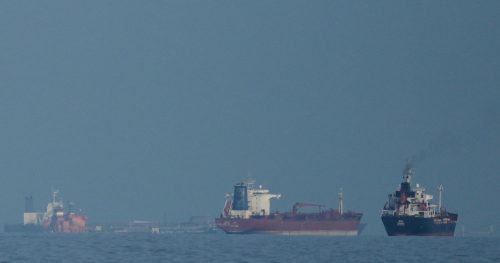
A reporter pressed a young woman on a deliberately provocative line of questioning about priorities, and the exchange is blunt and revealing. “Isn’t it a little bit homophobic that we’re so focused on the Straits of Hormuz and not the Gays of Hormuz?” the reporter asked.
“Yes, I agree. Yes, for sure,” the woman replied, offering a rapid, unexamined assent that became the viral beat of the clip. Asked why attention would be left off the gay community there, she hesitated before replying.
“I think it’s just, um, history,” she said. “Historically, like, you know, gays have always been very discriminated against, which is wrong on so many levels. Even in war. It just takes more reform in government, obviously, and then also educating society.”
We’re all doomed…. https://t.co/rYvb9k14Cx
— Ted Cruz (@tedcruz) March 31, 2026
The reporter pushed the angle further with a mix of jest and challenge: “I just feel like if we’re gonna go in there, we can’t leave the gay people behind. I don’t think we should go in there at all, but if we’re going to the Gays of Hormuz, we could turn it into Fire Island,” the reporter added, referencing the Long Island, New York, enclave renowned as a premier LGBTQ+ refuge.
“For sure,” the woman replied, and the clip closes with the kind of performative certainty that often replaces policy substance. That snap exchange is funny on the surface, but worrying underneath: people are echoing progressive framings without grasping the stakes.
This moment spotlights a wider pattern: when political identity becomes the point, policy knowledge fades. Protesters who are energized by symbolic gestures and online group identity can end up repeating slogans rather than pushing viable, informed solutions for complex security issues like the Strait of Hormuz.
The consequence is not just confusion, it’s complacency toward real threats. When attention is diverted by performative flashpoints, strategic chokepoints and geopolitical threats risk being treated as props instead of priorities for national security and economic stability.
The clip also shows how media-savvy lines can elbow out substance, making it easier to be part of a movement than to make a case for one. That dynamic rewards spectacle over expertise and discourages the kind of policy literacy required to choose between negotiations, deterrence, or decisive defense.
Editor’s Note: For decades, former presidents have been all talk and no action. Now, Donald Trump is eliminating the threat from Iran once and for all.