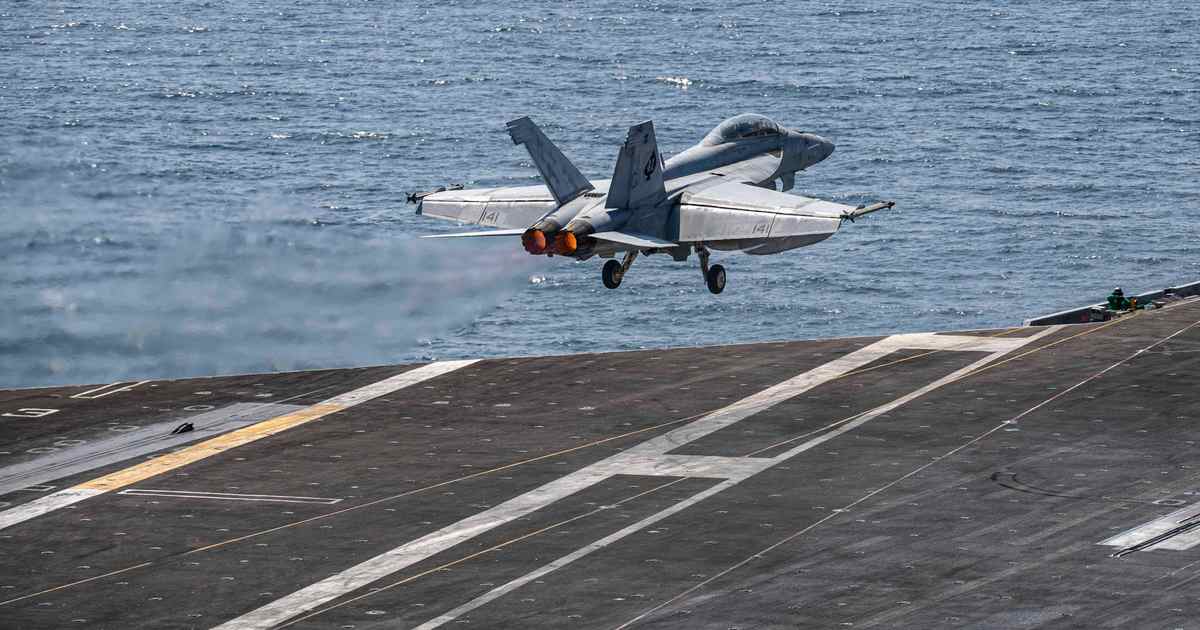
Two U.S. combat aircraft were downed over Iran during a single operation, leaving one F-15 crew member unaccounted for while rescue forces faced hostile fire during the recovery effort.
The incident unfolded when an F-15E was shot down over Iranian territory, and one crew member was pulled to safety after a risky recovery. The second crew member, a weapons systems officer, is still missing, and the situation remains fluid. U.S. aircraft engaged in the rescue were themselves hit, complicating the mission and raising serious concerns about escalation and rules of engagement.
Reports say the recovery included helicopters and close air support elements, and that one of the supporting aircraft, an A-10 Warthog, had to eject after taking hostile fire over the Persian Gulf. The helicopter that carried the rescued pilot sustained small arms fire, injuring crew members before it landed. All service members involved have received initial medical treatment and will be moved for further care.
A U.S. F-15E fighter jet was shot down over Iran on Friday, and one crew member from the plane was later rescued by American forces, U.S. officials confirmed to CBS News.
The F-15E is flown by a two-member crew, and the search for the second crew member, a weapons system officer, is continuing, two U.S. officials said.
The jet was shot down by Iranian forces, the officials said, and the combat rescue mission ensued shortly after. An A-10 Warthog was part of the search and rescue mission when it took fire and was damaged. The Warthog pilot ejected over the Persian Gulf and was successfully recovered, according to the officials.
Two helicopters also took part in the search and rescue mission and successfully retrieved the F-15E pilot who had ejected, officials said. The helicopter carrying the recovered pilot was hit by small arms fire, wounding crew members on board, according to the officials, who said the helicopter landed safely. All service members are receiving initial medical treatment and will be transported for further medical care.
The standing facts are stark: the downed fighter was an F-15E, its two-person crew was split between a rescued pilot and a missing weapons systems officer, and escort aircraft sustained enough damage to force ejection. These are not trivial details. They show both the risks our pilots accept and the boldness of the forces that engaged them.
USAF incidents reported amid operations linked to Iran:
– F-15E shot down over Iran; one crew member rescued, search ongoing for the second
– A-10 Warthog crashed after taking fire over the Persian Gulf; pilot rescued— Open Source Intel Tracker (@OSINT767) April 4, 2026
From a national security perspective, this is a moment for clarity, not calm vagueness. Americans deserve straight answers about how this happened, what intelligence was in place, and why U.S. aircrews were operating where they were exposed. Families of the missing and the injured deserve rapid communication and a plan that prioritizes getting personnel home.
The tactical picture matters: a combat rescue in hostile airspace is inherently dangerous, and it appears Iranian forces used surface-to-air systems or other capable means to bring the F-15 down. When rescue helicopters and close-air support are fired upon, the mission becomes exponentially harder and casualties become more likely. That reality should influence how commanders plan future operations and how political leaders set clear objectives.
On the diplomatic front, Tehran’s action — shooting at U.S. combat aircraft and damaging recovery assets — is a blatant escalation that cannot be treated as a minor border incident. If left unanswered, such acts encourage more aggression and put American lives at continual risk. A measured but decisive response must be considered to ensure deterrence holds and U.S. forces can operate safely.
Domestically, the chain of command must brief Congress and the public with timely, factual updates. Lawmakers of both parties have a role in oversight when Americans are hurt or missing. Republican lawmakers in particular will press for accountability and a defined strategy to prevent repeat incidents.
Operationally, commanders will review tactics, techniques, and procedures used in the mission and adjust force protection rules where necessary. That will include reassessing altitude, standoff ranges, escort posture, and contingency plans for recovery under fire. Training and readiness must match the risks our pilots face every day in volatile regions.
There are also broader implications for allies and partners watching how the U.S. responds. Demonstrating resolve helps shore up deterrence and reassures partners who depend on American security guarantees. Showing hesitation or confusion, by contrast, creates doubt about the reliability of U.S. commitments.
For now, the immediate priority remains finding the missing crew member and caring for those wounded during the mission. Every effort should be made to recover personnel as quickly and safely as possible while avoiding unnecessary additional risks. The nation should expect a full accounting and a clear plan for preventing similar losses.
The aircrews put themselves in harm’s way to protect American interests, and their courage underscores why clear policy and strong deterrence matter. This event will test leadership at multiple levels — military, diplomatic, and political — and it will shape how the U.S. manages tensions with Iran going forward. The coming days must bring transparency, capable action, and results.
The second pilot from the F-15 remains missing.