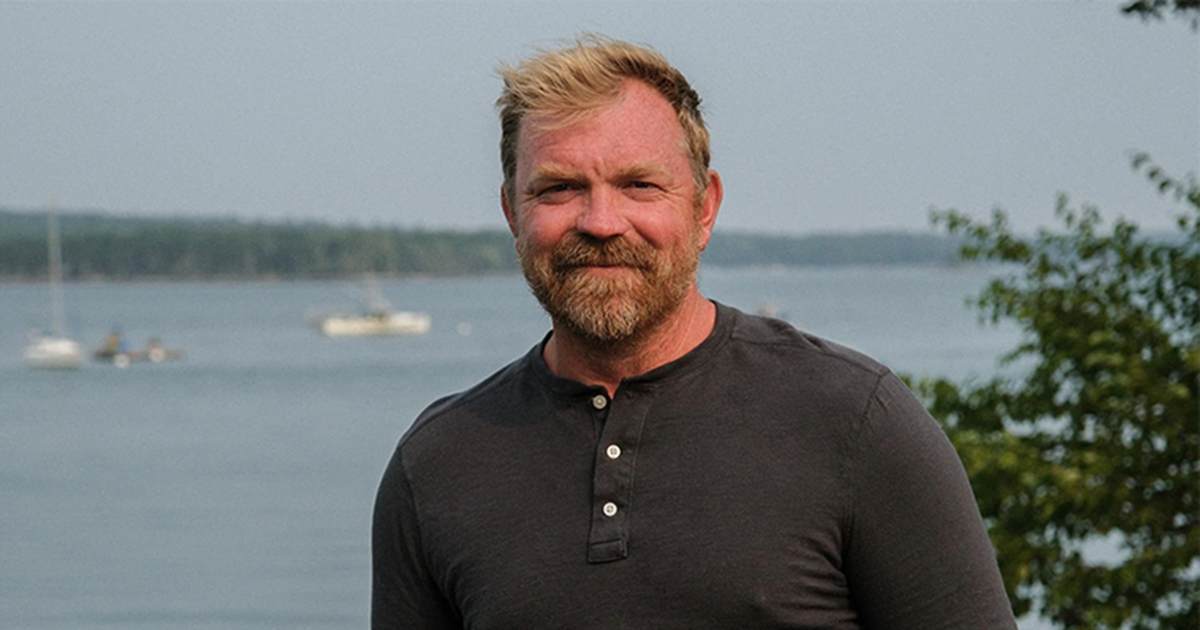
Maine’s Democratic Senate primary already feels decided as Graham Platner is behaving like the nominee, pivoting to the general election despite not being officially declared, and doing so while carrying a stack of controversies that his team and progressive backers seem willing to overlook.
Graham Platner is moving through the process like a man who thinks the primary is already his, and his campaign is telling donors the focus is shifting to beating the Republican in November. That posture comes amid a string of headline-grabbing problems: public criticism of rural voters, a stint training with an Antifa-like rifle club, and the revelation of Nazi tattoos he later apologized for and then retracted the apology over. For a candidate backed by national progressives, those are risky liabilities to carry into a statewide general election.
The Platner operation says recent surveys give them cover to change gears, and the campaign’s tone is confident. Internally they point to multiple polls showing him far ahead in the primary and argue that negative ads from his primary opponent aren’t moving voters. The posture makes sense for a campaign trying to consolidate money and media before turning to the bigger fight with the GOP.
Platner’s team told donors and allies that he is pivoting to focus more on the general election and polls show him leading Mills by double digits, according to a Thursday memo seen first by Axios.
“Another day, another poll with Graham up big in the primary,” wrote Platner campaign manager Ben Chin in the message. “We’re feeling emboldened.”
“While we aren’t taking our foot [off] the gas in the primary, we’re shifting gears and going full steam ahead into the general,” Chin added.
Zoom in: Platner, a 41-year-old oyster farmer and veteran backed by progressives like Sen. Bernie Sanders (I-Vt.), is running against Mills, 78, a two-term governor endorsed by Senate Minority Leader Chuck Schumer (D-N.Y.).
Facing an uphill battle, Mills has gone negative against Platner, airing ads that feature women criticizing controversial comments he made on social media about rape.
Between the lines: There’s an implicit message in the Platner campaign’s memo. In their view, Mills’ negative ads aren’t moving the dial.
Platner’s team doesn’t discuss the spots in its note. But since the polls they reference were conducted after the ads began airing three weeks ago, it’s clearly their intended takeaway.
The memo references three recent polls — a mix of public and private surveys — that show Platner ahead by 27 to 38 percentage points. One was paid for by his campaign.
Platner’s biography reads like a progressive favorite on paper: a 41-year-old oyster farmer and veteran with endorsements from figures on the party’s left flank. He’s running against Janet Mills, the two-term former governor who is 78 and carries establishment support. That contrast — energetic outsider versus seasoned statewide officeholder — is what has powered Platner’s early surge in friendly polls, even with the baggage he brings.
Democrat Graham Platner wants to impeach “at least two” Supreme Court Justices.
"But to make that happen, we need to elect people to the Senate that want to wield power like that, who understand that power matters."
Platner leads in the polls for the Senate seat in Maine. pic.twitter.com/eFM4co60js
— Western Lensman (@WesternLensman) April 6, 2026
Mills has responded the way incumbents often do when a lesser-known primary challenger gains traction: she’s gone negative and is airing ads that highlight his past social media comments about rape. The Platner team says those spots haven’t dented his numbers, and they point to surveys showing him ahead by wide margins. One of the polls cited was paid for by his own campaign, so skeptics on both sides will want to dig into methodology before accepting every percentage point at face value.
Beyond the mechanics of polling and ad buys, the optics are a problem for Democrats hoping to present a steady case to general election voters. Promising to impeach two Supreme Court justices is a bold, headline-hungry pledge that reads as a raw power play to many independent voters. Yes, that’s a definite throwback to the days of the Third Reich, and it’s exactly the kind of rhetoric that motivates conservatives and independents worried about unchecked partisan aggression.
Republicans watching Maine see a strategic opening if Platner becomes the nominee, because the combination of extreme rhetoric and public controversies gives the GOP a straightforward line of attack. Platner was positioned as the Left’s answer to populist energy, but that positioning also invites national attention and scrutiny. A nominee with admitted extremist imagery, a history of inflammatory commentary, and ties to militant training groups hands an opponent clear themes to use in November.
For voters who prize stability and common-sense governance, Platner’s rise raises uncomfortable questions about judgment and electability. The Platner campaign’s confidence rests on a string of favorable polls and progressive enthusiasm, but polls can change fast once a general election narrative sets in. If Democrats want to keep the seat, they must ask whether a nominee carrying this kind of controversy can hold a middle ground in a competitive statewide contest.