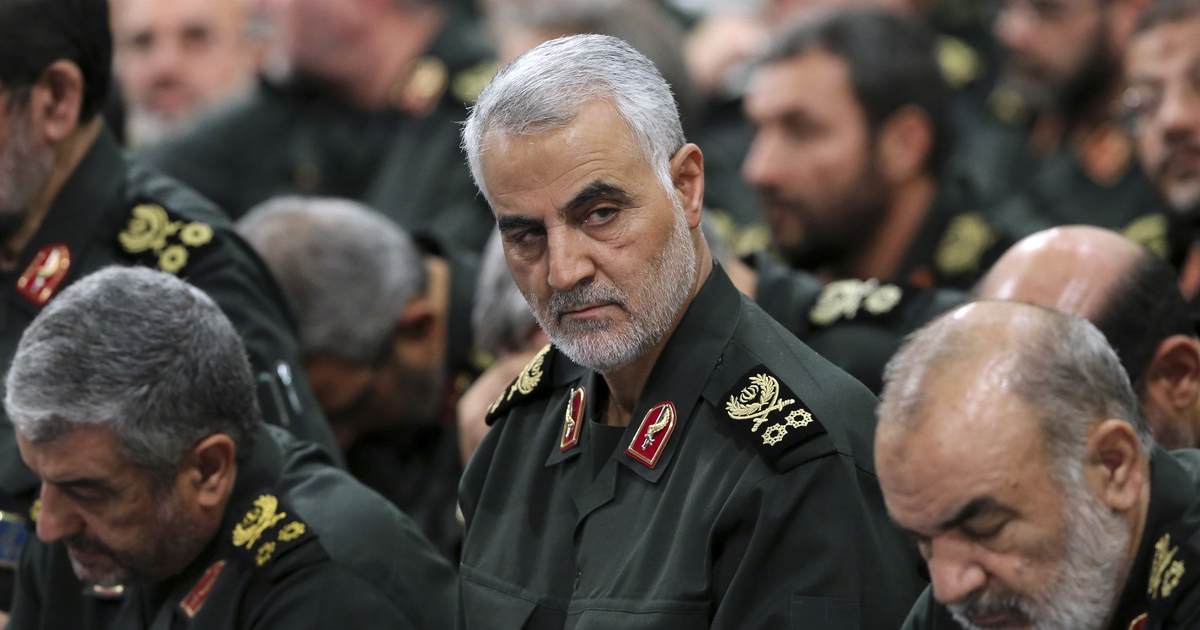
The niece of Iran’s late Gen. Qasem Soleimani, Hamideh Soleimani Afshar, was detained by ICE in Texas with her daughter on April 3 amid allegations they spread Iranian propaganda and celebrated attacks on U.S. bases, and reports say she called an ex-boyfriend begging for help to escape detention.
News that Hamideh Soleimani Afshar, identified as a relative of the Iranian general, is in U.S. custody will make the case for firm immigration enforcement clear to many. Federal authorities say she and her daughter were detained after behavior tied to spreading hostile messaging and praising assaults on American forces during Operation Epic Fury. The situation has drawn sharp attention to how foreign influence operations and hostile propaganda can intersect with immigration flows.
According to reporting, Afshar rang an ex-boyfriend, Maziar Aflaki, pleading for assistance to flee the Immigration and Customs Enforcement facility where she was held. Aflaki did not help and reportedly rejected her plea outright. “I don’t want anything to do with her,” he said. “She scares me. I was so afraid of her. She knows how to make herself seem like an angel, and you feel like the devil. I wanted someone to take her away – now it’s happened.”
That rejection from a former partner underlines two points: these cases can involve complicated personal ties, and people connected to hostile actors are not always shielded by relationships here. Officials allege Afshar and her daughter, Sarinasadat Hosseiny, used American freedoms in ways they say would not be tolerated in Iran. The reports emphasize the contrast between liberty enjoyed in the U.S. and the repression many endure under the clerical regime in Tehran.
U.S. authorities framed the arrests around national security concerns, pointing to propaganda and celebrations of attacks on U.S. bases as serious red flags. From a conservative perspective, enforcing immigration law is not just about borders but protecting Americans from influence operations and violent extremism. When foreign actors try to use free societies as platforms for hostile activity, those activities must be checked by law enforcement and immigration officials.
🚨 HOLY CRAP! The niece of slain Iranian Gen. Soleimani just begged her ex-boyfriend to help her "ESCAPE" the ICE facility in Texas
But the ex FIRED BACK: "I don't want ANYTHING to do with her. She scares me!" 🤣
Couldn't happen to a nicer IRGC apologist!
She's going to be… pic.twitter.com/pEfcP4NbYJ
— Eric Daugherty (@EricLDaugh) April 8, 2026
The timing and profile of the detainee raise sensitive security questions. Qasem Soleimani was a major figure tied to Iranian extraterritorial operations, and family connections will naturally draw scrutiny. That reality feeds public anxiety about whether foreign networks can leverage family ties and social status to shield bad actors inside the United States.
Beyond legal enforcement, there’s a political argument here about vetting and priorities. Conservatives argue the system should be tougher on anyone who promotes violence or cheers attacks on Americans, regardless of lineage. Strong borders and robust vetting stop bad actors before they can organize or inspire harm on U.S. soil, and cases like this underscore that point.
Reports also noted the pair allegedly enjoyed lifestyles in the U.S. that stand in stark contrast to restrictions inside Iran, which reinforces the perception of hypocrisy. That image—benefiting from freedoms at home while endorsing violence abroad—strikes many as intolerable. It’s a reminder that liberty carries responsibility, and those who exploit it to support hostile agendas must face consequences.
ICE detention and potential immigration proceedings will determine next steps for Afshar and her daughter, with security officials likely to press any evidence tying them to propaganda operations. Republicans pushing for tougher immigration controls will use the example to argue for more resources for ICE and for stricter standards around entry and asylum claims. The public debate will hinge on balancing civil liberties with national security concerns, and on whether current screening and enforcement tools are sufficient.
This episode is a test of how law enforcement and immigration systems handle politically charged detainees with foreign ties. If officials demonstrate transparency and follow the law, it will reinforce trust in the process; if not, partisan arguments will only intensify. Either way, the mix of family ties to a notorious figure, alleged propaganda activity, and calls for help from inside detention has already become a flashpoint in the broader immigration and security conversation.