Graham Platner’s campaign is stumbling over a string of revelations — a contested tattoo, online posts, militia ties and a shifting explanation that keeps raising fresh questions about his fitness for higher office.
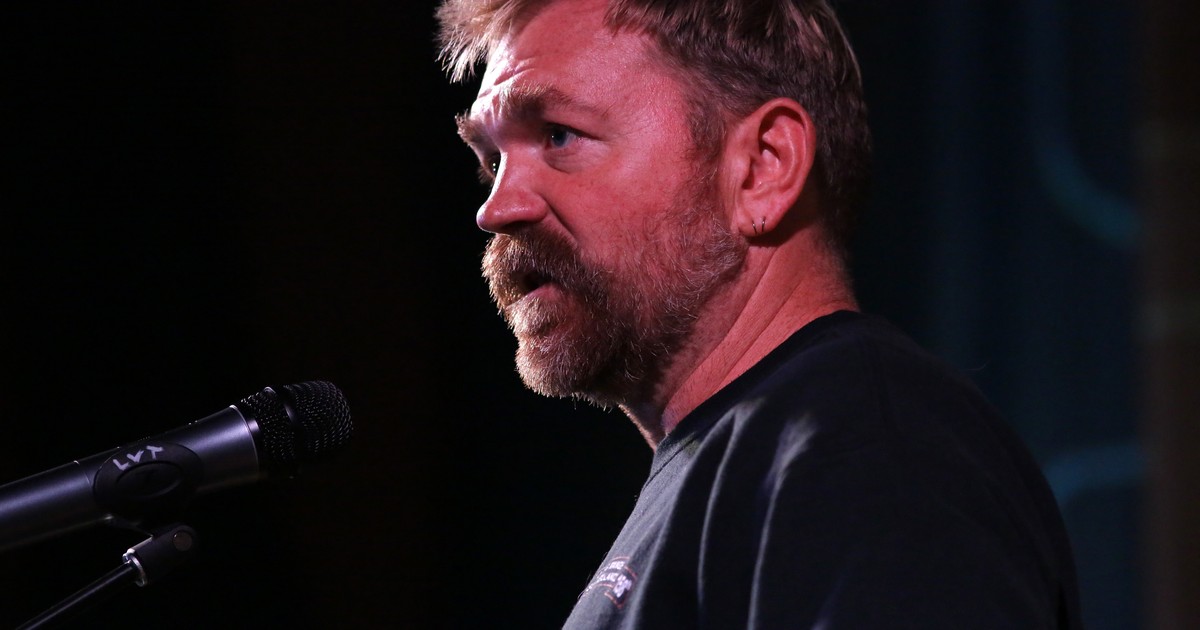
Graham Platner’s rise in Maine politics has been noisy and messy, and Republicans and independents are watching the fallout with interest. The oyster farmer-turned-candidate has become a focal point for debate after disclosures about a Nazi-themed tattoo and past associations that contradict the image his campaign wants to sell. Those details have forced Democrats into a difficult choice: defend a surging outsider or cut him loose before the general election. The controversy is reshaping the race and breathing new life into Susan Collins’s likely re-election path.
Reports show Platner trained with a group described as similar to Antifa, posted troubling comments on Reddit, and later altered his public stance on those incidents. He apologized for the tattoo, then had it modified, then walked back the apology, creating a loop of explanations that leave voters confused. His campaign has tried to frame some of those actions as products of military service and trauma, but the flip-flopping fuels skepticism. For many voters, elected officials simply should not carry symbols tied to extremist ideologies.
Platner has leaned on his combat record as a key part of his narrative, describing hard years in the infantry and the culture that shaped him. That defense is part explanation, part plea for understanding, and part political strategy to blunt criticism. Such appeals can resonate when paired with accountability, but they can also ring hollow if the candidate appears evasive about core questions. The choice to emphasize service while downplaying troubling behavior creates a tension Democrats now struggle to manage.
SICK!
Maine Democrat Senate Candidate Graham Platner continues to defend things like his Nazi tattoo and posts where he says women should "act like an adult" to avoid rape.
CBS: Is there anything you’ve done or said that you regret?
PLATNER: “We have a crude sense of humor.” pic.twitter.com/PMDVf3PGyg
— RNC Research (@RNCResearch) April 10, 2026
Platner’s team is already shifting focus toward the general election, and Governor Janet Mills remains the party’s standard-bearer in the immediate primary fight. Yet senior Democrats in Washington, including Senate leadership, reportedly view Platner as a risky pick for the fall. That hesitation has left Mills in a bind: attack a primary opponent who polls well or preserve party unity against a likely Republican incumbent. The internal friction has become as consequential as the original controversies themselves.
When outside groups hesitate to commit resources, campaigns can stall, and that’s the predicament here. Without substantial help, Mills has run targeted ad buys aimed at reminding voters of Platner’s past online comments and other baggage. Those ads dug up deleted Reddit posts and other material that raised fresh questions about judgment and character. Even so, recent polling continues to show Platner with momentum, which only deepens the party’s strategic headache.
When I left the military, I came out of a hyper-masculine, hyper-violent place. I did four tours in the infantry. We have a crude sense of humor in the infantry. We certainly have a, I would say, narrow view of a lot of topics, and that colored my opinions and my beliefs.
Schumer and other national Democrats are reportedly wary of Platner’s electability against Susan Collins, a point that colors how much help they will extend. Operatives worry that a primary victory by Platner could hand the fall campaign to the incumbent in a way that damages broader party expectations. That calculation matters in tightly contested Senate maps where resources are finite and losses are costly. The result is a cautious approach from the party’s center that frustrates local allies.
Mills has lagged behind her upstart liberal rival, Graham Platner, 41, in the polls since Schumer urged her to enter the race last fall. As Platner surged, Mills launched a raft of negative ads against him last month that were widely seen as her best shot at regaining a foothold in the race.
But the ads — which resurfaced Platner’s deleted Reddit comments that were dismissive of sexual assault — have not appeared to help her in recent polls, which still show her lagging far behind Platner. That leaves Schumer and Democratic groups facing a key decision: Will they aid Mills as she tries to tear down Platner ahead of the June primary, or leave her to make her case on her own, given that his lead may be insurmountable?
So far, no outside Democratic groups have come to her aid in the state on the airwaves, leaving her to run her relatively modest ad campaign against Platner on her own.
[…]
The lack of outside help for Mills has left some Democrats in Maine with the impression that Schumer and other powerful Democrats are leaving her to twist in the wind as she fails to make up ground in the polls. With Platner ads airing regularly on television, Mills supporters have begun complaining to Democrats close to the governor about the lack of a response, with some wondering why Schumer recruited the governor to run if no help would be provided when she did.
[…]
Operatives close to Schumer have told people in recent months that they believe Platner can’t defeat Collins in a general election, and remain wary of the plethora of deleted internet comments that include insulting police and rural Mainers, insensitive comments about Black people not tipping and more. Platner, a combat veteran, has disavowed many of the comments, saying he was suffering from untreated PTSD when he made them.
“Governor Mills is the strongest candidate to take on Susan Collins, who is increasingly vulnerable and faces record low approval ratings,” said a spokesperson for the Senate Democrats’ campaign arm.
For Republicans and independent voters tired of political theater, the episode is a rare gift: a general election opponent who looks beatable and an opposition party unsure how to handle its own problem. The hope among conservatives is that the turmoil keeps Platner off balance and gives Collins an edge heading into November. The optics of a candidate repeatedly explaining extremist imagery and old online posts are hard to spin into stability.
At this stage the race is still fluid, but the consequences are clear: Democrats must decide whether to double down on a candidate whose controversies could cost them a Senate seat. That decision will reverberate beyond Maine, as national strategists weigh risk, optics and electability in an environment where a single Senate pickup can shift leverage in Washington. Meanwhile, Ms. Collins appears to be watching from a position of growing comfort as the opposition sorts itself out.